
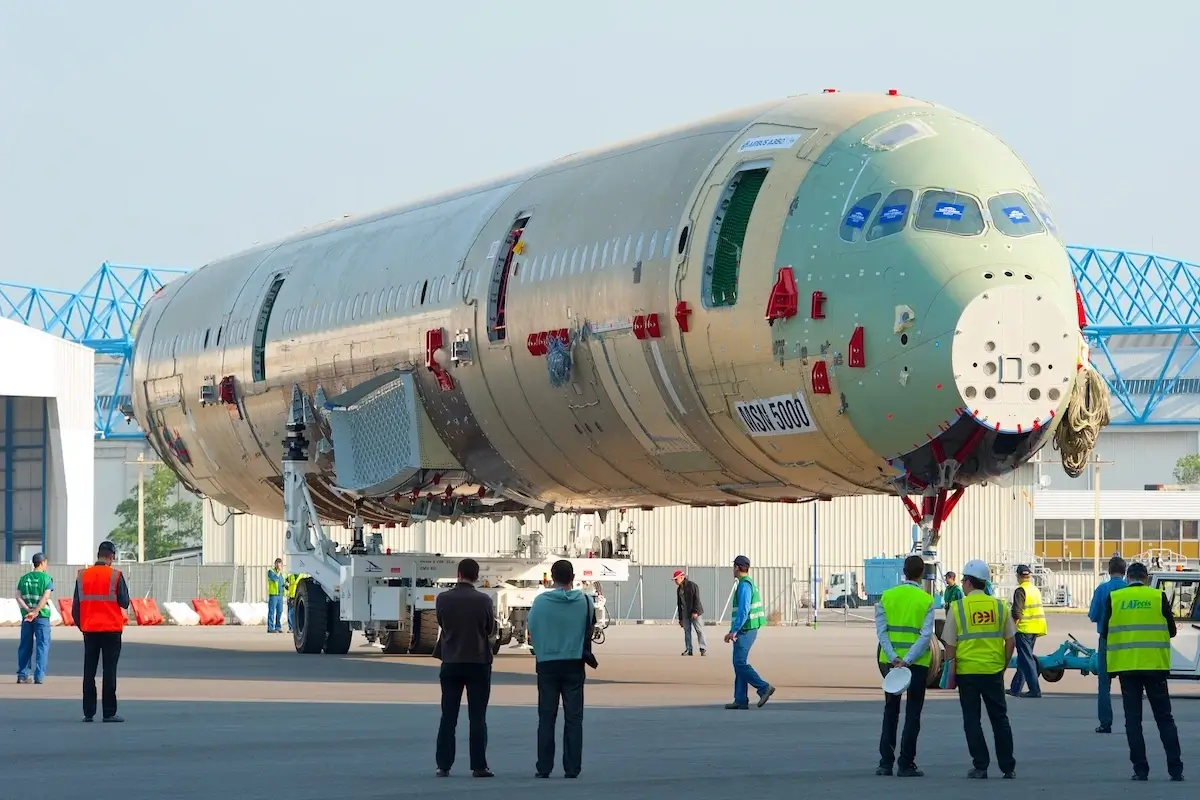
Airbus will face an increasingly challenging task in meeting its 2025 delivery targets following its performance in June.
According to Bloomberg sources, Airbus managed to deliver approximately 60 aircraft in June.
While on the surface, 60 jets represent two deliveries on average every day of the calendar month, it is far short of what is required.
Airbus would’ve needed to deliver many more than 60 planes to keep up the pace required to reach its annual delivery target, published at the beginning of the year.
The planemaker is targeting 820 aircraft deliveries for its commercial aeroplanes division, which represents a rise in its target from 2024 and every year prior.
However, for Airbus, each year when unveiling its delivery target, the figure has often been met with scepticism from onlookers who doubt the planemaker’s ability to reach this target.
The scepticism is spurred on by Airbus’ track record, which, following the pandemic, has not seen it hit its initial delivery goal for the year, and is often forced to revise the figure only to miss that revision as well.
Therefore, pushing for 820 deliveries in 2025 was met with external scepticism, and now the manufacturer will need a significant push to meet this target.
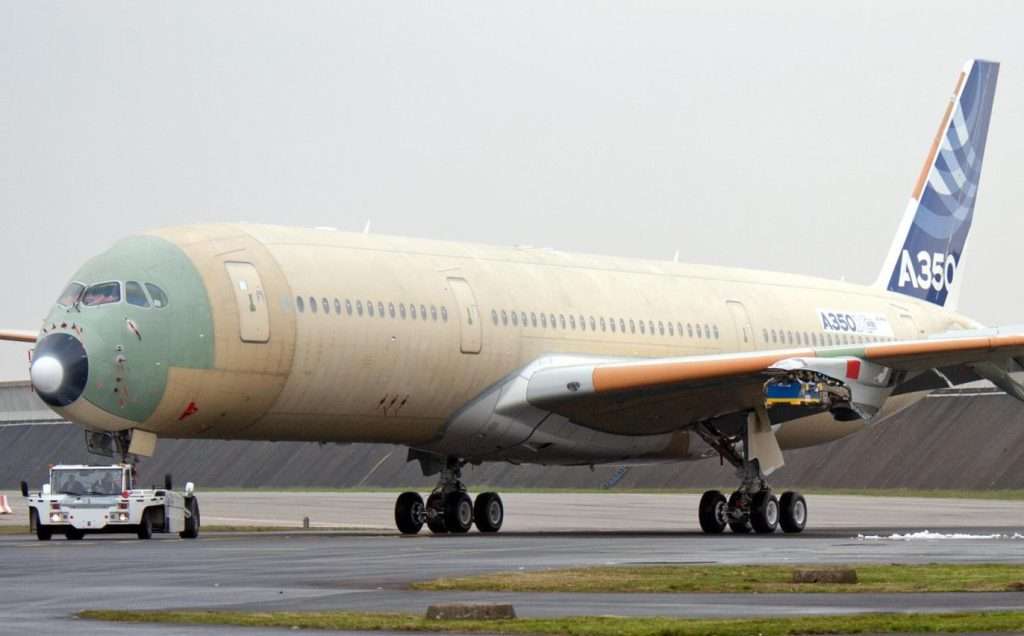
If the latest June figures indeed are accurate, the total yearly deliveries will have just pushed past 300 for half the year, meaning some 520 planes will need to be delivered across the final six months of the year.
Additionally, to meet this figure on track, Airbus would have needed to deliver an extra 100 planes across the first six months of the year; however, it is currently behind schedule in this regard.
While the end of the calendar year typically represents some of the busiest months for planemakers, mainly Airbus, it will be an almighty challenge to hit the desired annual figure.
Despite this, Airbus has yet to amend its targets for the year formally. Typically, it makes these changes earlier in the year if required, but it has instead adhered to the original target.
Why Airbus Continues To Fall Short
For Airbus, falling short of delivery targets is nothing new, but as the months progress, it becomes increasingly challenging to overcome.
2025 was earmarked as another year of industry recovery, and while steps have been taken, many areas of the business remain under pressure.
However, notable struggles have existed, many of which stem from supply chains that continue to face constraints, resulting in delayed delivery of new aircraft.
With timelines thrown out the window, Airbus has been unable to meet delivery targets with its airline customers across all its aircraft families, resulting in its reported figures falling below what it had previously forecast and what is required to meet annual targets.
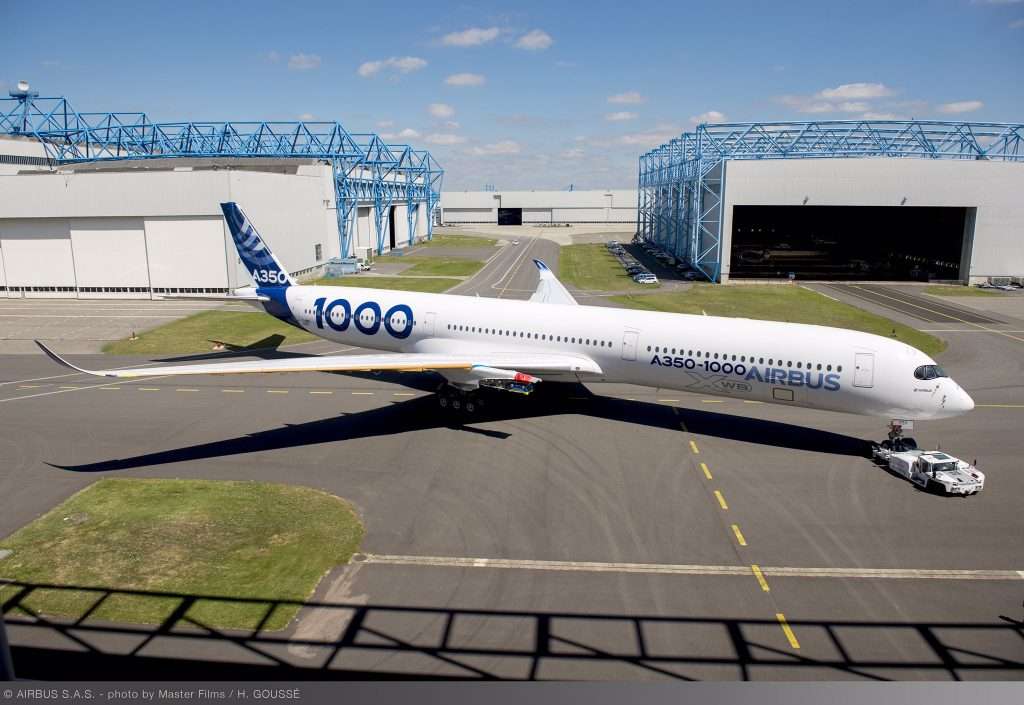
Away from key production practices, elements such as engines have caused problems, with these manufacturers facing their challenges, meaning Airbus also faces delays.
These problems are just some of the many issues affecting other aspects, such as seats and fuselage parts, all of which impact the business. In some instances, planes may be almost ready for delivery, but one missing part throws everything off.
With this in mind, airlines are already aware that they’ll experience month-long delays to their acquisition efforts, and strategies must be developed to mitigate the impact.

ABOUT THE AUTHOR
Daniel Fowkes is a Melbourne-based aviation analyst and journalist with over a decade of industry experience. As founder of Dj’s Aviation, he delivers trusted analysis on aircraft, airline strategy and global aviation trends for djsaviation.net
Related Articles




Stay Informed
Get the latest aviation news, analysis and route updates delivered to your inbox.
We respect your privacy. Unsubscribe at any time.
Enjoyed this story?
Make us your go-to for aviation news
Add us as a preferred source on Google and see our latest stories first in Top Stories.
Add Us On Your News Feed