

In September, Airbus marked yet another end of an era with the retirement of an additional BelugaST.
The retirement marking now is a countdown for remaining units to experience the same fate as the manufacturer moves away from flying the type.
F-GSTD made its final farewell flight on September 17, 2025, before entering storage, where it has now been retired. This is the third of five A300-600STs, as they are known, that have been retired.
These aircraft, known for their distinctive design, served as an integral part of Airbus’ commercial aircraft production systems. Based on the A300, they were developed in the 1990s and have thus flown for nearly three decades.
On a day-to-day basis, these BelugaST jets were flying around Europe, often carrying sections of commercial aircraft that the planemaker needed transported to a specific facility for production, ranging from wings to fuselage pieces.
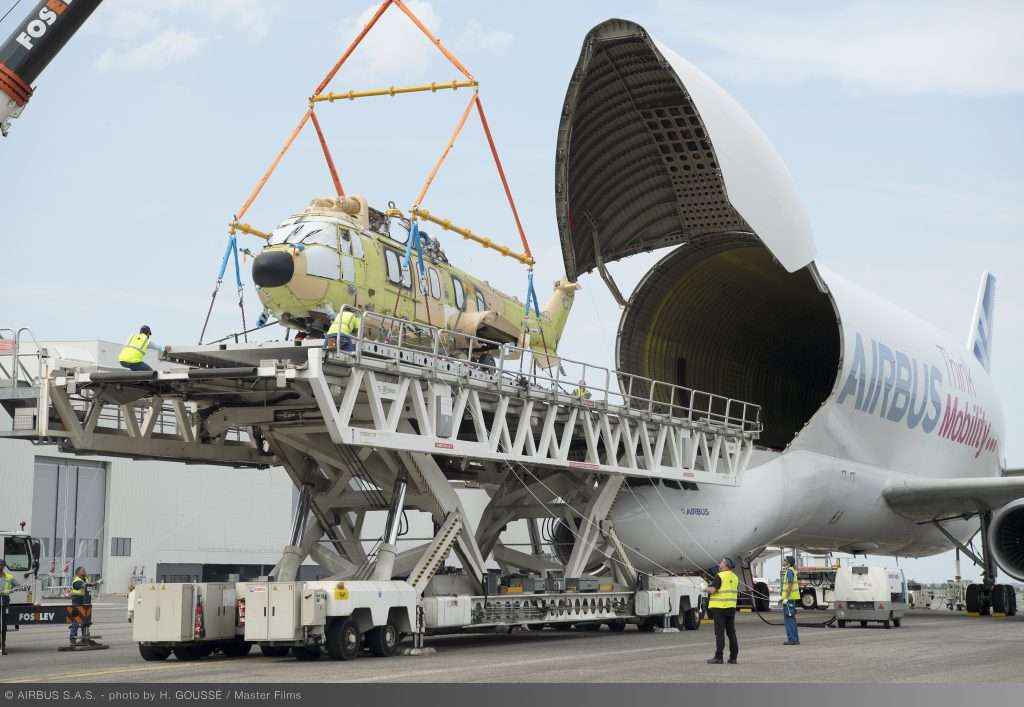
F-GSTD joins the fate of other retired BelugaST aircraft as Airbus continues to retire the aircraft type after decades of service. Now, as 2025 comes to a close, only a handful remain.
A Failed Airbus Beluga Airline
At one point, it seemed the BelugaST would stick around for the foreseeable future, thanks to a landmark announcement by the planemaker only a handful of years earlier.
That announcement involved Airbus Beluga Transport securing its Air Operator Certificate in January 2024, allowing for the launch of its own large, outsized air cargo airline, and, while still requiring final approval at the time, the launch was intended to keep the older Beluga jets in service longer.
Launching on familiar routes across Europe, where the business was already seeing these jets, was part of the plan, but over time, it saw a market where the Beluga could fly around the world.

Under the plan, Airbus wanted the five Belugas to fly around the world on various missions, based on the belief that the services would be required, stemming from requests in early 2022.
Three years ago, the planemaker was receiving many requests from charter brokers and freight forwarders for the transport of oversized cargo worldwide.
Airbus knew, however, that the Beluga fleet was built for use across the European network, with sectors’ maximum operating time reaching 4 hours.
However, if AiBT focused on more long-haul missions as well, several legs would be required for what would be a routine flight for a passenger aircraft.
If Airbus were to fly a BelugaST to Singapore, it would require multiple stopovers and, given other challenges, there were some visible concerns about the project’s prospects.
A Shutdown Arrives
Unfortunately, at the beginning of 2025, Airbus confirmed that it would shut down its ABT operations less than two years after launching he division.
The planemaker confirmed in a statement that it remains committed to helping the employees affected by the move, and that this would now also mean the BelugaSTs would be retired sooner rather than later.
Ultimately, with the next-generation BelugaXL on the way, this was hardly surprising, given the manufacturer’s drive to increase efficiency, and with no purpose for the BelugaST, a retirement was initiated.

Despite an upcoming retirement, the BelugaST has still been serving a purpose on the airlines’ network across 2025, the head of Airbus Transport International saying that the jet has been continuing to fly but only on very light missions and primarily for the transport of A400M sections, per rynek-lootniczy’s interview.

ABOUT THE AUTHOR
Daniel Fowkes is a Melbourne-based aviation analyst and journalist with over a decade of industry experience. As founder of Dj’s Aviation, he delivers trusted analysis on aircraft, airline strategy and global aviation trends for djsaviation.net
Related Articles




Stay Informed
Get the latest aviation news, analysis and route updates delivered to your inbox.
We respect your privacy. Unsubscribe at any time.
Enjoyed this story?
Make us your go-to for aviation news
Add us as a preferred source on Google and see our latest stories first in Top Stories.
Add Us On Your News Feed