
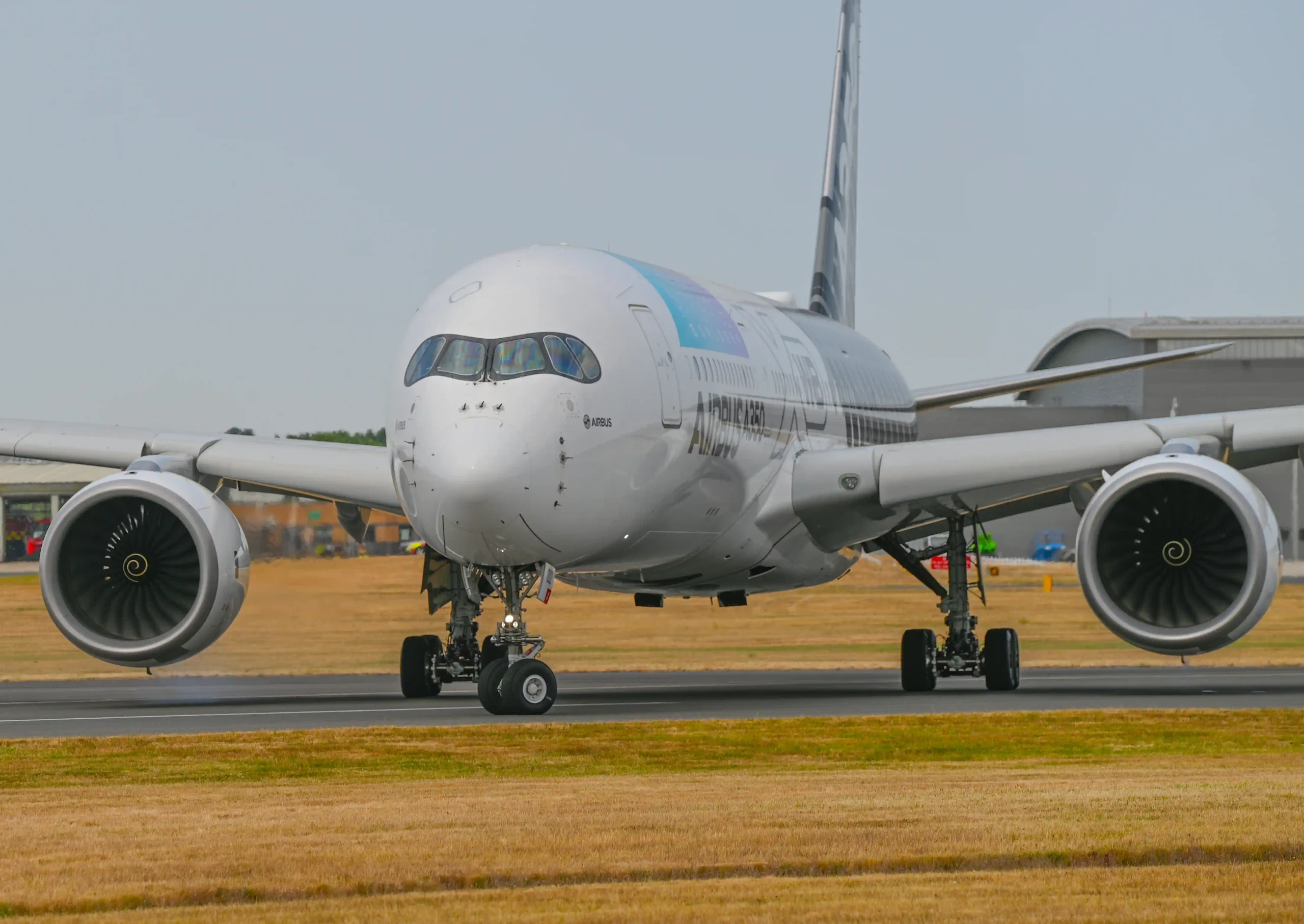
Airbus A350 orders are at risk as Air Mauritius reassesses three units still on order and proposes narrowbody jets.
With as many as five narrowbodies under consideration in new proposals, the airline has formally put the previously planned widebody expansion under review, with every chance these remaining orders are axed.
As operating costs soar, Air Mauritius, which has been financially delicate for an extended period, needs to shift its priorities to build a network around profitability, not just size, which the A350-900 offers, but not the two together.
Seabury Aviation Partners has driven the business’s reconsideration after the Future Fit Game Changer programme launched, following the consultancy partner’s decade-long assessment of the network and the many missteps that brought the business to the brink of collapse.
Airbus A350 orders being reconsidered
Air Mauritius ordered three additional A350-900s in June 2023; that order came when it planned to expand into Europe and South Asia using the widebodies, bringing the fleet from four to seven; however, those plans quickly unraveled.
While the aircraft were purchased to improve the fleet, today’s assessment focuses on building the network on a much different basis, with expansion no longer the sole priority, but rather a shift in how operations are conducted.
As part of its assessments, Air Mauritius has brought in external consultants, and the findings are expected to move forward cleanly after a major network review that determines which routes can be profitable and, as such, build around them.
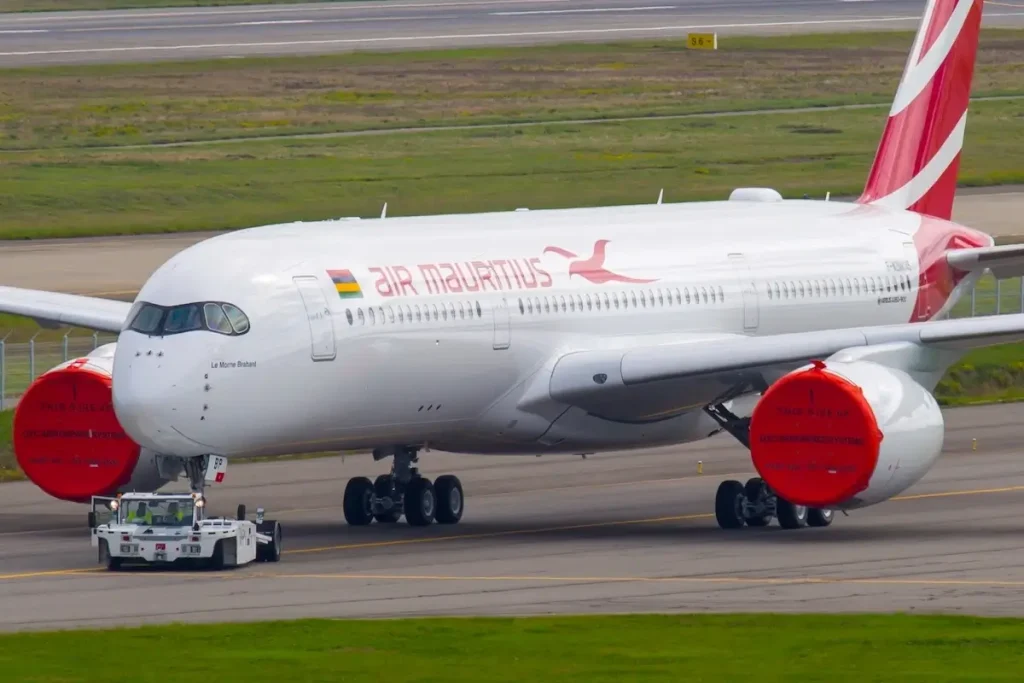
The recommendations have been from Seabury to introduce narrowbodies into the business and reassess remaining commitments held to the Airbus A350-900, for which there are there. That means the fleet size and aircraft deployment come into question, with a shift to profitable, sustainable routes and markets.
A pursuit of five narrowbody jets means that there’s a reconsideration of widebody flying and how this would truly fit within the new network, with examinations as part of the proposals into what type of smaller aircraft could fit on the routes that are still being profitable, to avoid having to take on further A350s that may compound problems.
Air Mauritius would need to move quickly, with previous contracts indicating deliveries would start as early as December this year for another A350-900, with the last two models at the beginning and end of 2028. The status of these deliveries remains unclear, but because the jets are under review, a deferral is likely in the interim.
Smaller aircraft could be the way forward
Air Mauritius’ headline, beyond reconsidering the remaining A350-900 orders, is a shift toward narrowbody jets and a request for proposals for up to five of these aircraft. The airline’s chief executive previously noted that Airbus and Boeing had options of interest.
Nothing has been committed to by the airline; however, the A321LR and 737 MAX type jets have been floated as possible options as routes are studied, whether close to home or long-haul, to determine what mix can be achieved that is sustainable on the business and how the Airbus A330 fleet would support the smaller narrowbodies.
As part of the RFP, what will be established is what type of deal can be put forward to the airline with up to five aircraft and, given the lengthy wait times for new single-aisle aircraft, where the business can be fit into the production line, or with a lessor and/or second-hand market if it needs jets sooner rather than later.

Whether it’s removing the A350-900 backlog, reshaping A330 operations, or something else, the airline has to understand how narrowbodies would ultimately reshape the network in terms of frequency and routes, and how they’re served.
While the A350-900 order backlog is at risk for now, the future assessment, including narrowbodies in the fleet mix, doesn’t put the four already-operational units in jeopardy. The reported fleet today includes those A350-900s and A330 family jets, including the A330neo.
Cancellation of the three units isn’t confirmed either, but the risk is present as assessments look to determine what the best fleet makeup will be in the future and with consultants believing narrowbodies need to be added in favour of larger widebodies, it menans those A350-900s may not have a place with the airline in the coming years.

ABOUT THE AUTHOR
Daniel Fowkes is a Melbourne-based aviation analyst and journalist with over a decade of industry experience. As founder of Dj’s Aviation, he delivers trusted analysis on aircraft, airline strategy and global aviation trends for djsaviation.net
Related Articles



Stay Informed
Get the latest aviation news, analysis and route updates delivered to your inbox.
We respect your privacy. Unsubscribe at any time.
Enjoyed this story?
Make us your go-to for aviation news
Add us as a preferred source on Google and see our latest stories first in Top Stories.
Add Us On Your News Feed