
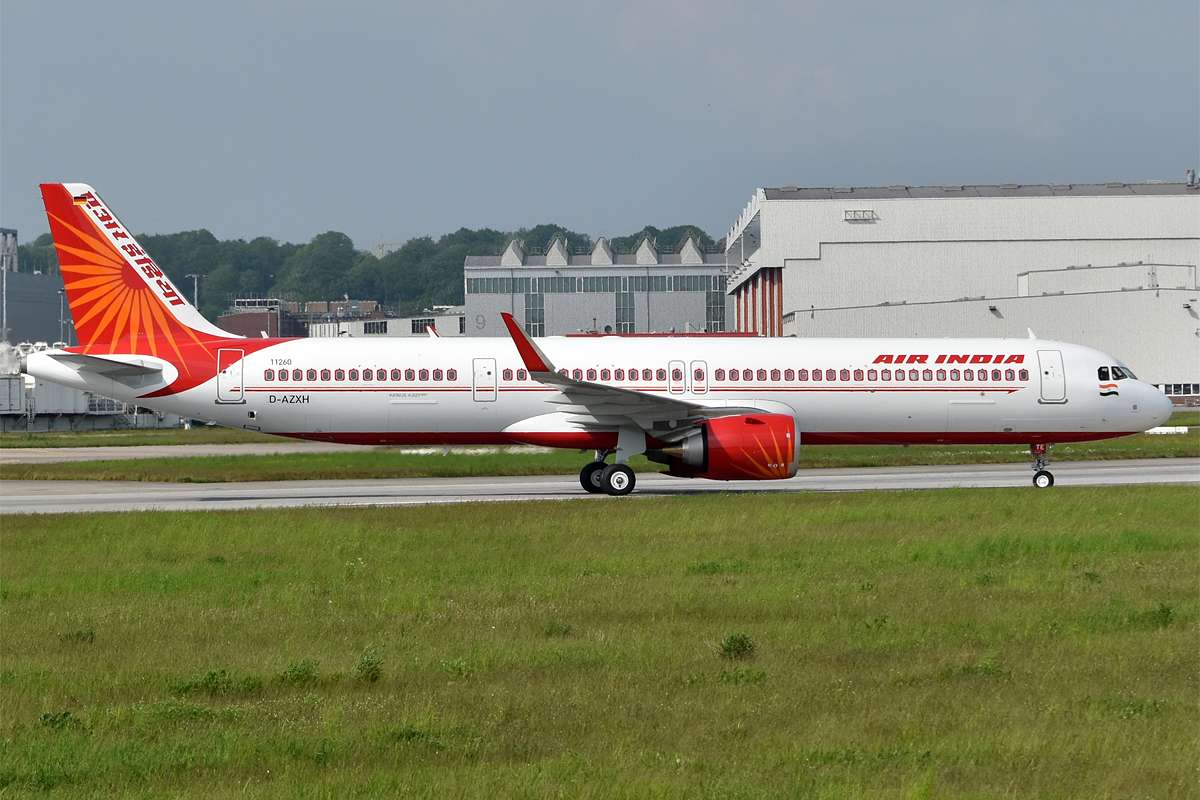
Air India and IndiGo have made the harsh, but necessary decision to cut domestic flying from June into the peak Northern Summer 2026 schedule.
The reduction is not just based on one lone factor, poor route perfromance but is rather an array of problems that need addressing for any chance of stability to be achieved.
What Air India & IndiGo Are Changing
The biggest adjustments being seen are at Air India and, as no surprise, follow a series of heated flight cancellations domestically and internationally, which were announced in recent months to address concerns.
Under the latest guidance, flagged by the New Indian Express, the flag-carrier will reduce its domestic flying by up to 20% across June and July; the percentage will vary, peaking above 20% but also dropping to 15%; this is still by no means a minimal cut.
The aggressive trimming is then complemented by its competitor IndiGo, which will also shave capacity by 5% to 7%, averaging out to closer to 10% when looking at the quarter holistically.
On IndiGo’s side, the reductions aren’t as sharp, but the impact is still there. These two airlines account for nearly all domestic flying visible across India; the flag carriers, however, bite the bullet on trunk routes, offering fewer daily options.
Air India is looking to cut more of its trunk-city flying, including Hyderabad, Kolkata, and Ahmedabad. IndiGo’s, for the moment, are sparser in nature and more widely spread. Even with the adjustment, the impact is still felt.
But Why Are The Cuts Happening?
For these two Indian carriers, there are many indirect reasons behind the decision to cut, not all overlapping; however, the fuel crisis, which emerged in late February 2026 and has since been a persistent threat, is the overarching and headline-catalyzing factor.
The sharp rise following the nearby conflict has seen fuel prices climb considerably, and fuel now accounts for much closer to half of an airline’s operating costs compared to a smaller % some time back. As a result, airlines are scrambling to cope and find ways to absorb costs that are next to impossible to handle.
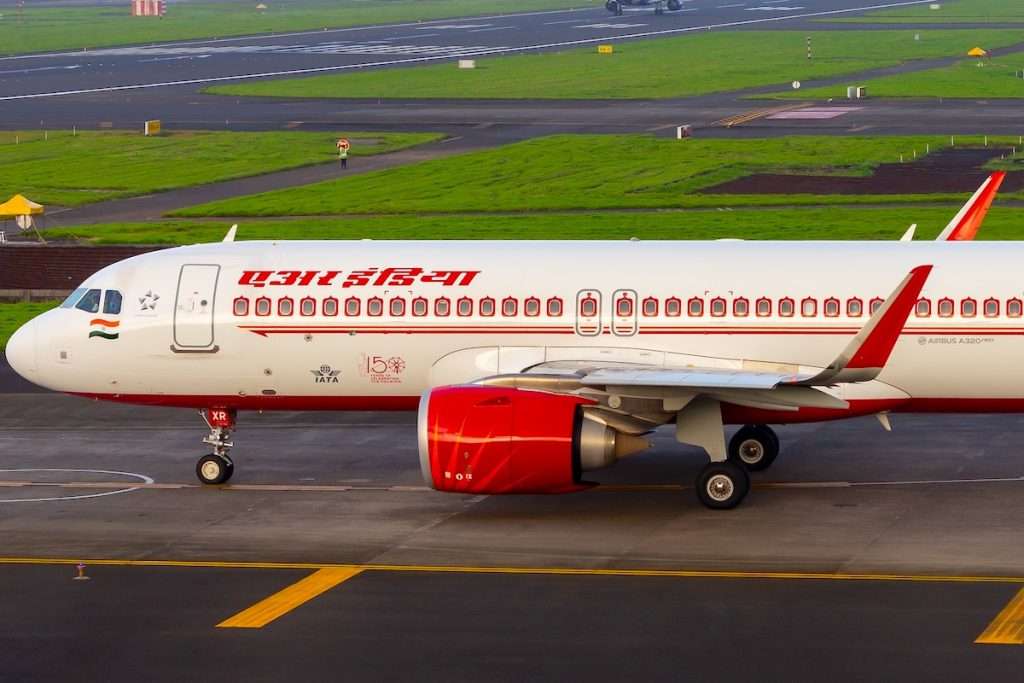
While the fuel shock hasn’t been ongoing for years, the multi-month conflict hasn’t let up or eased pressure on the airlines that call India home, and as a result, they must now make harsh decisions to cope with the additional costs.
Seasonal decisions are also part of the move; the airlines are adjusting their schedules once they see the school holidays peak end. This means that trimming capacity at this point to align with cost pressures is preferable to cutting during peak demand periods.
The burden on Air India is also greater; this is a long-standing problem in which losses and poor management decisions have plunged the business into a rebuild. With a reported loss of nearly $3 billion over the last year, network cuts are neccesary to stop the drag on margins and expenses from skyrocketing.

ABOUT THE AUTHOR
Daniel Fowkes is a Melbourne-based aviation analyst and journalist with over a decade of industry experience. As founder of Dj’s Aviation, he delivers trusted analysis on aircraft, airline strategy and global aviation trends for djsaviation.net
Related Articles




Stay Informed
Get the latest aviation news, analysis and route updates delivered to your inbox.
We respect your privacy. Unsubscribe at any time.
Enjoyed this story?
Make us your go-to for aviation news
Add us as a preferred source on Google and see our latest stories first in Top Stories.
Add Us On Your News Feed