

Air Canada has reported its third-quarter results and highlighted the impact of the operational halt in August on finances and other related figures.
The Canadian flag carrier saw a profit of $264 million during the third quarter, which was down from $2 billion for the same period one year prior. Meanwhile, operating revenues also dropped 5% from $6.1 billion in 2024 to $5.77 billion during Q3 of 2025.
While the operational shutdown was a key catalyst for the poorer-than-forecast results, the airliner also pointed to lower demand for travel to the United States as another reason.
Throughout 2025, Air Canada has noticed a drop in interest in travel to the United States, with backlash spurred by the more complex political climate between the two countries at this stage.
As a result, Air Canada in 2026 is attempting to diversify its operations and find more markets to serve, and to stop relying so heavily on Transborder connectivity when demand fluctuates widely due to the economic situation.
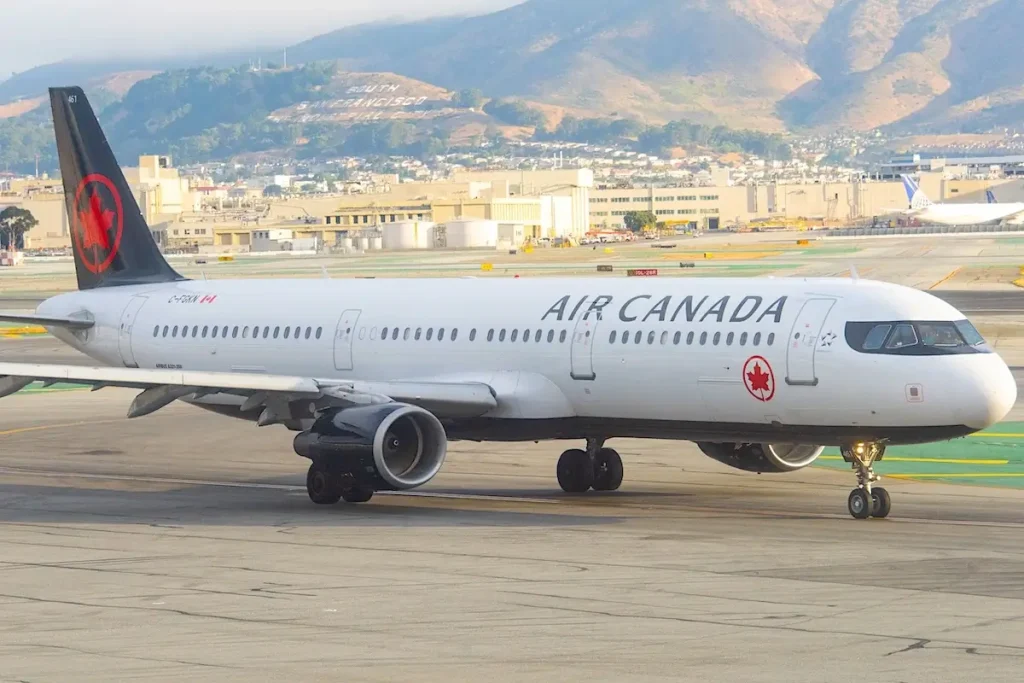
However, Air Canada also took the opportunity in its quarterly earnings call to look beyond route developments and said its overall costs are going to increase, especially on the labour front.
With contract rectifications, as seen with Lufthansa, which has also battled strike action this decade, costs sharply increase, leaving airlines to juggle them while still turning a profit.
The Disrupted August At Air Canada
Much of Air Canada’s tough three months followed the mid-August shutdown of the airline’s operation, initiated thanks to a strike by over 10,000 flight attendants represented by the Canadian Union of Public Employees (CUPE)
The action followed a statutory 72-hour or three-day strike notice issued by the Canadian Union on August 13. Immediately, the strike led to a reduction in airlines’ flying, with 700 daily flights slashed, causing mass disruption around the world.
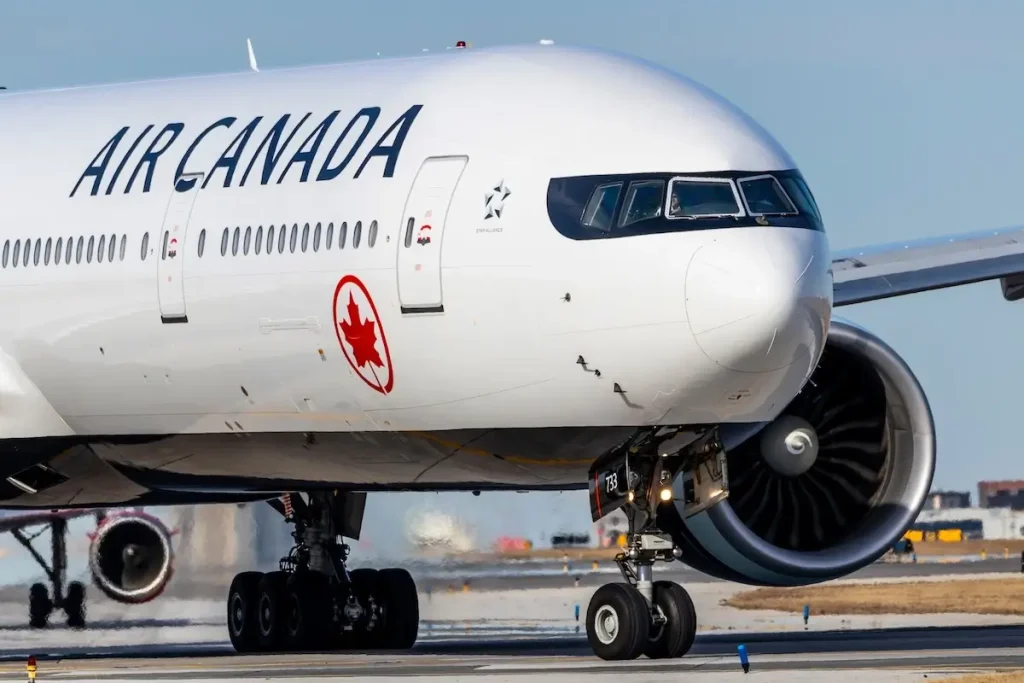
Every day, the Canadian flag-carrier said that over 130,000 customers were being impacted by the strike action, and the knock-on effects were evident across partner airlines and future bookings.
The reason for the strike, like many other airlines in recent years, was relatively low wages that have not kept pace with the cost of living. Additionally, there was a focus on unpaid work, pensions, working conditions, and more.
A strike came, following previous rejections of contract proposals put forward by Air Canada. This all led to further frustrations and a vote by employees, with a pretty unanimous 99% of flight attendants voting to walk off the job and highlight just how dissatisfied they are.
The hope, as with all walkouts, is that it forces the parties to come to the table and address demands. In this case, the effect is enormous and indeed reflected in its third-quarter perfromance, which would’ve been far healthier had the walkout not taken place.

Walkouts also pose risks for employees, but they’ll often feel supported by unions to conduct them, with the damage to the airlines’ bottom line worsening by the hour and necessitating more positive dialogue to put an end to the strike.
While operations were eventually restored, Air Canada also published a statement days into the strike, saying that its third-quarter guidance and full-year 2025 operating results were being suspended.

ABOUT THE AUTHOR
Daniel Fowkes is a Melbourne-based aviation analyst and journalist with over a decade of industry experience. As founder of Dj’s Aviation, he delivers trusted analysis on aircraft, airline strategy and global aviation trends for djsaviation.net
Related Articles




Stay Informed
Get the latest aviation news, analysis and route updates delivered to your inbox.
We respect your privacy. Unsubscribe at any time.
Enjoyed this story?
Make us your go-to for aviation news
Add us as a preferred source on Google and see our latest stories first in Top Stories.
Add Us On Your News FeedRelated articles
· Airlines
Allegiant Air Buys Six More 737-8s From Boeing
Daniel Fowkes
26/10/2026
· Airlines
Emirates vs Qatar Airways: The Gulf Superhub Rivalry Compared
Bryan Shelmon
26/10/2026
· Airlines
Riyadh Air Is Moving Away From Riyadh
Daniel Fowkes
26/10/2026
· Airlines
Emirates Isn’t Worried At All
Daniel Fowkes
25/10/2026