
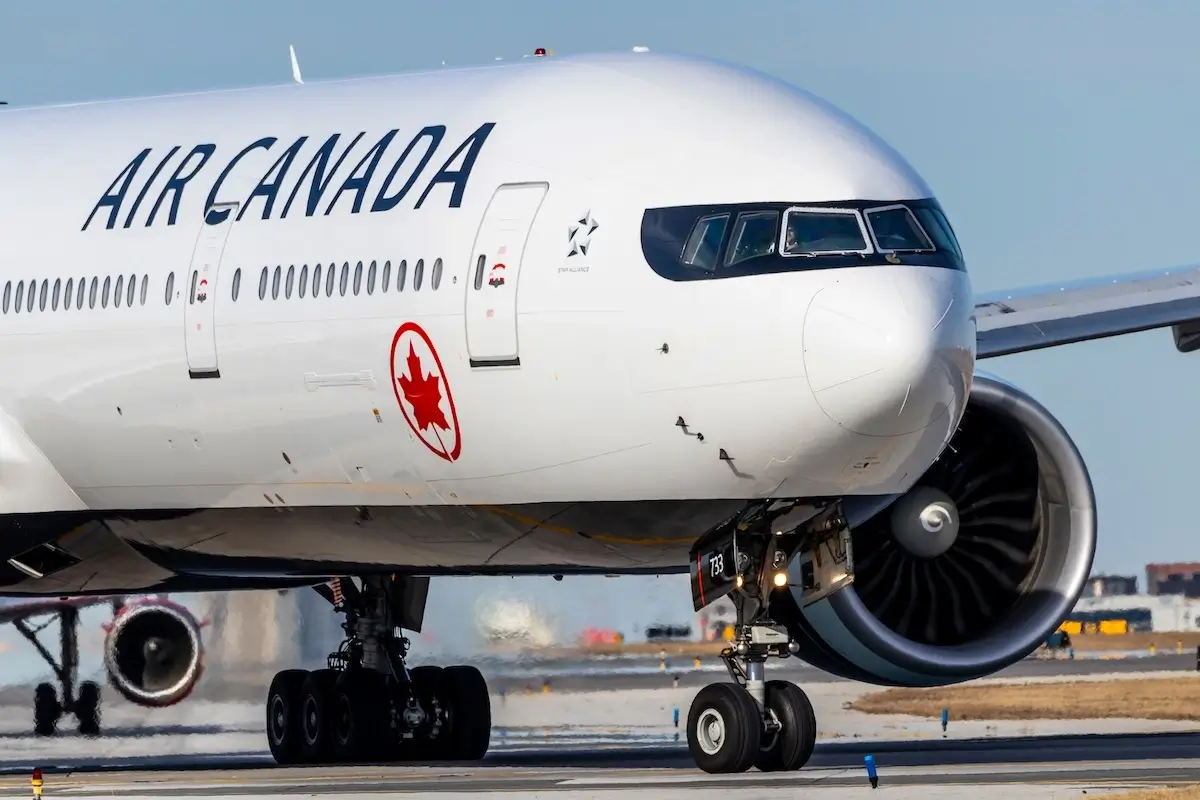
Air Canada has confirmed the suspension of all operations across its mainline and Rouge divisions.
The strike involves 10,000 of its flight attendants, who are represented by the Canadian Union of Public Employees (CUPE), and came into effect at 12:58 am Eastern Time on August 16, 2025.
Air Canada confirms that flights across Air Canada Express, operated by third-party airlines, are therefore not affected by the developing situation.
The action follows a statutory 72-hour or three-day-long strike notice, which had been put in place on August 13 by the Canadian Union. It has resulted in the operations being put into disarray since.
Already, the schedule has been reduced, with approximately 700 daily flights slashed to manage the disruptions caused by the strike notice. This reduction has now increased with the full suspension of operations.
Air Canada says it is working diligently to reach a new collective agreement in a bid to remove the labour disputes and leave all parties happy with the outcome, and naturally, therefore, reduce the impact on the business.
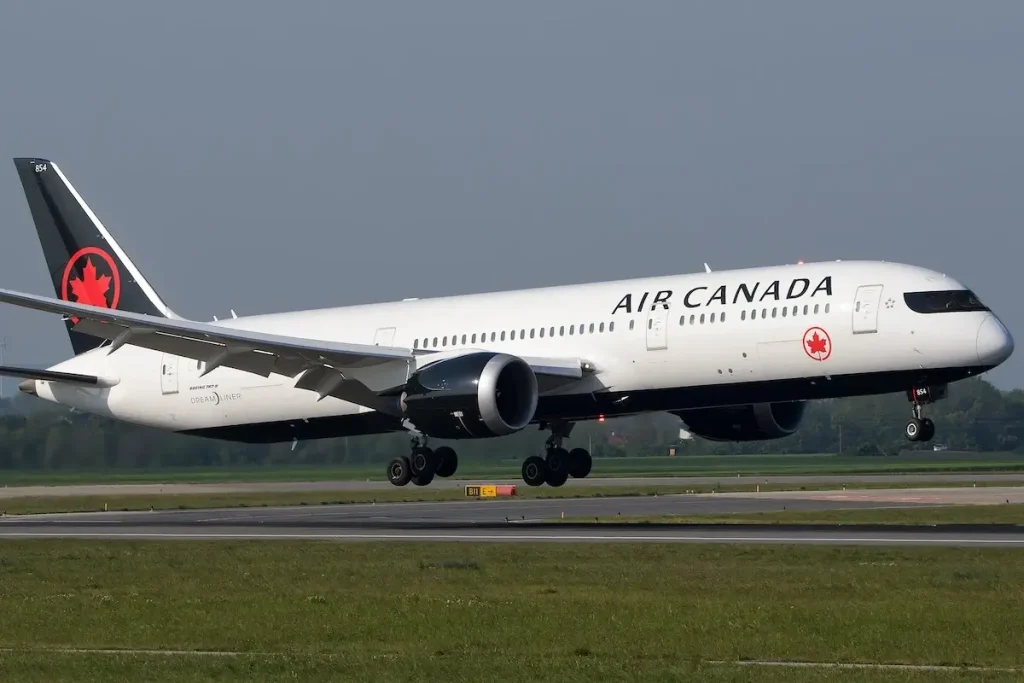
Every day, the Canadian flag-carrier says that over 130,000 customers are being impacted by the strike action, and the knock-on effect from this is colossal, with connecting partner airlines and much more.
As a result of the strike action, the carrier confirmed in a written statement that passengers should not head to the airport under any circumstances unless they have a confirmed ticket on another airline other than the affected Air Canada or Air Canada Rouge.
Additionally, notifications will be put through to affect customers with alternative options for travel where possible, which will put added stress on partner airlines and airports’ customer service teams, who are already understaffed.
Why Air Canada Employees Are Striking
The strike involves Air Canada’s cabin crew members, represented by CUPE and are striking because of a stalemate in ongoing attempts to secure a new contract.
As expected, like strike action which has occurred across many other airlines in recent years, the primary points of complaint include the low wages which haven’t increased at the rates required, unpaid work, pensions, working conditions and more.
The union has previously rejected other contract proposals put forward by the airline, and this has led to frustrations internally, and a vote from employees that saw a unanimous 99% of flight attendants voting in favour of a strike mandate, highlighting their dissastification at the situation.

Often viewed as a last resort, the walkout by employees is a last-ditch attempt to secure better terms and inflict damage on the business to get executives to come to the board and agree to something mutually beneficial.
If a resolution is not reached with immediate effect, the damage to Air Canada, which is already bad, will only increase to catastrophic levels in just a matter of days.

ABOUT THE AUTHOR
Daniel Fowkes is a Melbourne-based aviation analyst and journalist with over a decade of industry experience. As founder of Dj’s Aviation, he delivers trusted analysis on aircraft, airline strategy and global aviation trends for djsaviation.net
Leave a Reply
Related Articles




Stay Informed
Get the latest aviation news, analysis and route updates delivered to your inbox.
We respect your privacy. Unsubscribe at any time.
Enjoyed this story?
Make us your go-to for aviation news
Add us as a preferred source on Google and see our latest stories first in Top Stories.
Add Us On Your News FeedRelated articles
· Uncategorized
· Routes
WestJet Is Cancelling 3 European Routes
Daniel Fowkes
03/10/2026
· Uncategorized
Lufthansa’s Boeing 777X & Airbus A350 Gamble
Bryan Shelmon
10/09/2026
· Emergency Landing
· Uncategorized
SWISS A330 Makes Emergency Landing As Smoke Fills Aircraft
Daniel Fowkes
28/07/2026
· Uncategorized
Airbus A321XLR and Boeing 787 Avoid Collision
Daniel Fowkes
19/07/2026
Its clear air canada was relying on the government intervention in this dispute. The union has all the power. They stand to lose very little for every day of the strike (spread over 10,000 employees) while air canada stands to lose 60 million per day (by some estimates). Plus future loses cause by reputational damage. This was a huge gamble by air canada and they will lose this fight. What were their strategists thinking!