

Air Canada is trialling its early-stage Airbus A321XLR in June, with the jet being swapped out of a handful of transatlantic services.
Reporting from the reliable and exclusive aeroroutes.com shows that, for the busy Northern Summer schedule when the A321XLR is expected to debut, several planned services will be pushed back.
As a result, specific routing, which was expecting the next-generation single-aisle to make its mark, will have to wait a little longer, as is to be expected with new aircraft types that carry some uncertainty.
What Air Canada Is Changing
As part of the latest schedule filing flagged, the airline will make several operational adjustments, with a strong focus on European routes throughout June 2026.
Firstly, the airline’s Montreal-to-Edinburgh service will operate between 16 June 2026 and 30 June 2026, with the Boeing 787-8, a widebody jet, replacing the intended thrice-weekly debut of the Airbus A321XLR.
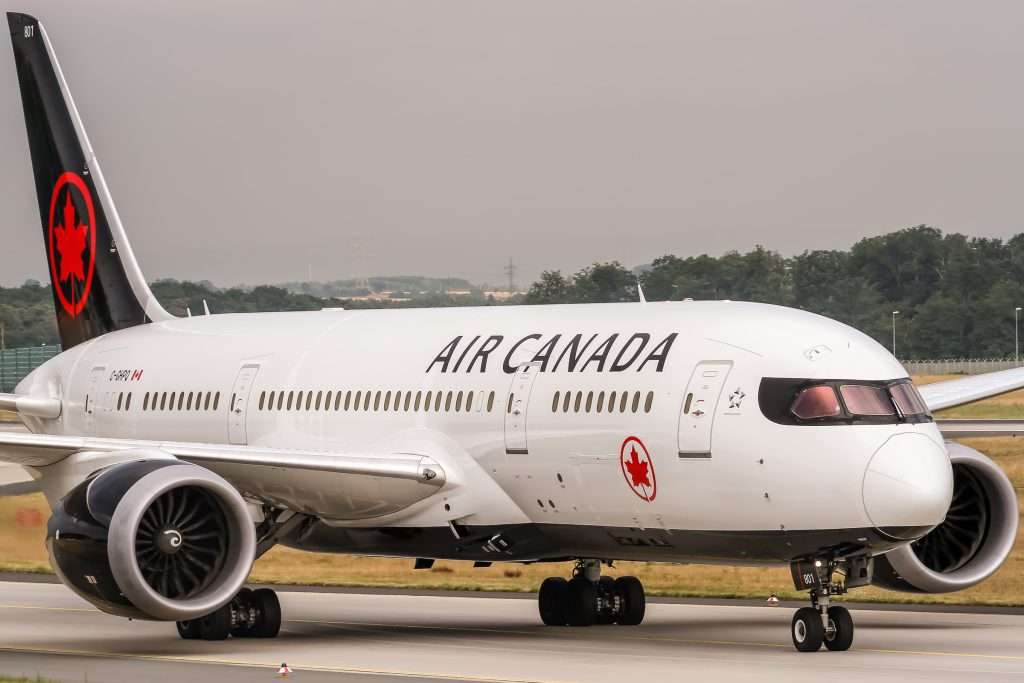
Next, the airlines’ Montreal-to-Porto service will face a similar fate: from 19 June 2026 through 1 July 2026, the Boeing 787-8 Dreamliner will operate four weekly flights in place of the A321XLR.
Lastly, between Montreal and Toulouse from 1 June 2026 through 14 June 2026, a mix of the Boeing 787-8 and 787-9 will replace the A321XLR on the four scheduled weekly flights.
Airbus A321XLR Debut Changes As Well
For Air Canada, while specific flights have had their schedules revised as part of planning for the Northern Summer 2026 season, the airline is also adjusting the start of its A321XLR operations at various locations.
Montreal-to-Calgary service was expected to see the A321XLR on 3 June 2026; this will now be pushed back by two weeks to 17 June 2026, per the latest forecast.
Other debuts, which are expected to remain unchanged for the moment, include the airline’s Montreal-to-Berlin flight from 2 July 2026, followed by Montreal-to-Los Angeles on 1 October 2026, and other markets such as London Heathrow.
Why The Airbus A321XLR Matters
For Air Canada, there’s much excitement about the debut of the Airbus A321XLR, its first new single-aisle jet to enter service for some time, and it is part of a commitment to reshaping this part of the business as 737 MAX jets exit the fleet and head to leisure brand Rouge.
As a direct result of this, the A321XLR, which is designed to give airlines greater route flexibility while maintaining single-aisle economics and strong capacity, will reshape how airlines offer single-aisle journeys and reduce pressure on existing fleet types.
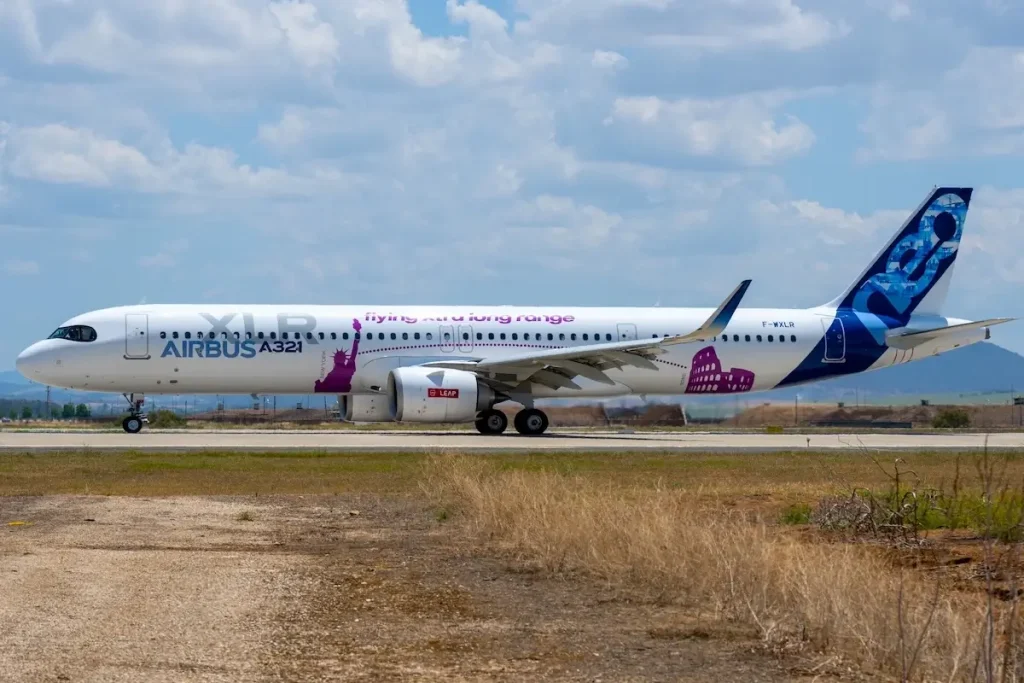
Whether it’s coast-to-coast markets or the need to deploy these jets in secondary European cities, the economics of the A321XLR mean that previously unavailable routes can now be sustained profitably, either seasonally or year-round, improving connectivity and market share.
With the delivery of more A321XLR jets in the future, Air Canada will be able to continue building this network and increase its reliance on it as it works with the A220 and the new XLR as the backbone of the single-aisle jet-powered fleet.

ABOUT THE AUTHOR
Daniel Fowkes is a Melbourne-based aviation analyst and journalist with over a decade of industry experience. As founder of Dj’s Aviation, he delivers trusted analysis on aircraft, airline strategy and global aviation trends for djsaviation.net
Related Articles




Stay Informed
Get the latest aviation news, analysis and route updates delivered to your inbox.
We respect your privacy. Unsubscribe at any time.
Enjoyed this story?
Make us your go-to for aviation news
Add us as a preferred source on Google and see our latest stories first in Top Stories.
Add Us On Your News Feed