
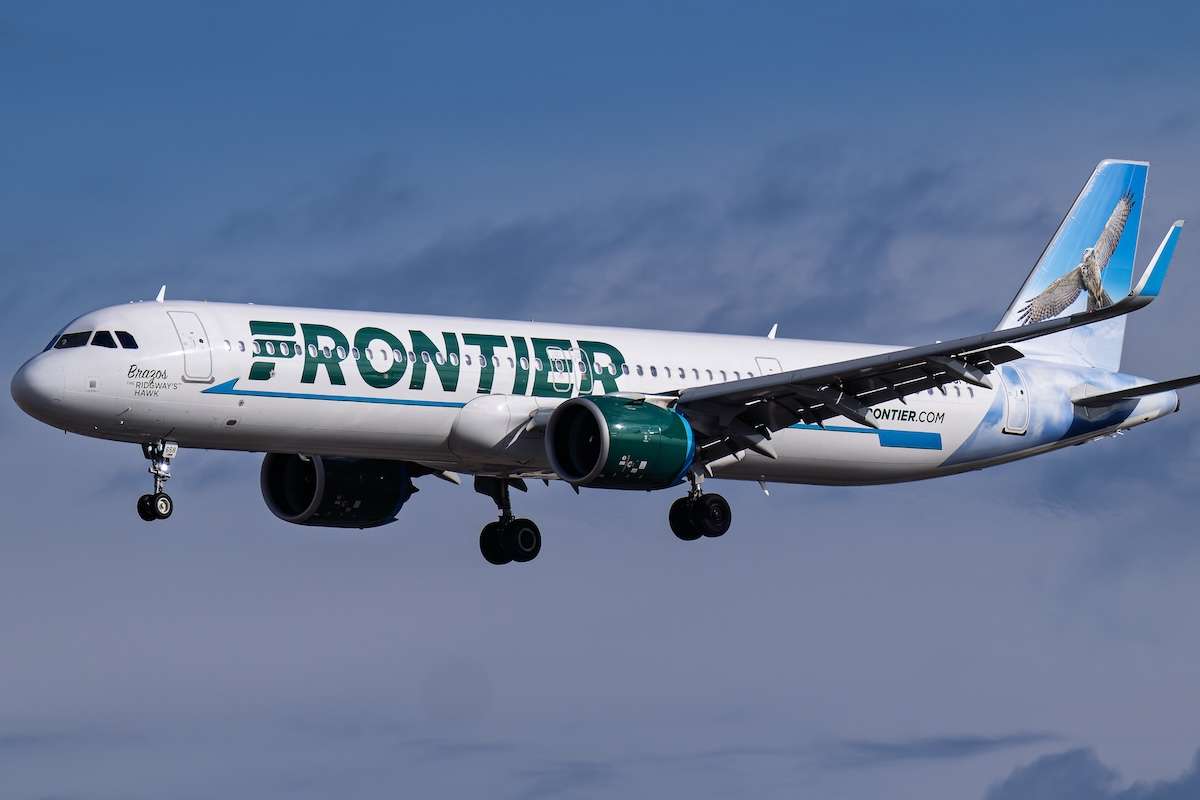
Frontier Airlines is pulling back from more than 20 routes and, as part of that, exiting a staggering six airports altogether, according to recent reporting.
The ultra-low-cost carrier is making the changes as part of a pivot toward higher-yield locations while optimizing its asset utilization.
However, such a cut in its schedule isn’t unnoticed and, certainly in the U.S., represents one of the bigger shifts, aside from the collapse of Spirit Airlines.
What Frontier Airlines Is Set To Change
According to The Street, the 20-plus routes slated to exit the schedule by the end of August are low-performing and thus easy to remove to prioritize other locations.
The biggest impacts will be felt across the Denver and Orlando focus cities in which the business operates. Domestic links slated to be removed are as follows:
- Atlanta to Memphis
- Milwaukee and Oklahoma City
- Charlotte to Las Vegas and San Juan
- Cleveland to Sarasota
- Denver to Cancun, Corpus Christi, Knoxville and Spokane
- Houston to Cancun
- Miami to Las Vegas and Punta Cana
- Orlando to Punta Cana, St Maarten, Salt Lake City and San Francisco
- Philadelphia to Los Angeles
- Tampa to Las Vegas and Santo Domingo
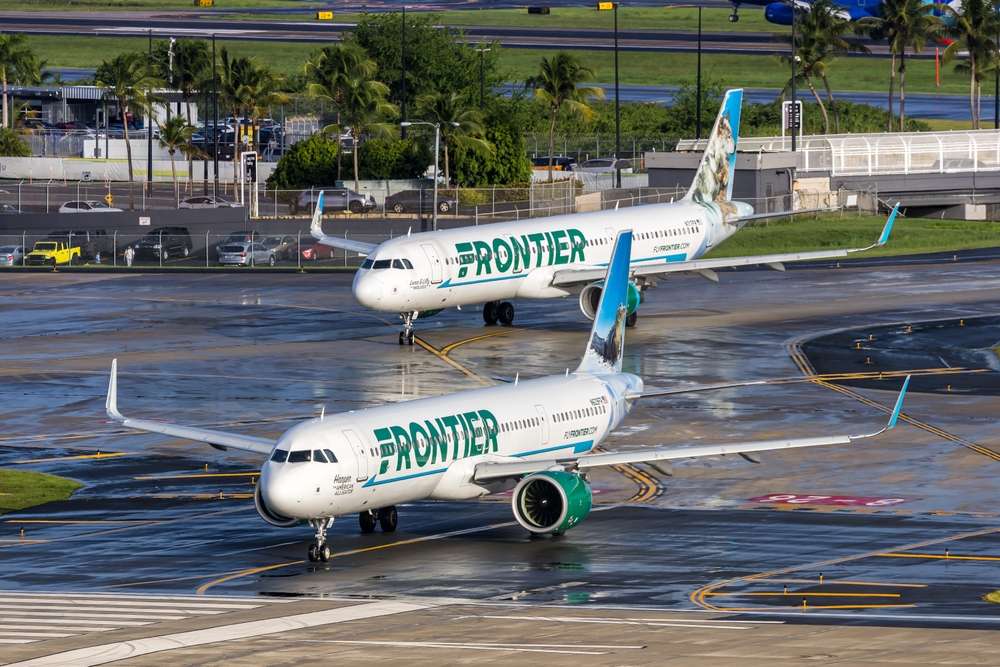
Away from the cuts, the airline is also looking to suspend seasonal routes rather than permanently axe them from the schedule, including services from Orlando to Phoenix and San Jose, as well as from Philadelphia to Houston and Santiago. These changes mean that seasonally suspended routes can return if demand seems feasible, but they won’t in the near term.
Frontier Says Goodbye To Airport
As part of the sweeping changes, the removal of routes is one aspect, but the decision to leave airports where it operated only a single low-frequency route is also notable in the low-cost market.
By the latest summer season, Frontier will not operate service to Corpus Christi, Texas; Knoxville, Tennessee; Spokane, Washington; Sarasota, Florida; St. Maarten, the Caribbean; or San Jose, Costa Rica.
These cities all had just a handful of Frontier flights per week. Also, they saw the airline face significant competition from other carriers that were not just strong but also flew similar routes from larger airports.
The decision to make changes isn’t surprising; thinner operations at any airline are harder to sustain, and in an ultra-low-cost model where high utilization is key, while also meeting active off-peak demand, it becomes challenging to build a sustainable and profitable network without persistent, large-scale surgical changes.
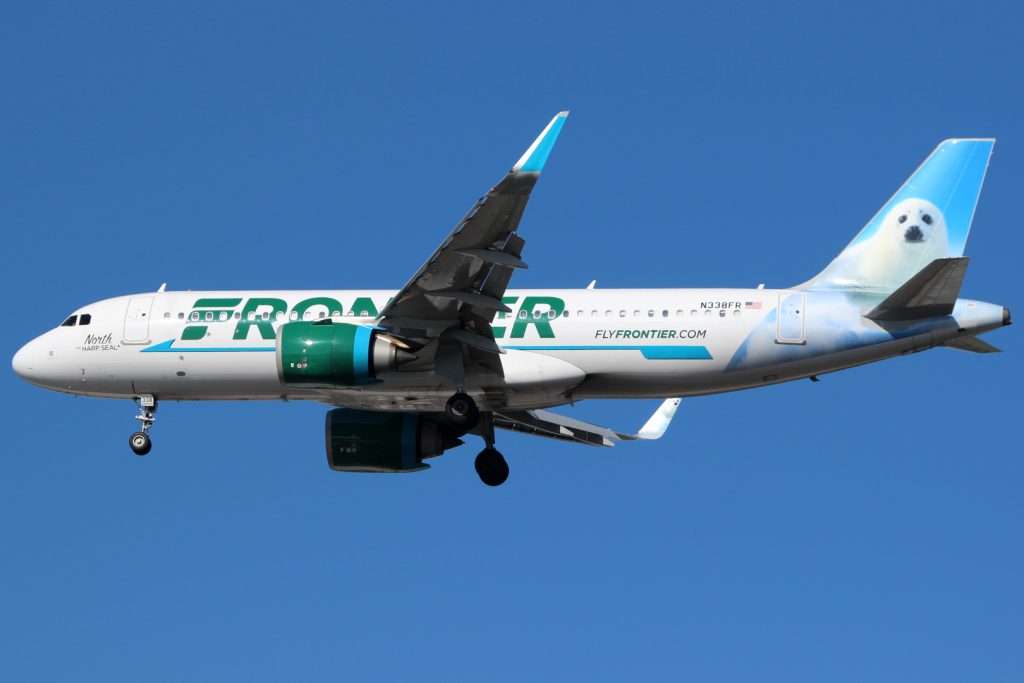
Exiting these airports, and certainly routes do free up aircraft during the week, and crew members who can mean other, busier trunk routes can be activated with either new routes or increased frequency to see better reward.
Frontier has been making changes throughout the year, already stating that it periodically reviews and therefore isn’t afraid to update routes based on market demand, sustainability, and, certainly, the costs associated with flying.

ABOUT THE AUTHOR
Daniel Fowkes is a Melbourne-based aviation analyst and journalist with over a decade of industry experience. As founder of Dj’s Aviation, he delivers trusted analysis on aircraft, airline strategy and global aviation trends for djsaviation.net
Related Articles




Stay Informed
Get the latest aviation news, analysis and route updates delivered to your inbox.
We respect your privacy. Unsubscribe at any time.
Enjoyed this story?
Make us your go-to for aviation news
Add us as a preferred source on Google and see our latest stories first in Top Stories.
Add Us On Your News Feed