

The Middle East is home to two of the world’s most dominant airlines: Emirates and Qatar Airways.
In less than 40 years, the Middle East has become a global aviation powerhouse, led by these two airlines. Because their hubs are so close, Emirates and Qatar Airways are in a constant matchup to see which airline is best.
This comparison guide highlights the similarities and differences between Emirates and Qatar Airways and how they’ve established themselves among the world’s top airlines.
The Two Airlines Dominating the Gulf: Emirates and Qatar
Emirates and Qatar Airways are practically neighbours. Emirates is the official flag carrier of the United Arab Emirates, with its hub in Dubai. Qatar Airways is Qatar’s state-owned flag carrier, with its hub in Doha. Only 200 nautical miles across the Persian Gulf separate these two hubs, giving both a strategic geographical advantage for global operations.
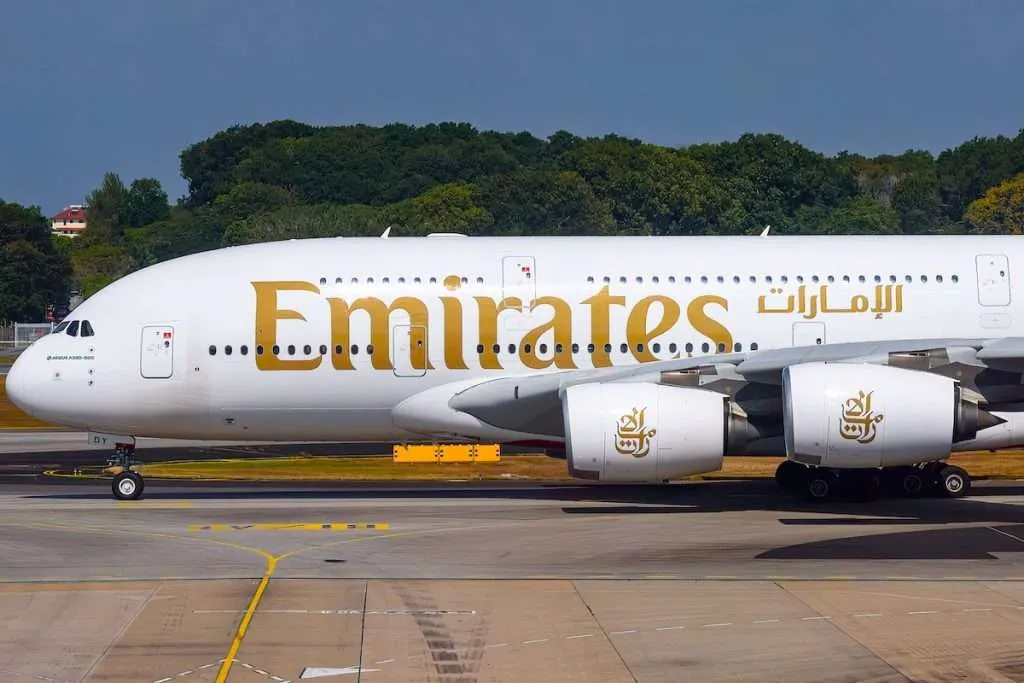
Emirates is the oldest of the two airlines, founded in 1985. The Dubai Royal Family backed the airline at launch and quickly thrust it onto the global aviation scene with its first flight from Dubai to Karachi, Pakistan. Since then, it has built an iconic fleet of all-widebody aircraft, led by its flagship Airbus A380, and has been crowned the “Best Airline in the World” by the Business Traveller Middle East (BTME) Awards.
Qatar Airways was founded in 1993 as a regional carrier, but its 1997 relaunch helped establish its global position. It is one of the most decorated airlines, with accolades including “World’s Best Airline” by Skytrax and its hub named the “World’s Best Airport.”
Strategic Use Of Gulf Region Hubs
The Gulf region is a silent partner in both airlines’ success. It’s a geographical midpoint connecting major regions like America and Europe to Oceania and Asia, and Africa to the rest of the world. Most of these flights pass directly through the Gulf region, making it an ideal hub for connecting the four corners of the globe. Both airlines have leveraged this geographic positioning in their own unique ways.
Dubai International Airport (DXB) is Emirates’ hub. It’s recognised as the world’s busiest airport, with more than 95 million passengers annually. Emirates benefits significantly from international traffic, which sustains its high-density, long-haul network. It flies to more than 140 cities across six continents, including major global hubs such as London, New York, Sydney, Melbourne, Auckland, Mumbai, and Delhi.
Hamad International Airport (DOH) in Doha serves as Qatar Airways’ main hub. It has more than 65 million passengers annually. Qatar utilises this hub to feed short-haul routes from across the Middle East into Doha before connecting to major cities in Europe, Asia, the Pacific, Africa, and the Americas.
DOH has expanded in recent years to accommodate more travellers as this hub grows in popularity thanks to Qatar Airways and its oneworld Alliance partners.
Fleet Breakdown
The respective fleets of Qatar Airways and Emirates are key to optimising their hub-and-spoke route networks. Their fleet sizes are nearly identical, with Emirates holding the largest aircraft fleet in the Middle East at 288 aircraft and Qatar Airways close behind with 272. Their fleet mix helps differentiate the two airlines and their strategic advantages.
Emirates handles substantial traffic at DXB with an all-widebody fleet. For decades, the Airbus A380 has been its flagship, and it has the world’s largest fleet of this aircraft. It also has the largest fleet of the Boeing 777 family, relying on the 777-300ER as its mainline workhorse. Most recently, it began adding the Airbus A350-900 to replace older aircraft with this next-gen long-haul aircraft. It also plans to upgrade the 777 family with the 777X.
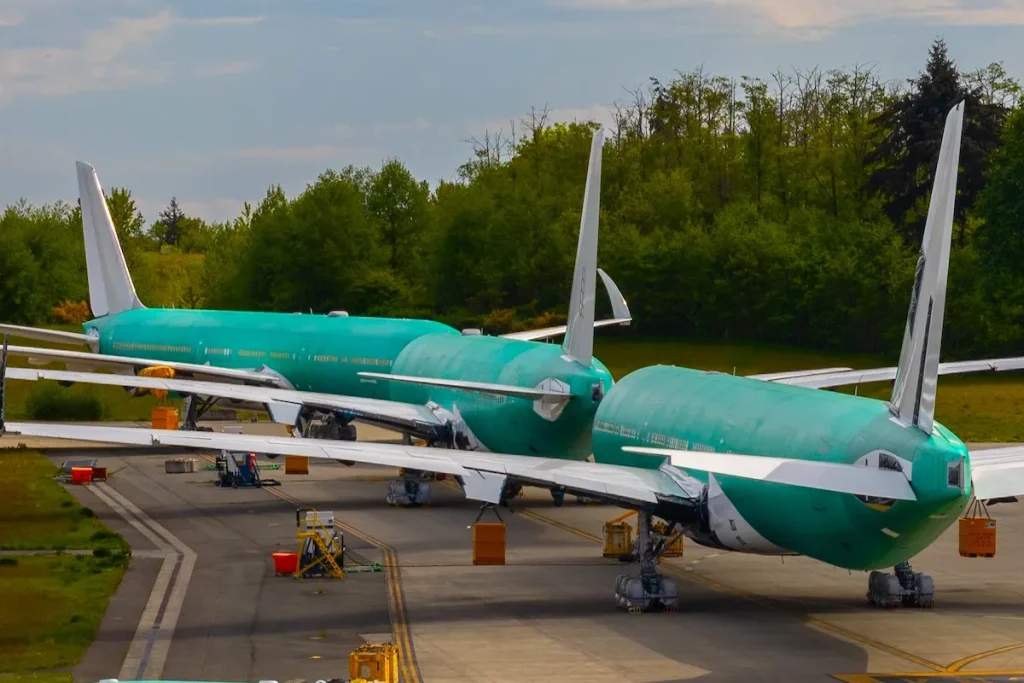
Qatar Airways differentiates itself by connecting secondary Middle Eastern cities to its main global hubs. Its fleet mix reflects this by including aircraft for short- and medium-haul flights, as well as widebodies serving global destinations.
For regional flights, Qatar Airways uses the Airbus A320, A321neo, A330, and Boeing 737 MAX 8. For long-haul flights, it uses the Airbus A350 XWB, A380, and Boeing 777 and 787 Dreamliner.
Emirates Advantage
So, what puts Emirates in a league of its own? It’s the overall flying experience travellers have. The traveller experience is a top priority to keep passengers happy from start to finish on their long-haul journeys’
Emirates enhances its long-haul routes with upgraded cabins to improve passenger comfort. Its aircraft feature First Class, with private suites, sliding doors, and fully lie-flat seats. The A380 even includes an onboard lounge and shower. The aircraft also includes a revamped Business Class, Premium Economy, and Economy seating. It has one of the best onboard dining services, serving regional specialties based on the travel destination. Qatar Airways also offers an exceptional premium class, with its QSuite ranked the “World’s Best Business Class,” but it’s only available on its widebody aircraft.
Frequent flyers know that the travel journey starts at the airport. At Emirates’ DXB hub, the entire Terminal 3 is dedicated solely to the airline. It also has a specially designed Concourse A to accommodate the A380 superjumbo. Passengers can get the best Emirates flying experience here with dedicated First and Business class lounges and direct boarding gates.
Qatar Airways Advantage
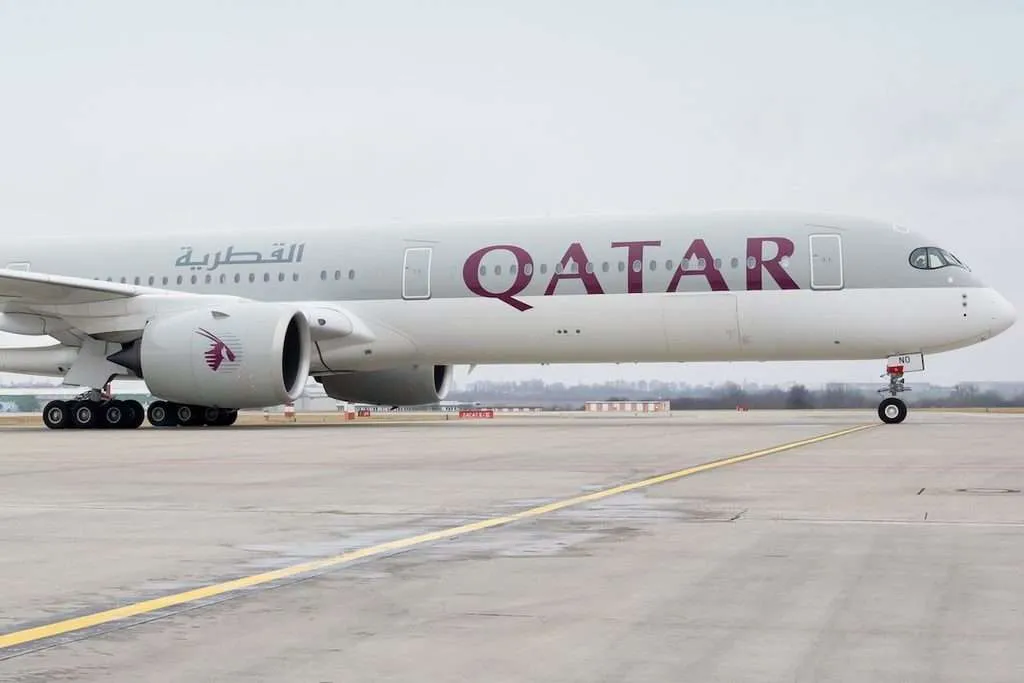
While Emirates shines in passenger experience, Qatar Airways outperforms in connectivity. Its route network is broader, with 170+ cities compared to Emirates’ 140+.
Qatar Airways is the first Middle Eastern airline to join a global airline alliance, becoming a member of the oneworld Alliance group in 2013. This partnership further expands its route network, giving it access to routes and passengers from British Airways, American Airlines, Cathay Pacific, and Qantas. Another benefit is that its loyalty program, Privilege Club, is linked to Avios points that work across oneworld Alliance partners.
Qatar Airways is now expanding its footprint in new markets. It holds a 25% stake in Virgin Australia and South Africa’s Airlink to strengthen its presence in Oceania and Africa.
What airline is better: Emirates or Qatar Airways?
Emirates and Qatar Airways are both world-class airlines. They’re relatively young compared to other legacy carriers, but have quickly risen to the top of the industry largely thanks to their geographic location, strategic operations from their respective hubs, and excellent customer experience.
With both airlines earning numerous accolades, travelling on either Emirates or Qatar Airways is a quality experience. Their extensive route networks also make them useful for long-haul travel. Emirates’ fleet and service stand out, while Qatar Airways’ route network reaches more destinations.

ABOUT THE AUTHOR
Bryan Shelmon is an aviation journalist with 10 years of experience covering commercial aviation, private aviation, airports, aircraft and wider industry news. Based in the Detroit metropolitan area, he has contributed to publications including Lonely Planet, Matador Network and Visit Detroit.
Related Articles



Stay Informed
Get the latest aviation news, analysis and route updates delivered to your inbox.
We respect your privacy. Unsubscribe at any time.
Enjoyed this story?
Make us your go-to for aviation news
Add us as a preferred source on Google and see our latest stories first in Top Stories.
Add Us On Your News FeedRelated articles
· Airlines
Allegiant Air Buys Six More 737-8s From Boeing
Daniel Fowkes
26/10/2026
· Airlines
Emirates vs Qatar Airways: The Gulf Superhub Rivalry Compared
Bryan Shelmon
26/10/2026
· Airlines
Riyadh Air Is Moving Away From Riyadh
Daniel Fowkes
26/10/2026
· Airlines
Emirates Isn’t Worried At All
Daniel Fowkes
25/10/2026