

Air India is moving forward with more route cancellations, with Europe adjustments planned from November as financial and airspace restrictions mount.
The Indian carrier, hit by large operating losses and pressure to cut expenses, including less profitable routes, has put certain locations on the chopping block.
The withdrawals flagged by Aeroroutes are not the first surgical changes the airline has made to its international network this year, as pressures persist and likely will not be the last.
Air India axes Birmingham and Vienna flights
Air India has firstly cancelled its three-times-a-week flight between Delhi Indira Gandhi International Airport (DEL and Birmingham Airport (BHX), effective 4 November 2026.
The route was to be operated by the Boeing 777-300ER but will no longer go ahead; the same applies to the airline’s four-times-weekly Delhi (DEL) to Vienna International Airport (VIE) service, operated by the Boeing 787-8, which will also be cancelled from 1 November 2026.
The adjustment follows further cancellations by Air India, including its Amritsar Sri Guru Ram Dass Jee International Airport (ATQ) to London Gatwick Airport (LGW) service, which operated three times a week.
Additionally, Delhi will see more route cancellations, with four flights a week axed between the airport and Copenhagen Airport (CPH). The Gatwick and Copenhagen route cancellations take effect sooner, from 25 October 2026, just before the northern hemisphere schedule shifts to winter timetables.
Vienna will remain operational, but it serves as a stopover for select North American operations involving three cities: Toronto, Vancouver and San Francisco. However, the decision separates these triangular routes from routine scheduled passenger service dedicated to the Austrian city.
Restrictions are changing Air India’s route network
While Air India battles pressures from long-standing mistakes made by previous management, factors outside the airline’s control have heightened pressure on its international network.
Air India has linked earlier international reductions to continued airspace restrictions and higher jet-fuel prices that emerged in 2026, making it harder to justify serving specific routes at ballooning losses.
These conditions have affected the commercial viability of specific services and, through internal reviews, have made harsh decisions such as frequency reductions or complete route cancellations necessary. Copenhagen and Vienna were already European destinations that saw summer adjustments as an immediate response and will now be axed as a further step.
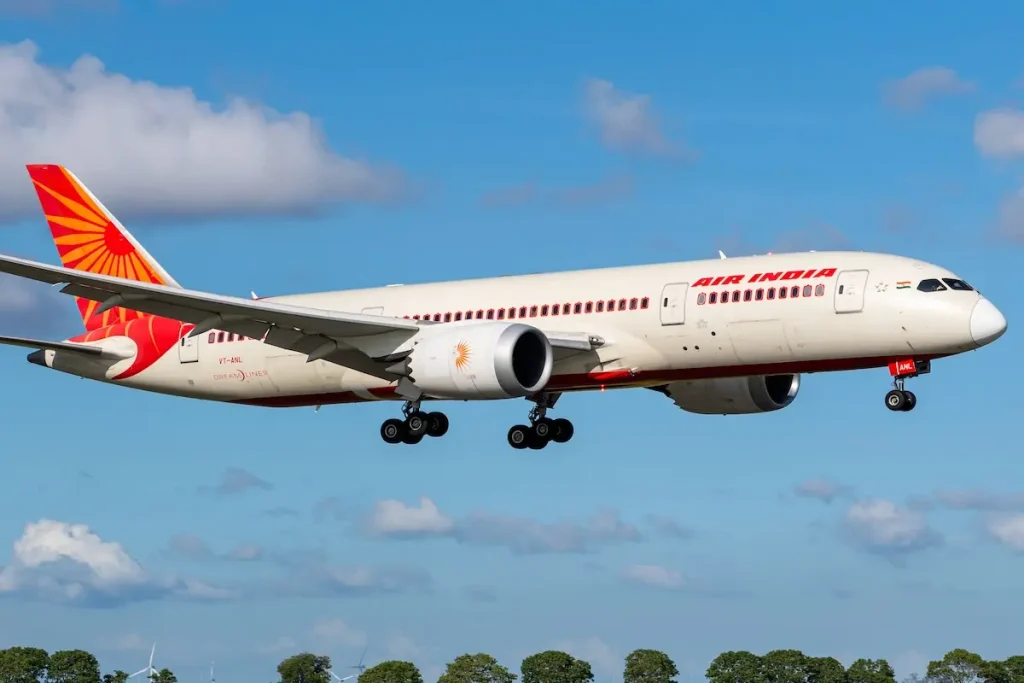
A senior official told The New Indian Express that the restrictions, compounded by the Iran conflict and neighbouring countries including Saudi Arabia and Kuwait, have only increased the impact of the Pakistan closure on Indian carriers’ access to airspace.
The complicated political landscape has pushed flights onto longer, more southerly paths, increasing fuel consumption and, most critically for a damaged airline trying to rebuild financially, operating costs.
Flying hours and stopover charges have also risen, driven by crew concerns beyond fuel prices. The compounding problem means higher fuel prices increase the cost of each tonne consumed on these long-haul flights, but altered flight plans that increase flight time, and thus distance, balloon costs further.
Finances also force a retreat
Air India has also absorbed billions in annual losses during its ambitious restructuring and turnaround programme. The loss, which widened further than expected for the previous financial year, not solely because of route performance, has necessitated action.
The withdrawals from Air India in Europe partly reflect its loss-making position and the ongoing conflict, airspace restrictions, and higher prices that have made certain routes no longer feasible.
Hypothetically, if Air India were in a more stable financial position, it might not need to cut certain international routes as urgently. Unfortunately for the airline, it still needs adjustments to achieve stability, as persistent annual losses in the billions are not sustainable much longer despite strong investment.

ABOUT THE AUTHOR
Daniel Fowkes is a Melbourne-based aviation analyst and journalist with over a decade of industry experience. As founder of Dj’s Aviation, he delivers trusted analysis on aircraft, airline strategy and global aviation trends for djsaviation.net
Related Articles




Stay Informed
Get the latest aviation news, analysis and route updates delivered to your inbox.
We respect your privacy. Unsubscribe at any time.
Enjoyed this story?
Make us your go-to for aviation news
Add us as a preferred source on Google and see our latest stories first in Top Stories.
Add Us On Your News Feed