
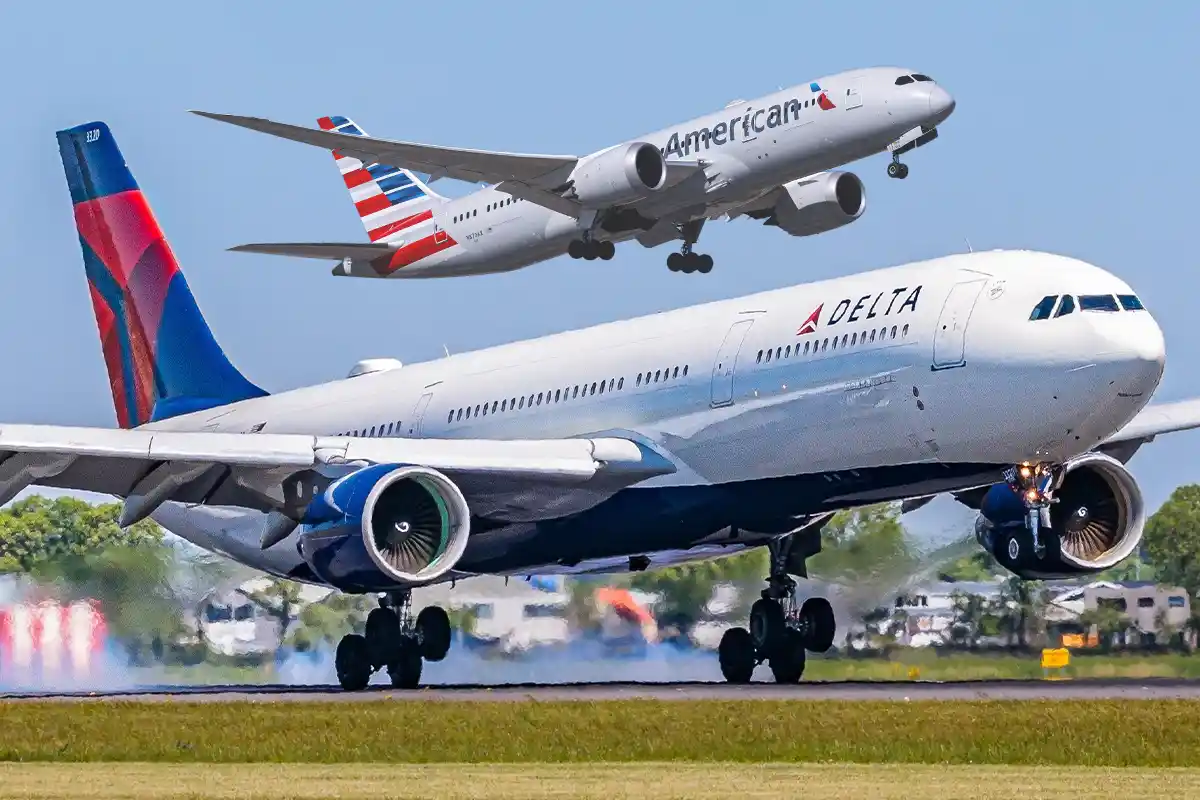
Two aircraft have shaped modern long-haul flying more than almost anything else in the sky: the Airbus A330 and the Boeing 787 Dreamliner. Ask an airline network planner, a leasing executive, or a frequent flyer about the Airbus A330 vs Boeing 787 question, and you’ll get three different answers, because “better” depends entirely on what you’re optimising for.
This comparison breaks down size, range, fuel burn, passenger comfort and running costs so you can judge the Boeing 787 vs Airbus A330 debate on the numbers, not the marketing.
Key Insights
- The Boeing 787 is newer, lighter and burns noticeably less fuel per seat thanks to its composite airframe and electric systems.
- The Airbus A330 is cheaper to buy, simpler to maintain, and remains a genuine workhorse on medium-haul and shorter long-haul routes.
- In the direct Boeing 787-8 vs Airbus A330-300 matchup, the 787-8 flies further on less fuel, while the A330-300 carries a similar passenger load at a lower upfront cost.
- Neither aircraft is objectively “better”. The right choice depends on route length, fleet age, and an airline’s appetite for the 787’s premium price tag versus the A330’s lower entry cost.
- Airlines still order both: Airbus has logged 1,974 firm A330 orders and Boeing 2,453 firm 787 orders as of mid-2026, so the market hasn’t picked a clear winner either.
For more on how these two programs stack up against the rest of the widebody market, our aviation news coverage tracks every order, delivery and route launch as it happens.
What Are the Airbus A330 and the Boeing 787 Dreamliner?
Both aircraft were built to solve the same problem (flying medium to long-haul routes without the size, cost or fuel burn of a four-engine jumbo), but they arrived at very different solutions, a generation apart.
A330 enters service
1993
Aluminium airframe
Generation gap
18 years
787 enters service
2011
~50% composite airframe
What Is the Airbus A330?
The Airbus A330 is a twin-engine widebody that first entered service in December 1993, developed alongside the four-engine A340. Airbus built it on a conventional aluminium airframe, which kept development costs down and allowed the aircraft to borrow heavily from the A320’s fly-by-wire flight deck.
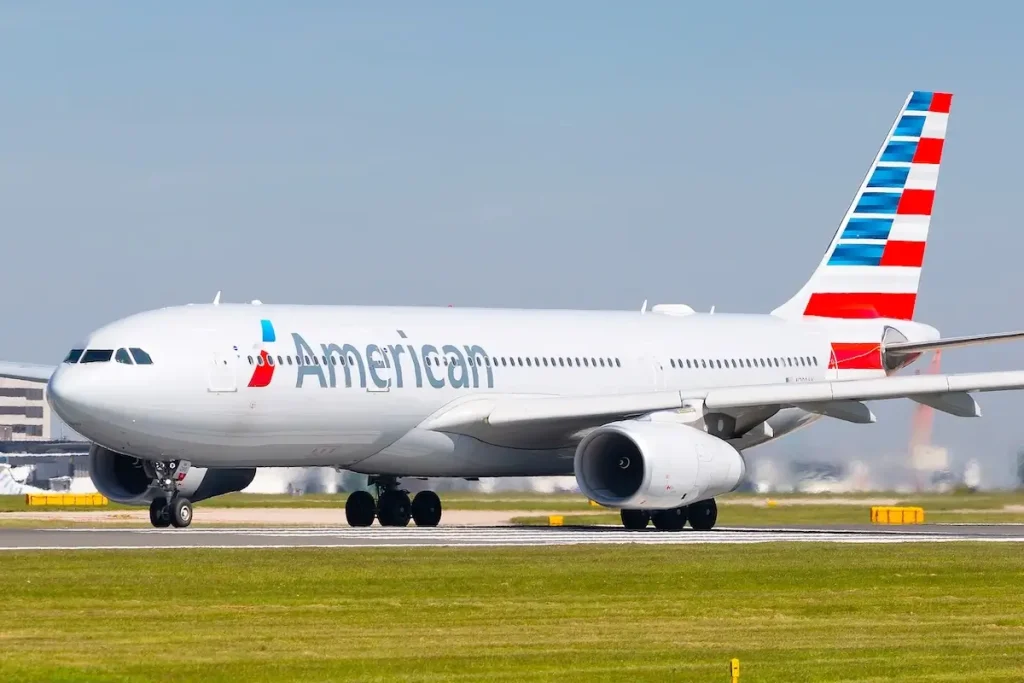
The result is an aircraft that airlines know inside out: predictable to maintain, cheap to acquire second-hand, and versatile enough to run on both six-hour regional sectors and genuine long-haul routes.
You’ll find the full production history and current variants on our Airbus information hub.
What Is the Boeing 787 Dreamliner?
The Boeing 787 Dreamliner entered service in October 2011, nearly two decades after the A330, and it shows. Boeing built roughly 50% of the airframe from carbon-fibre composite rather than aluminium, moved most systems to electrical rather than pneumatic power, and used the weight savings to chase a specific target: 20–25% better fuel efficiency than the aircraft it replaced. This composite construction underpins almost every advantage the 787 has in the Airbus A330 vs Boeing 787 debate.
Track the latest Dreamliner deliveries and incidents on our Boeing latest news page.
How Do the Airbus A330 and Boeing 787 Compare in Size and Dimensions?
The A330-300 is the longer aircraft, measuring 63.7 metres in length with a 60.3-metre wingspan, compared with the 787-9’s 63-metre length and identical 60.1-metre wingspan. The smaller 787-8 is noticeably shorter again, at just under 57 metres.
Maximum take-off weight tells a sharper story. The A330-300 tops out at around 242,000 kg, while the 787-9 reaches roughly 254,000 kg despite carrying a similar passenger load over a longer range, a direct result of its lighter composite structure doing more work per kilogram.
Length (m)
Airbus A330
Boeing 787
Maximum take-off weight (kg)
Airbus A330
Boeing 787
The 787-9 is heavier at take-off but carries a similar load further.
Which Aircraft Carries More Passengers, the A330 or the 787?
In typical three-class airline configurations, the two are closely matched. The A330-300 seats around 277 to 335 passengers depending on layout, while the 787-9 carries around 290 in a comparable two-class setup and the smaller 787-8 seats roughly 242.
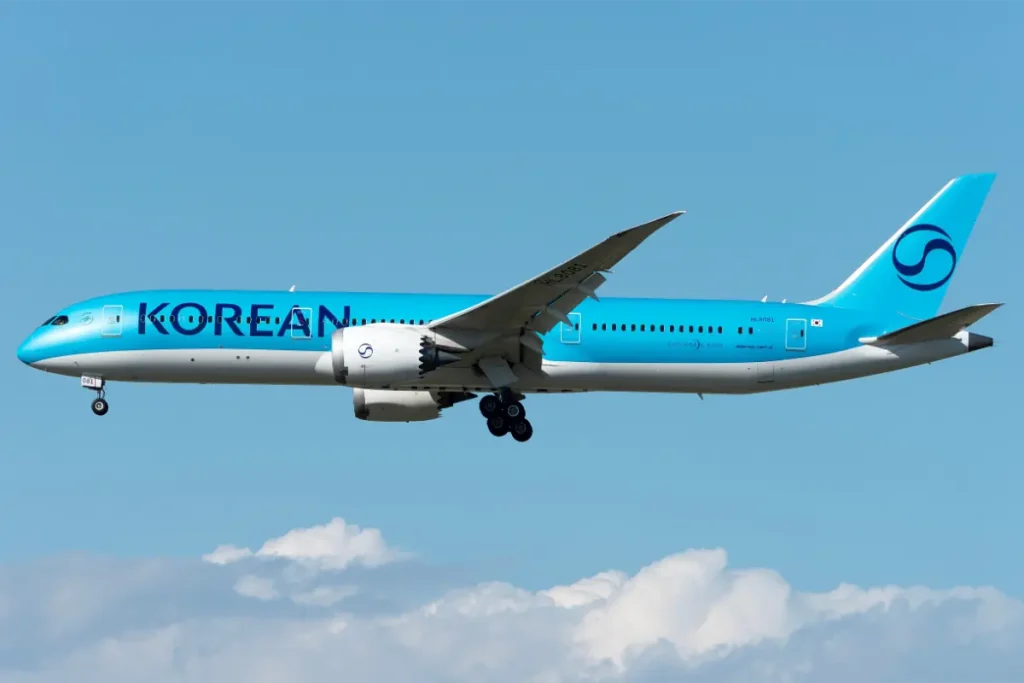
The gap widens at the family level. The stretched Boeing 787-10 pushes capacity to around 330 seats, edging past the standard A330-300, and it’s worth comparing directly against the Boeing 787-10 if capacity is your priority rather than range. But for the closest like-for-like match, the Boeing 787-8 vs Airbus A330-300 pairing is the one airlines actually cross-shop, since both sit in a similar seating bracket.
Typical seating
Airbus A330
Boeing 787
How Far Can the Airbus A330 and Boeing 787 Fly?
This is where the generational gap becomes obvious. The A330-300 has a maximum range of roughly 11,750 km (6,350 nautical miles), which comfortably covers most intercontinental sectors.
The 787 family goes further on every variant. The 787-8 reaches about 13,530 km, the 787-9 stretches to roughly 14,010 km, and even the larger 787-10 manages 11,910 km despite its extra length. That extra reach is why Air New Zealand chose a 787-9 to launch the ultra-long-haul Auckland–Doha route, one of the longest scheduled services ever flown by a twin-engine jet.
Maximum range (km)
Airbus A330
Boeing 787
Every 787 variant out-ranges the A330-300.
If range for thin, long routes is the deciding factor, browse our dedicated pages on the Boeing 787-8 and Boeing 787-9 for route-by-route detail.
Which Aircraft Is More Fuel-Efficient, the A330 or the 787?
Fuel burn is the single biggest reason airlines have been retiring A330s in favour of 787s on long-haul routes. Boeing designed the Dreamliner to burn 20–25% less fuel than the aircraft it replaced, and most of that saving comes down to two things: the engines and the airframe material.
787 fuel burn vs aircraft it replaced
20–25% less
Bleed-air system
Eliminated
More-electric architecture on the 787
How Do the Engines of the A330 and 787 Compare?
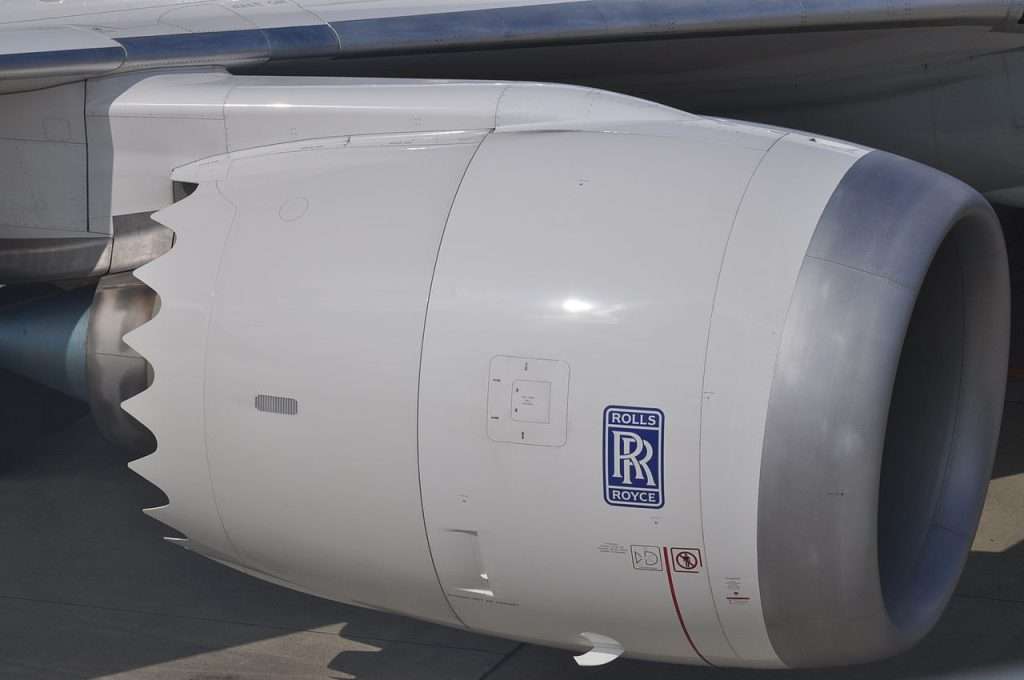
The A330 runs on older-generation turbofans (the Rolls-Royce Trent 700, General Electric CF6-80E1, or Pratt & Whitney PW4000), each producing up to roughly 72,000 lb of thrust. The 787 uses newer Rolls-Royce Trent 1000 or General Electric GEnx engines, purpose-built around the airframe’s lower weight and designed from the outset for lower specific fuel consumption rather than adapted from an earlier generation of engine technology.
A330 engines
- Rolls-Royce Trent 700
- GE CF6-80E1
- Pratt & Whitney PW4000
Older generation · up to ~72,000 lb thrust
787 engines
- Rolls-Royce Trent 1000
- GE GEnx
Purpose-built for lower fuel consumption
How Do Composite Materials Affect Efficiency?
Roughly half the 787’s structure by weight is carbon-fibre composite rather than aluminium. That single decision reduces airframe weight, eliminates corrosion-driven maintenance, and enables Boeing to run a more-electric architecture that eliminates the traditional pneumatic bleed-air system entirely. The A330, built on a 1990s aluminium airframe, simply can’t match that weight saving, no matter how the engines are upgraded, which is exactly why Airbus’s own answer to the 787 wasn’t a re-engined A330, but the composite-heavy Airbus A350.
Composite share of primary structure
Airbus A330
Boeing 787
The A330 bar is a label only: its primary structure is aluminium.
Which Aircraft Offers a Better Passenger Experience?
On paper, the 787 wins the cabin comfort argument outright. Its composite fuselage lets Boeing pressurise the cabin to an altitude of 6,000 feet, compared with roughly 7,000–8,000 feet on the aluminium-bodied A330, alongside noticeably higher cabin humidity. Boeing’s own passenger research links the lower cabin altitude to less fatigue and fewer headaches on long sectors, plus windows about 65% larger than those on a typical widebody and electronic dimming instead of pull-down shades.
A330 cabin altitude
7,000–8,000 ft
787 cabin altitude
6,000 ft
| Cabin feature | A330 | 787 |
|---|---|---|
| Humidity | Lower | Noticeably higher |
| Window size | Standard | ~65% larger |
| Window shades | Pull-down | Electronic dimming |
The A330 isn’t a poor experience by any means. Its cabin is wide, quiet, and well-proven, but it’s built on an older set of assumptions about what long-haul comfort requires. Airlines refreshing their A330 interiors are, in effect, retrofitting comfort features the 787 was designed around from day one. On this measure alone, the Boeing 787 vs Airbus A330 comparison tips clearly in the Dreamliner’s favour.
How Much Do the Airbus A330 and Boeing 787 Cost to Own and Operate?
Acquisition cost still favours the A330. According to the last published Airbus list prices, the A330-300 sat at roughly US$264 million, compared with Boeing’s last published 787-8 list price of around US$248 million and the 787-9 at roughly US$293 million. Both manufacturers have since stopped publishing updated lists, and real transaction prices run 40–50% below list after negotiation, but the relative gap has held: A330s, particularly used ones, remain the cheaper way into widebody capacity.
Last published list price (US$ million)
Airbus A330
Boeing 787
Transaction prices typically run 40–50% below list.

Operating cost tells the opposite story. Lower fuel burn, lighter structure and reduced corrosion-related maintenance mean the 787 typically costs less to fly per seat once it’s in the air, which is why airlines with strong long-haul networks have been willing to pay the higher upfront price. For shorter sectors and airlines prioritising acquisition cost over fuel savings, the A330 (and increasingly the re-engined A330neo) still makes commercial sense.
Cheaper to buy
A330
Especially second-hand
Cheaper to fly
787
Lower cost per seat in the air
Which Airlines Fly the Airbus A330 and the Boeing 787?
The A330 remains one of the most widely flown widebodies on earth, with major operators including Cathay Pacific, Turkish Airlines, Delta Air Lines, Air China and Saudia running large fleets across regional and long-haul networks.
The 787 has built an equally broad customer base since 2011, led by United Airlines’ order for 221 aircraft, alongside large fleets at All Nippon Airways, Qantas, Ethiopian Airlines and Air New Zealand. Many carriers, including Qantas and Turkish Airlines, fly both types side by side, using the A330 on shorter regional sectors and the 787 to open longer, thinner routes, a real-world Boeing 787 vs Airbus A330 split that mirrors exactly what the specifications suggest.
Major A330 operators
- Cathay Pacific
- Turkish Airlines
- Delta Air Lines
- Air China
- Saudia
Major 787 operators
- United Airlines
- All Nippon Airways
- Qantas
- Ethiopian Airlines
- Air New Zealand
Fly both types: Qantas · Turkish Airlines
Airbus A330 vs Boeing 787: Full Specification Comparison
| Specification | Airbus A330-300 | Boeing 787-8 | Boeing 787-9 |
|---|---|---|---|
| Entry into service | December 1993 | October 2011 | August 2014 |
| Length | 63.7 m | 56.7 m | 63.0 m |
| Wingspan | 60.3 m | 60.1 m | 60.1 m |
| Typical seating (3-class) | 277–335 | 242 | 290 |
| Maximum range | 11,750 km | 13,530 km | 14,010 km |
| Maximum take-off weight | ~242,000 kg | ~228,000 kg | ~254,000 kg |
| Primary structure | Aluminium | ~50% composite | ~50% composite |
| Cabin altitude | ~7,000–8,000 ft | 6,000 ft | 6,000 ft |
| Engine options | Trent 700, CF6-80E1, PW4000 | Trent 1000, GEnx | Trent 1000, GEnx |
Figures are approximate and vary by airline configuration and engine choice.
The Verdict
There’s no single winner in the Airbus A330 vs Boeing 787 comparison, only the better fit for a given route and budget. Choose the 787 for long, thin routes where fuel burn and passenger comfort justify a higher purchase price. Choose the A330 for shorter and medium-haul flying where a lower acquisition cost, proven reliability and a simpler maintenance profile matter more than shaving fuel bills on every sector.
For ongoing coverage of how airlines are actually deploying both types, head to Djs Aviation for independent, up-to-date aviation news.

ABOUT THE AUTHOR
Daniel Fowkes is a Melbourne-based aviation analyst and journalist with over a decade of industry experience. As founder of Dj’s Aviation, he delivers trusted analysis on aircraft, airline strategy and global aviation trends for djsaviation.net
Leave a Reply
Related Articles




Stay Informed
Get the latest aviation news, analysis and route updates delivered to your inbox.
We respect your privacy. Unsubscribe at any time.
Enjoyed this story?
Make us your go-to for aviation news
Add us as a preferred source on Google and see our latest stories first in Top Stories.
Add Us On Your News Feed
Great analysis, thanks. However, wouldn’t it be a more fair comparison to compare the 787-9 with the A330-900 NEO?