
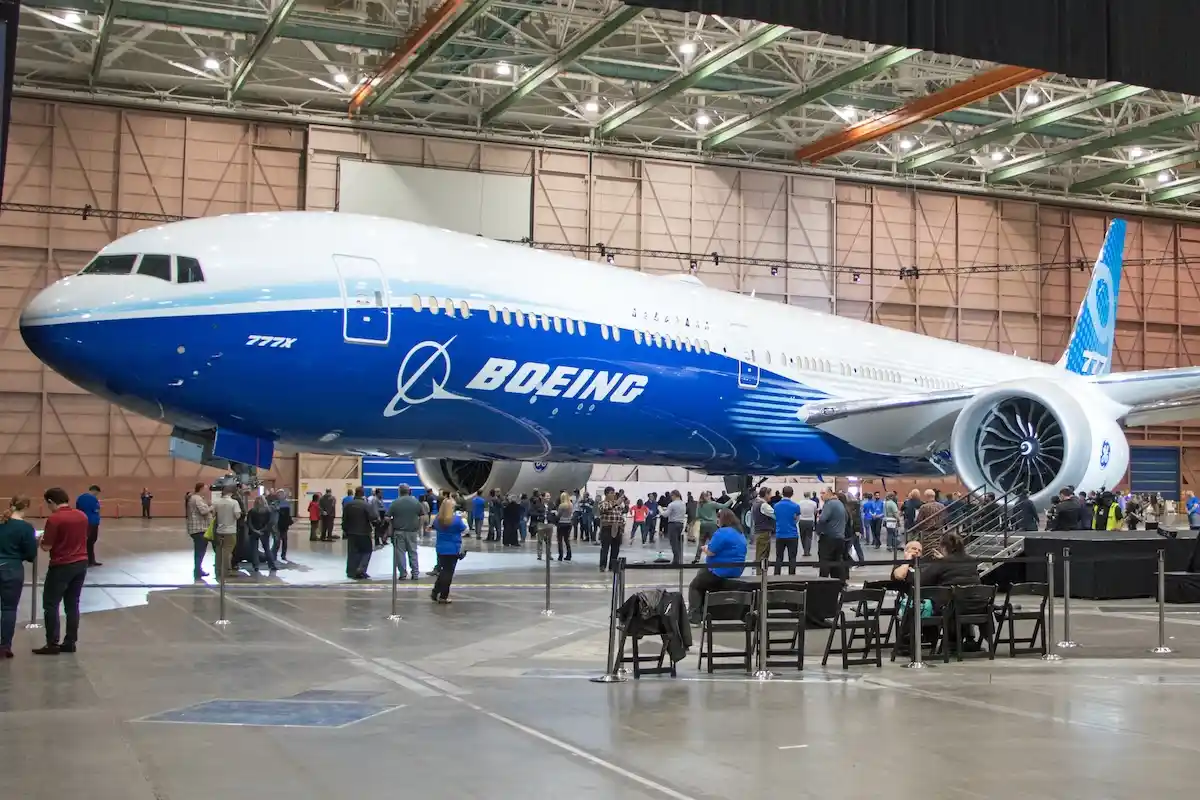
Boeing 777-9s, now approaching their seventh year of delay since the outlined 2020 entry into service (EIS), will avoid further delays after a new GE9X durability issue.
GE Aerospace, the producer of the GE9X equipped on the 777X family, expects the latest durability issue affecting the product not to hurt the 2027 launch timeframe for the newest flagship widebody.
Boeing has acknowledged that the latest mid-seal concern is present and that, while the certification campaign could extend into 2027, this will not impact the planned EIS set for 2027 for airlines such as Lufthansa and Emirates.
The GE9X mid-seal issue on the Boeing 777X
The latest scrutiny surrounding the GE9X, which has had its fair share of turmoil since being applied to the 777-9 at the end of the 2010s, came amid the ongoing extended-range twin-engine operational performance standards, more commonly referred to as ETOPS testing.
For Boeing to continue the 777-9s certification campaign, it needs authorization from the Federal Aviation Administration; however, the planemaker said it has yet to receive that approval.
For GE and Boeing, the issue has centred on the mid-seal on the GE9X, the exclusive powerplant for the broader 777X family. During testing, GE found that the component, which joins the engine’s forward and rear sections, was not achieving the durability expected when first outlined.
The issue was disclosed in February, when the company said it had identified a concern and was working to get to the bottom of it. By April, Reuters reported that the root cause had been identified and a solution was to come without an adjustment to the programme schedule.

New comments from Chief Financial Officer Rahul Ghai at a Morgan Stanley conference confirmed that a redesign had been implemented and that engines fitted with the new seal had begun to be installed in the third quarter, with certification expected in the next few months.
GE still has a high degree of confidence in the redesigned seal following its own internal evaluations, which determined that the new design changes to the engines being produced were finally showing the expected levels of durability, but not in the new iteration.
Following the redesign, Ghai said the existing seal can still be used for certification work already underway, including approvals needed before ETOPS testing, but the redesigned seal for production aircraft is going through separate FAA certification.
ETOPS delayed for the 777-9 certification?
Boeing, because of ongoing durability concerns with the GE9X, has been forced to confirm that FAA approval for ETOPS flight testing for the 777-9 has been on hold.
The hold on the launch of the final grueling certification tests before approval can be granted for the airframe comes as documentation and other certification plans for the engines are completed. Reports that the ETOPS phase is the last evaluation stage before final paperwork show that, despite adversity, meaningful progress continues.
Critically, with the 777-9 not needing to be certified with the current seal, as Ghai stated, the existing component can support current certification; however, the FAA is still pursuing the other approval path for the new seal at the same time, which must be considered.
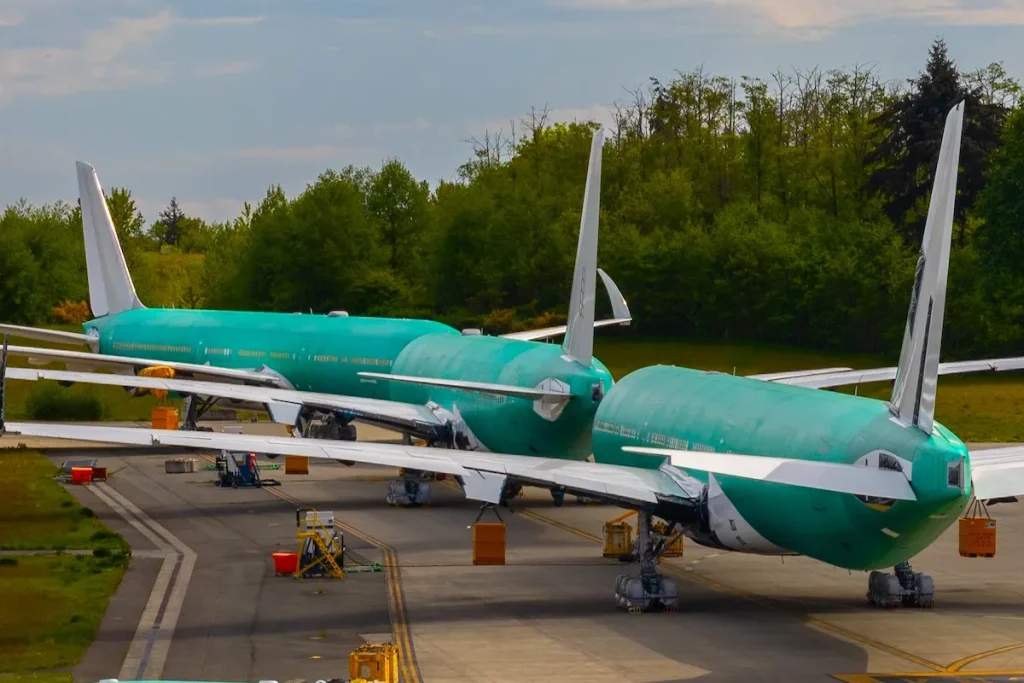
Boeing still needs the FAA to accept the relevant certification, seals, and test packages before it can dive headfirst into the final ETOPS phase and receive the necessary approvals for the new modified seal that’ll be adopted on production aircraft.
With the 777-9 delayed seven years and first delivery expected sometime in 2027, airlines say the planemaker cannot afford further delays. Working closely with GE and the FAA this year to address durability concerns has been key to keeping timelines on track.
Durability is a major concern because it directly relates to an engine’s long-term service life and, if unaddressed, can harm safety, operational margins, and networks. Airlines want assurances that the aircraft, including engines, meet the highest standards and will withstand the harsh climates they fly through, especially in the Middle East.
Lufthansa is expected to be the launch operator of the 777-9, followed by Emirates, and the first delivery in 2027 remains on track despite durability concerns. Boeing continues to inch closer to the final stages of certification for the type, with rising optimism that the green light will come sooner rather than later.

ABOUT THE AUTHOR
Daniel Fowkes is a Melbourne-based aviation analyst and journalist with over a decade of industry experience. As founder of Dj’s Aviation, he delivers trusted analysis on aircraft, airline strategy and global aviation trends for djsaviation.net
Related Articles




Stay Informed
Get the latest aviation news, analysis and route updates delivered to your inbox.
We respect your privacy. Unsubscribe at any time.
Enjoyed this story?
Make us your go-to for aviation news
Add us as a preferred source on Google and see our latest stories first in Top Stories.
Add Us On Your News Feed