
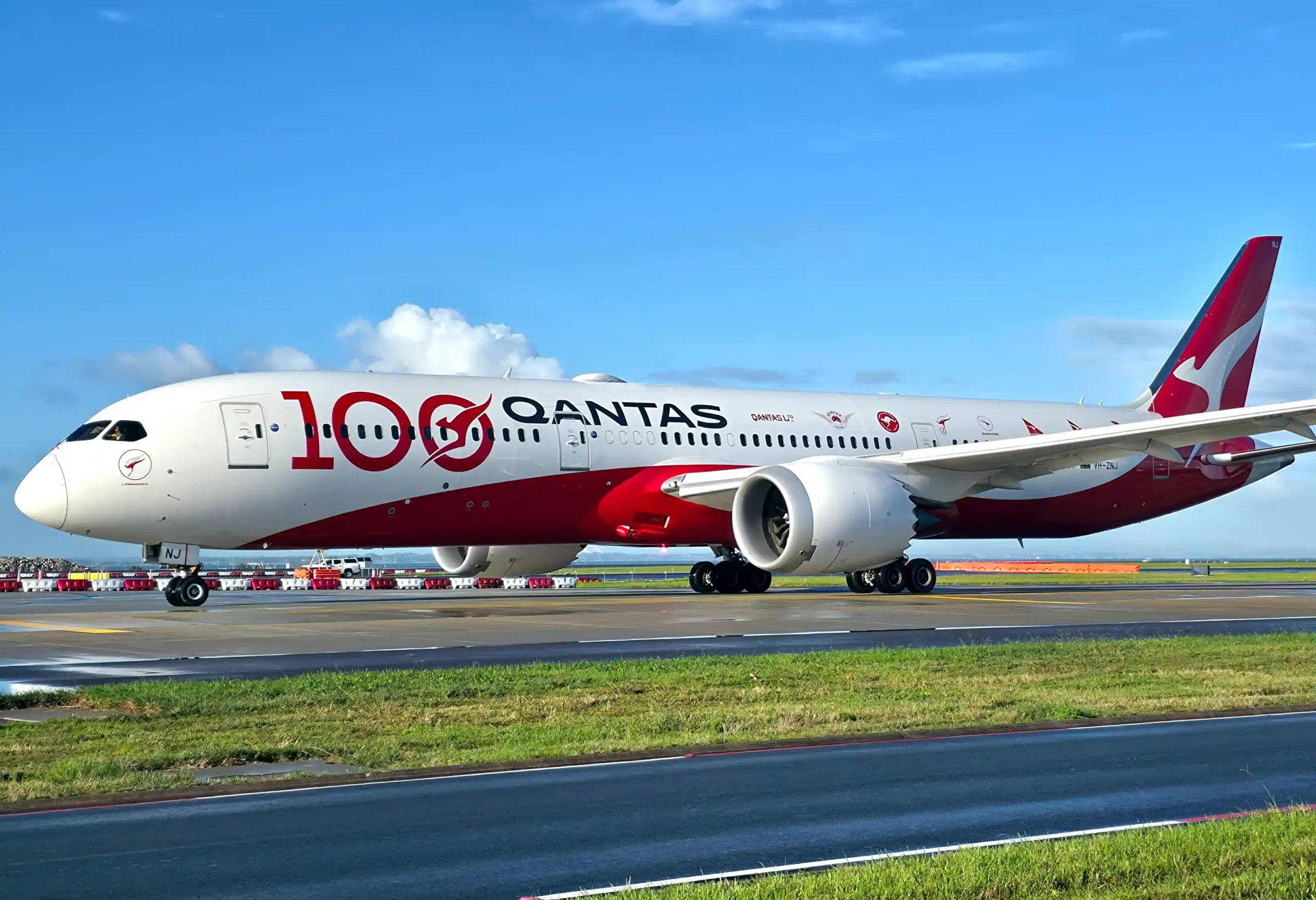
Qantas is moving closer to placing another long-haul aircraft order after bringing forward the retirement of its Airbus A380 fleet by four years, to 2028.
The airline has confirmed it is in discussions with Airbus and Boeing about converting around 20 existing purchase-right options into firm orders for deliveries from 2030 to shape renewal and growth efforts.
With the retirement of the remaining superjumbos now being brought forward, the airline’s capacity gap will become more evident, and the need to meet evolving demand makes converting these purchase rights a vital strategy to lock down delivery slots before production is sold out deep into the next decade.
Qantas Considers 20 More Widebody Aircraft
Qantas’ reported interest in more widebody aircraft is not new; however, in its FY26 results, the company said that discussions with Airbus and Boeing were open and ongoing, the clearest signal of the airline’s intent to scale its widebody fleet.
The Australian flag-carrier said the talks focus on the approximately 20 existing purchase rights, with a view to turning them into firm orders and locking in delivery dates. However, the split between Airbus and Boeing has not been disclosed, nor have the final aircraft variants, other than the A350 and 787 families covered by the purchase rights.
Qantas is expected to build the future of its widebody fleet around those two Airbus and Boeing families, with the A350-1000 pivotal not only to the launch of Project Sunrise in late 2027 between Sydney and London Heathrow, but also to A350-1000LRs selected as replacement aircraft for the A380s; Qantas has also operated Boeing 787s for years.

The next phase of fleet renewal will begin in FY28, when the Airbus A380 fleet is expected to begin phasing out as Qantas takes delivery of the next batch of 787s and the A350-1000ULR enters service on ultra-long-haul routes.
These incoming next-generation jets will also introduce next-generation Business Class cabins, featuring larger suites, privacy doors and bigger entertainment screens. Like many of its international counterparts, the airline is investing in the premium product to drive revenue and meet the needs of high-yield travellers.
By holding purchase rights for widebodies at Airbus and Boeing, Qantas made a strategic decision when it signed the initial contracts, giving it the flexibility to expand its order backlog without signing a new agreement, which could involve new terms, pricing, and later delivery positions.
Airbus A380 Retirement Speeds Up New Aircraft Race
The pursuit of more widebody capacity comes as Qantas has also confirmed it will begin phasing out the A380s from calendar year 2028, replacing a previous planning assumption that retirement would begin in 2032.
Bringing forward the retirements by four years comes as Qantas chief Vanessa Hudson said rising maintenance costs and the disruption they caused were becoming more significant on the A380 fleet. As the fleet has aged, the replacement case has become clearer.
The airline operates 10 Airbus A380s, which were central before the COVID-19 pandemic and, after returning from long-term storage, have again become central to high-demand services such as flights to Los Angeles, London Heathrow, Singapore, Dallas Fort Worth, and Johannesburg in recent times.
As the world’s largest passenger plane and the highest-capacity passenger aircraft type in Qantas’ fleet, its role is hard to replicate. However, its sheer scale brings added maintenance and operational pressures that, as the aircraft ages, become harder to manage.
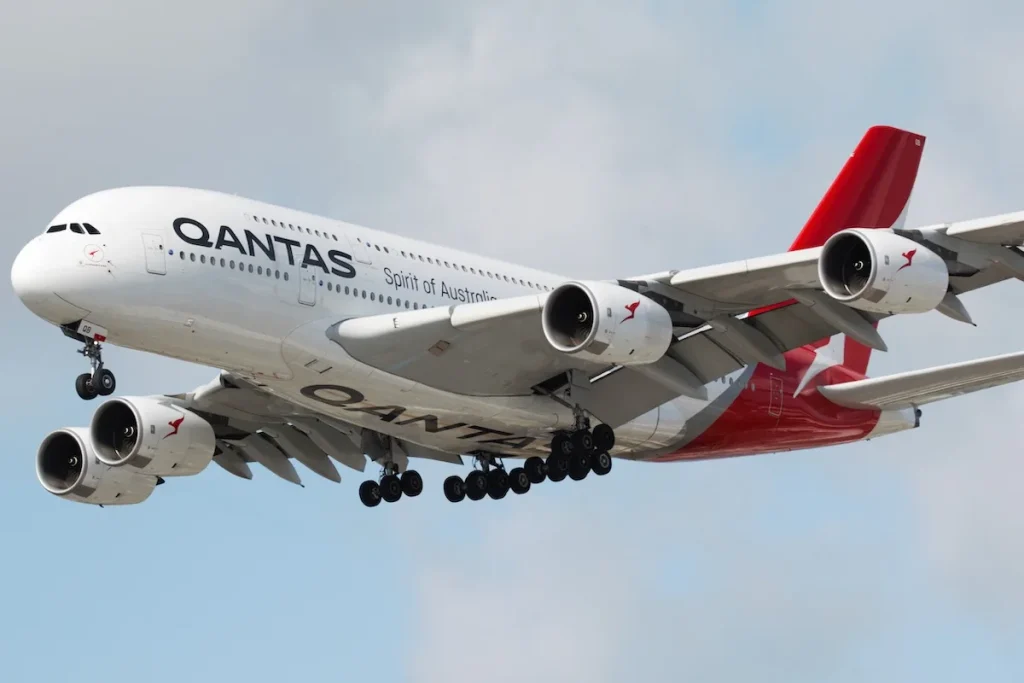
Additionally, the four-engine design, now outdated as a concept, brings fuel-efficiency disadvantages. When Qantas reported its FY26 results, it noted a net $420 million impact from the Middle East conflict, following the outbreak of conflict in the Middle East and a spike in jet fuel prices. Those rising costs are placing greater pressure on international operations and older fleet types that are more fuel-hungry.
Ultimately, as Qantas brings forward the retirement of the Airbus A380 fleet by four years and the next wave of new widebody deliveries is set to commence in the next 12 to 18 months, the appetite to expand the order book with further firm aircraft is increasing, and discussions are now underway to make this a reality.

ABOUT THE AUTHOR
Daniel Fowkes is a Melbourne-based aviation analyst and journalist with over a decade of industry experience. As founder of Dj’s Aviation, he delivers trusted analysis on aircraft, airline strategy and global aviation trends for djsaviation.net
Related Articles




Stay Informed
Get the latest aviation news, analysis and route updates delivered to your inbox.
We respect your privacy. Unsubscribe at any time.
Enjoyed this story?
Make us your go-to for aviation news
Add us as a preferred source on Google and see our latest stories first in Top Stories.
Add Us On Your News FeedRelated articles
· Airlines
Allegiant Air Buys Six More 737-8s From Boeing
Daniel Fowkes
26/10/2026
· Airlines
Emirates vs Qatar Airways: The Gulf Superhub Rivalry Compared
Bryan Shelmon
26/10/2026
· Airlines
Riyadh Air Is Moving Away From Riyadh
Daniel Fowkes
26/10/2026
· Airlines
Emirates Isn’t Worried At All
Daniel Fowkes
25/10/2026