
The Boeing 777X could finally be delivered seven years after its first expected delivery date. But in airplane years, it feels more like a lifetime.
Year after year, delays continue mounting for the 777X programme. Despite high demand and firm orders, it’s out of Boeing’s control as it awaits certification to begin delivery.
As it nears a decade late, airlines worry its cutting-edge technology may be outdated before it enters service.
A 2013 Launch Goes Wrong
Boeing first announced the 777X programme in 2013 at the Dubai Air Show. It was greatly received, surpassing 250 orders valued at nearly US$100 billion before the close of the event. It was promoted as the must-have next-generation aircraft designed as a long-haul flagship. It would become the world’s largest, most-efficient twin-engine passenger aircraft ever built. Amid all this excitement, airlines expected to start receiving the aircraft in 2020.
Unfortunately, the 777X programme stalled during the Boeing 737 MAX crisis, which emerged in 2018 and 2019, right before the original delivery target. This crisis consumed all of Boeing’s resources and attention as it worked to regain good standing with the FAA and its airline customers, and to rebuild trust with travellers. The crisis lingered for a few years, but its effects are still being felt nearly a decade later.
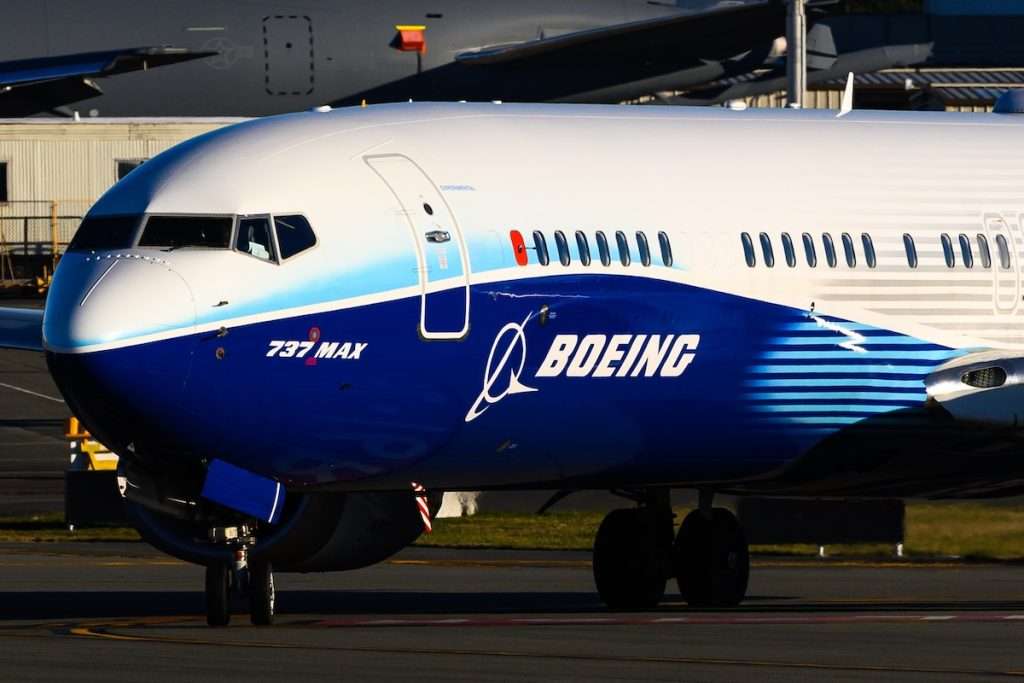
The 737 MAX crisis delayed production, but Boeing’s reputation afterward is causing even longer certification delays. The 737 MAX crashes have placed Boeing under heavy scrutiny for all its aircraft. The FAA is now taking a closer look at every aspect of Boeing’s aircraft to ensure it meets regulatory guidelines for safety and performance.
Some of the critical delays stem from problems with the GE9X engines and passing ETOPS testing for certification. These aren’t simple fixes and have pushed the delivery date back by years, costing Boeing even more.
The Problem Of The Early Builds
The positive reception when Boeing announced the 777X program was both a gift and a curse. The large backlog of orders before the jet was certified convinced the manufacturer to begin producing large quantities of the 777X, expecting it to be certified quickly and start delivering immediately. The head start backfired once the delays began.
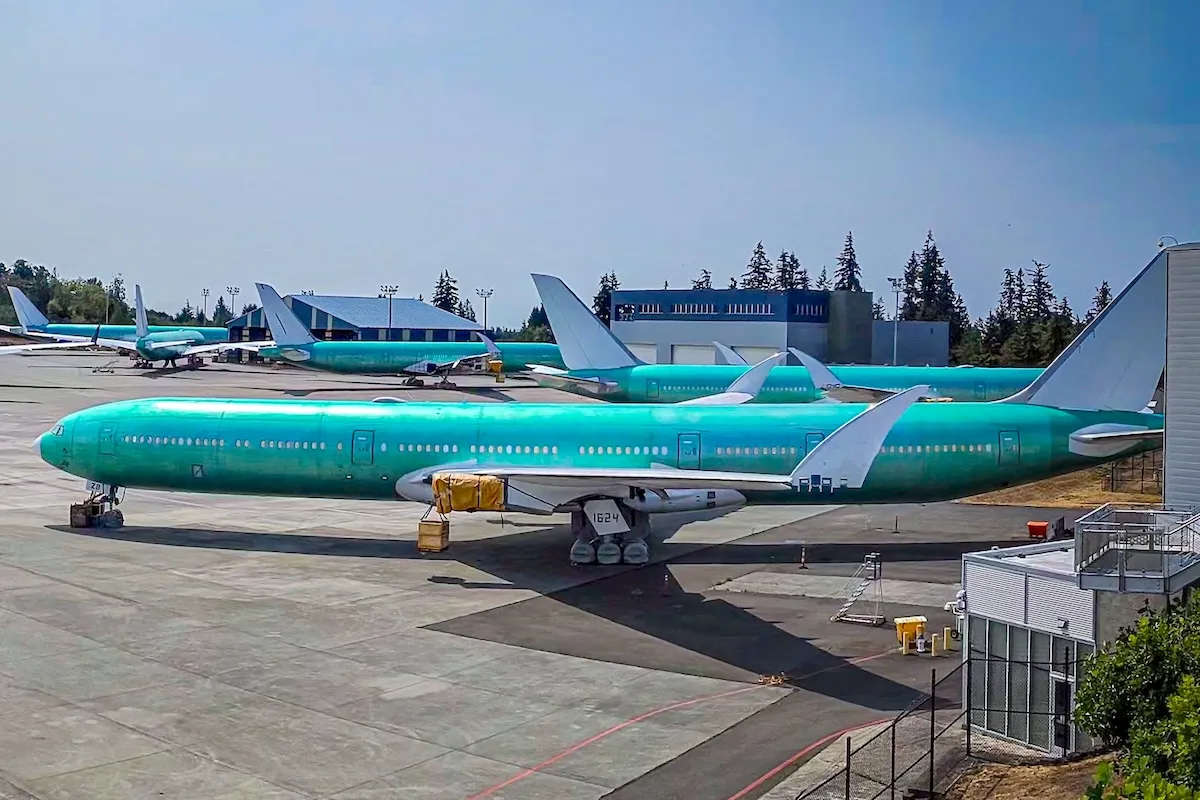
Boeing built about 30 early versions of the 777X that were planned for delivery to customers, including Lufthansa, the launch customer, and Emirates, which has the largest 777X order. With certification delays adding years to delivery dates, these aircraft have sat dormant in storage at Boeing’s Everett factory for more than half a decade.
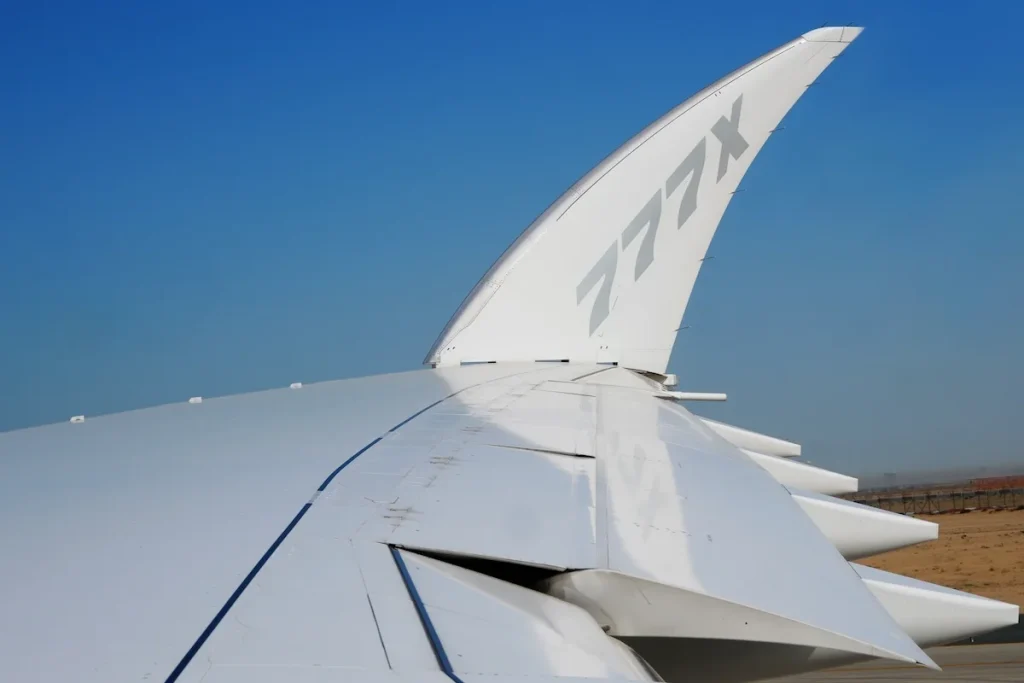
Certification challenges for the 777X proved detrimental to these early builds. Boeing had to revise multiple features of the aircraft, including the engines and the airframe, to meet certification requirements.
With dozens of aircraft sitting untouched for years, and built using original specs, Boeing would have to choose between reworking the early builds or writing them off as complete losses.
One of the 777X models, coined the WH007, was the 7th ever built and was intended for Emirates. Built in 2019, it sat in storage for six years without engines and never flew. It’s one of the first examples of Boeing scrapping an early build as of Summer 2025, and many others could experience this same fate. Especially with its customers being dissatisfied with the age and condition of the early builds.
Emirates Rejects 777-9s, Old Technology?
Emirates, the largest 777X customer, has been extremely vocal about its opinions on the 777X programme. And for good reason, since it’s sitting on an order for 270 aircraft. It’s remained faithful to the programme, having increased its order over the years despite delays. However, the delays are now starting to take a toll on Emirates, which is putting more pressure on Boeing to start rolling out the aircraft.
Boeing has been previewing the 777X to Emirates ever since its first models were being built. Emirates has essentially kept an eye on the programme throughout its entire duration and has never lost enthusiasm for its future flagship widebody aircraft…until recently.
Emirates president, Sir Tim Clark, announced during the 2026 Farnborough Air Show that the airline will reject 10 or 11 of the early 777-9 models that were already built. The issue is that the planes have aged while in storage, even if they haven’t flown, and Emirates prefers to keep its fleet young. Additionally, reworking the aircraft to meet certification standards would be too costly to make it financially viable.
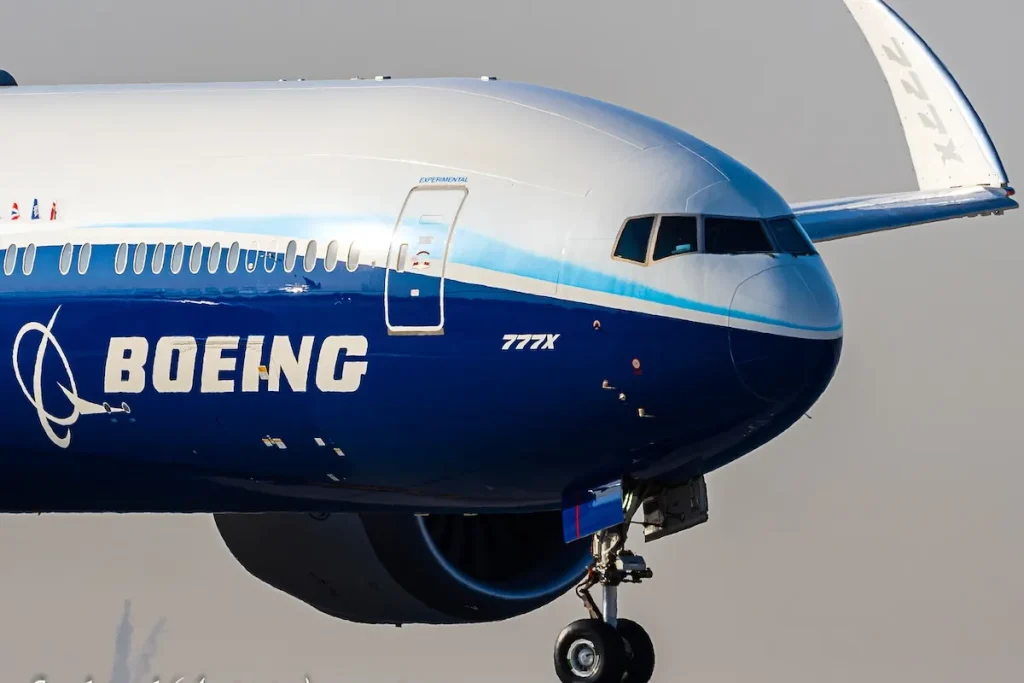
Emirates isn’t alone with this sentiment on the early builds. Another airline privately mentioned similar concerns about getting earlier-built models. If the 777X is supposed to arrive as a new aircraft, most airlines prefer to get the newest rolling out of the factory.
Big emphasis on “most” because United Airlines was reportedly interested in the early-build rejections. However, it later denied speculation that it would become the first US carrier to add the 777X to its fleet.
Is This Programme Arriving Too Late?
A Q2 2027 delivery date makes the 777X programme 14 years old. That’s before it even has a chance to prove itself in the skies as a true next-generation aircraft. That may have been true when it was first announced, but with so many delays, many airlines worry it may no longer be as “next-gen” as they’d hoped, especially heading into the next decade.
Lucky for Boeing, airlines are still highly interested in the 777X. Airlines waiting on delivery are currently operating aging aircraft, so receiving the new model will be a breath of fresh air as they renew their fleets. Also, it has no true competitor that can carry as many passengers while matching its range and fuel efficiency. So, by those standards, the 777X remains a next-generation aircraft.
The 777X checks off many of the boxes airlines want in a new aircraft, which is why they keep waiting. And with a 777-10 stretched model under consideration, it’s a programme that can experience true longevity despite its delays.

ABOUT THE AUTHOR
Bryan Shelmon is an aviation journalist with 10 years of experience covering commercial aviation, private aviation, airports, aircraft and wider industry news. Based in the Detroit metropolitan area, he has contributed to publications including Lonely Planet, Matador Network and Visit Detroit.
Related Articles




Stay Informed
Get the latest aviation news, analysis and route updates delivered to your inbox.
We respect your privacy. Unsubscribe at any time.
Enjoyed this story?
Make us your go-to for aviation news
Add us as a preferred source on Google and see our latest stories first in Top Stories.
Add Us On Your News FeedRelated articles
· Analysis
· Airbus
· Aircraft
· Boeing
Airbus A350-1000 vs Boeing 777-9: The Next-Gen Widebody Matchup
Bryan Shelmon
22/09/2026
· Aircraft
· Airbus
· Boeing
Airbus Confused By Boeing’s New Aircraft
Daniel Fowkes
18/09/2026
· Aircraft
· Boeing
Boeing May Not Launch The 797?
Daniel Fowkes
15/09/2026
· Aircraft
· Boeing
Boeing Scrapped A Brand New 777X
Daniel Fowkes
13/09/2026