
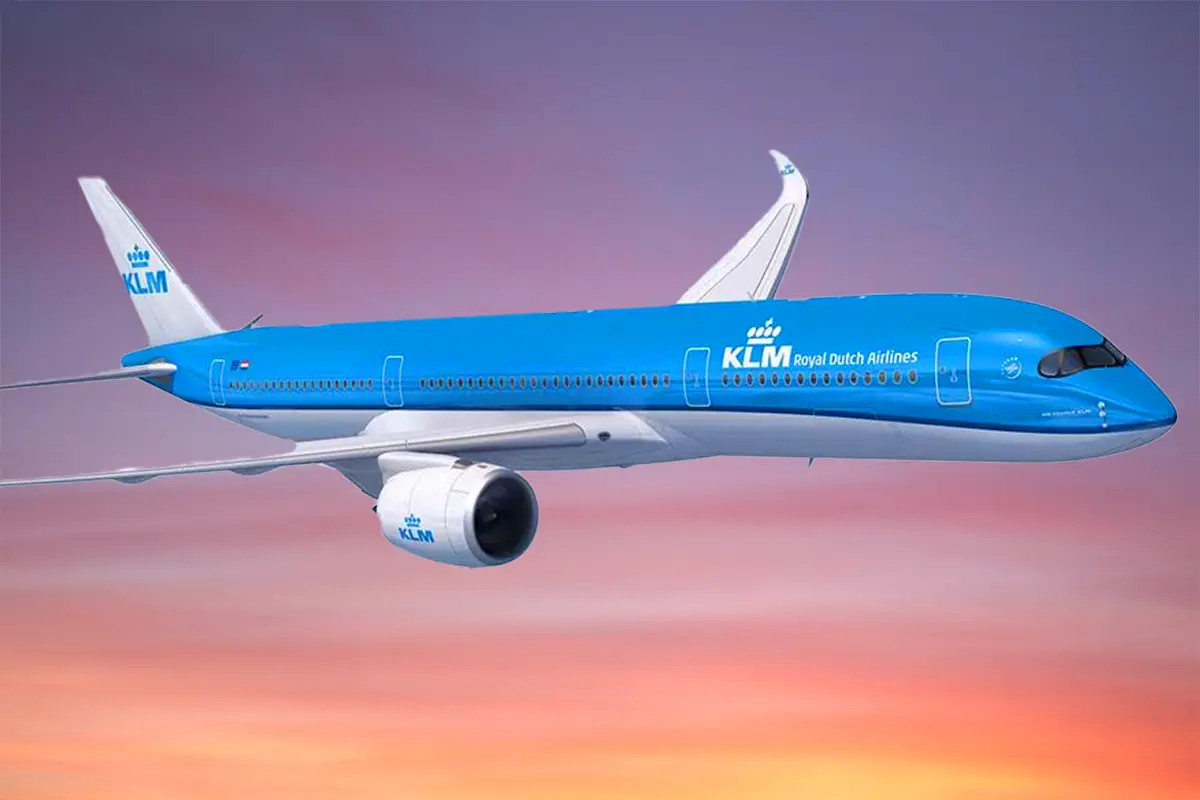
KLM’s Airbus A350 rollout has been further delayed, with a fresh delay pushing the in‑service debut on the Amsterdam–Toronto Pearson route to early October
The latest schedule filing flagged by aeroroutes.com shows that the planned first flight on 29 September 2026 has been moved to 9 October 2026, bringing another short wait to the highly anticipated debut.
Although this is only a short delay, it’s the latest in a series of setbacks affecting KLM’s newest aircraft, both in terms of route launches and earlier delivery delays reported by Airbus during production.
The first passenger flight, now running weeks behind the most recent plan, which was already built on delays, comes with a theme of frustration for the Dutch carrier awaiting its newest investment.
A350 Delays For KLM Stack Up
KLM’s A350 story has been troubled; the October launch to Toronto Pearson was supposed to mark the end of that difficult period, but the newest aircraft has been bogged down in delivery and certification issues.
The Dutch carrier under the Air France-KLM umbrella has committed heavily to the Airbus A350 and is expected to take on 22 of the A350-900s under the current fleet plan. Therefore, the widebody will be positioned as one of the more important long-haul jets in the coming decades.
While the aircraft will be vital to meet increasing demand, there’s also a replacement angle for KLM, with the jets intended to help take over from the older Airbus A330-200, A330-300 and part of the Boeing 777-200ER fleet, bringing a more simplified approach to long-haul services.
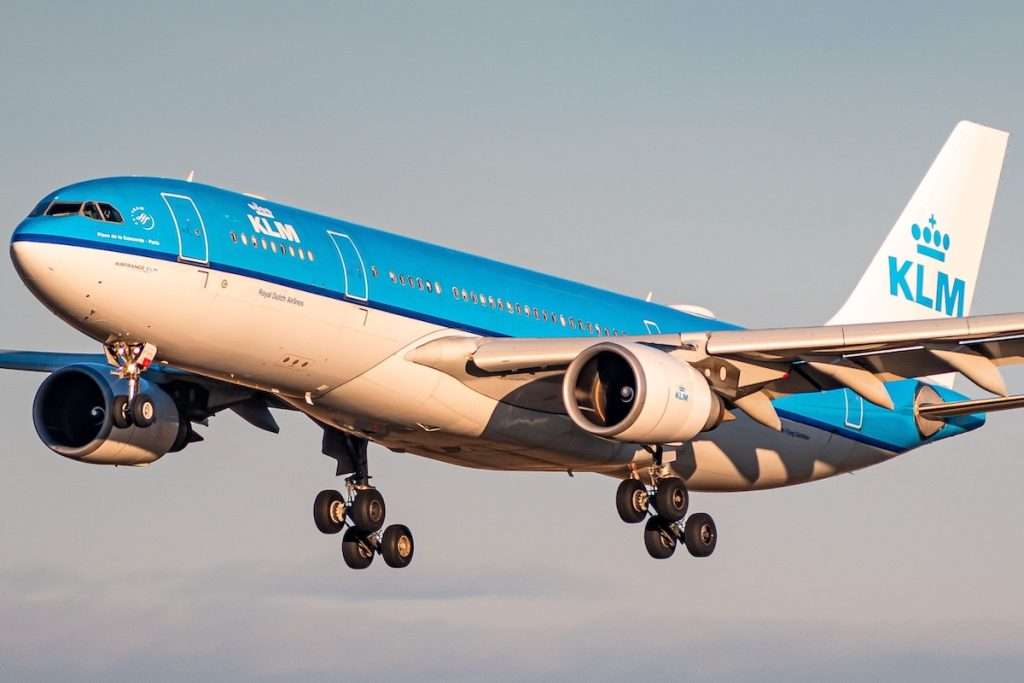
However, from order to commencement of production, KLM has been forced to battle repeated schedule slips, which have not only pushed back retirement plans but also impacted routes, customers, finances, and patience.
In late-2025, the airline confirmed that its first A350 had been delayed again, with first delivery towards the backend of 2026, instead of the previously outlined early-2026 timeframe. Now, in the first week of August, the type has still not been handed over, although that is expected to change imminently.
Those delays have caused frustration; by mid-June 2026, they were still without the Airbus A350, and their forecast painted a year-long delay until arrival. Unfortunately, while out of its control, the inability to source the jet has had a knock-on effect and put stress on the network; volatility in 2026, driven by geopolitical tensions, hasn’t helped matters.
The frustrations around the passenger A350‑900 are not limited to that variant; they extend to the broader A350 family, where CEO Marjan Rintel didn’t hold back at the IATA AGM in Rio de Janeiro this year, saying the A350F launch has slipped by more than 18 months and even then the current 2027 timeline was ambitious.
KLM Still Has A Business Class Issue
Beyond the delayed launch on Toronto Pearson flying from Amsterdam for the A350, one of the most pressing issues is not the airframe but the cabin. The two A350s to be delivered first will do so without their World Business Class seats available for sale because the certification process remains unfinished.
The time taken from design, production, and installation has led to a revised interpretation of what is required to get seats approved. That revision has added time and delayed seat approval, something the manufacturer is working through and likened to Lufthansa’s Allegris debacle on newly delivered 787s, which saw over 90% of the cabin blocked and a loss of revenue.
Because the seats are not yet certified, the premium cabin, while physically installed, will not be available for booking until certification arrives. While the persistent slips in the launch window give time for the paperwork to come through, it’s another pressure point in a long list for the Dutch carrier to navigate.
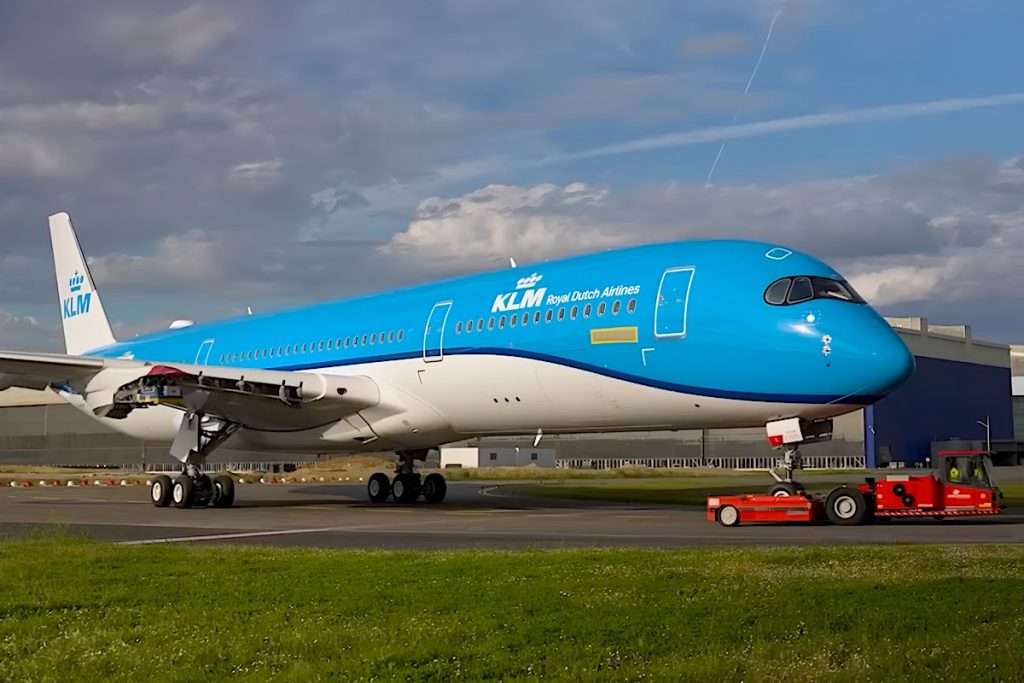
If the business class cabin cannot be certified, KLM would simply be operating the aircraft initially with just Premium Comfort and Economy. The lack of a Business Class is not just an inconvenience but a problem. Upper classes drive revenues, and at the launch of a new commercial type aimed at reshaping the passenger experience, launching without it leaves a bad taste.
Whether due to supply chain constraints affecting A350 production or seat certification delays, it has been a challenge for the Netherlands-based airline to bring these new widebody aircraft on, but the wait will be worth it.

ABOUT THE AUTHOR
Daniel Fowkes is a Melbourne-based aviation analyst and journalist with over a decade of industry experience. As founder of Dj’s Aviation, he delivers trusted analysis on aircraft, airline strategy and global aviation trends for djsaviation.net
Related Articles




Stay Informed
Get the latest aviation news, analysis and route updates delivered to your inbox.
We respect your privacy. Unsubscribe at any time.
Enjoyed this story?
Make us your go-to for aviation news
Add us as a preferred source on Google and see our latest stories first in Top Stories.
Add Us On Your News FeedRelated articles
· Airlines
Allegiant Air Buys Six More 737-8s From Boeing
Daniel Fowkes
26/10/2026
· Airlines
Emirates vs Qatar Airways: The Gulf Superhub Rivalry Compared
Bryan Shelmon
26/10/2026
· Airlines
Riyadh Air Is Moving Away From Riyadh
Daniel Fowkes
26/10/2026
· Airlines
Emirates Isn’t Worried At All
Daniel Fowkes
25/10/2026