
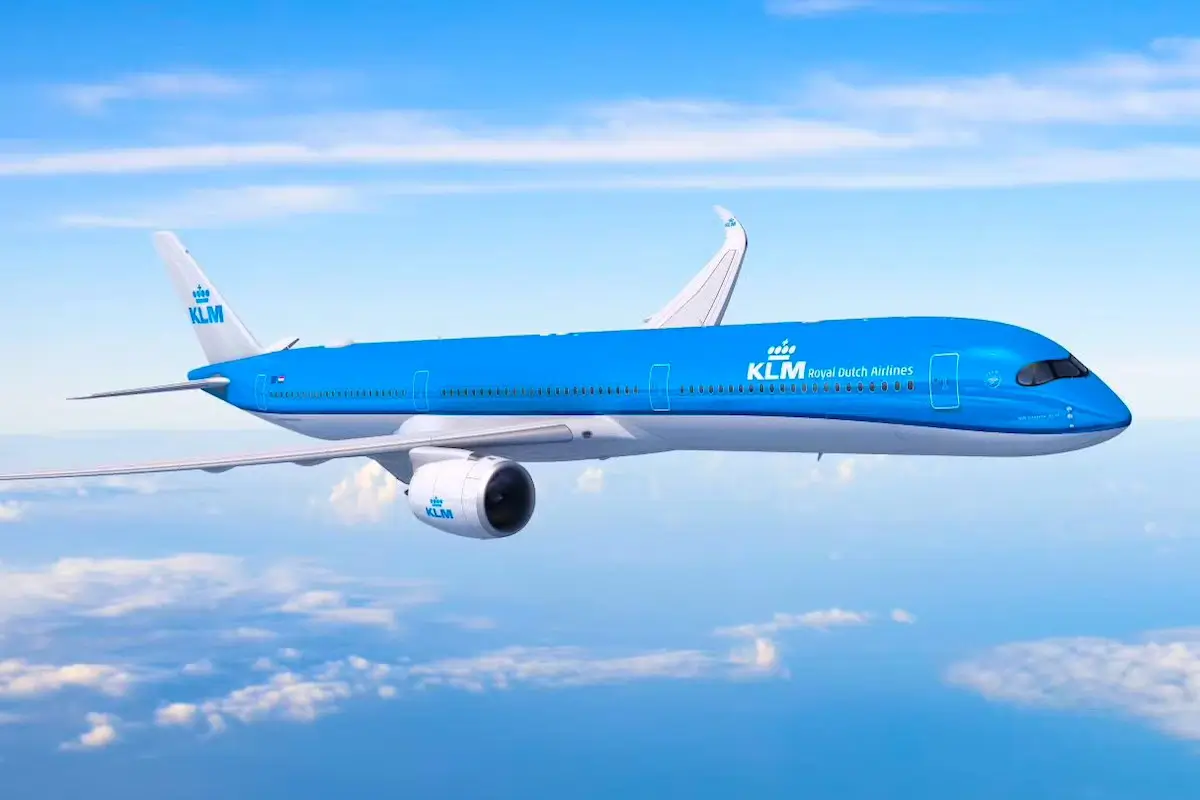
KLM’s first Airbus A350 is now moving into the final assembly halls in Toulouse, inching closer to its eventual first flight and delivery to the Dutch carrier.
As part of the airline’s broader efforts to overhaul and continue modernising its long-haul fleet, the delay should occur towards the end of the Summer 2026 schedule.
If Airbus can stick to the delivery schedule, for which it has struggled in recent years due to many factors within and beyond its control, this would set the stage for replacement efforts at KLM and usher in a new era of longer-range travel for the carrier.
With a total of 22 A350-900s joining the fleet, and the A350F also expected to be delivered for freight operations, the aircraft will become a major part of the airline’s widebody long-haul network.
Why KLM Ordered The Airbus A350
The A350 will play an important role in the renewal of KLM’s long-haul fleet and in the more specific modernisation of key parts of the fleet as the next fundamental phase.
For KLM, the aircraft itself is 25% more fuel effiienct than the Boeing 777-200ER. At the same time, a workhorse will be outgoing as part of this transition process, and the noise footprint will also be dramatically reduced, which improves overall operating costs and, beyond that, compliance with environmental regulations.

The A350 is, simply put, a cleaner, quieter, and more economical aircraft than older widebody jets, with the A330 also part of the phase-out the airline plans to complete over time.
The order also aligns with the Air France-KLM renewal strategy, which aims to achieve greater competitiveness across airlines and a reliance on next-generation jets that are flexible, whether in passenger or freighter configurations, with expected additions such as the Airbus A350 Freighter.
Overall, it’s also part of a €7 billion investment in fleet renewal over the coming years, which is not limited to the Airbus widebody but also includes aircraft like the A321neo and even the Embraer E195-E2 for the KLM CityHopper routes.
What About For Passengers?
Any new aircraft is met with anticipation and excitement. In this case, that’s no different, with customers expected to receive one of the freshest long-haul products thanks to the aircraft’s youthful nature.
Beyond just the cabin, these new planes will ultimately replace older, more tired aircraft that lack the same levels of jet lag prevention, efficiency, and so forth, given the advancements already made over older jets.

The Airbus A350 network is also beginning to take shape, with markets such as Toronto expected to be among the first to take on the jet. Still, in time, the network will be optimised with available assets, including the Boeing 787, which is already in service.
As the A350 represents not just growth efforts but also the effective swapping out of older planes, much of the A350’s presence will be in existing markets that receive older jets from the Dutch carrier.

ABOUT THE AUTHOR
Daniel Fowkes is a Melbourne-based aviation analyst and journalist with over a decade of industry experience. As founder of Dj’s Aviation, he delivers trusted analysis on aircraft, airline strategy and global aviation trends for djsaviation.net
Related Articles




Stay Informed
Get the latest aviation news, analysis and route updates delivered to your inbox.
We respect your privacy. Unsubscribe at any time.
Enjoyed this story?
Make us your go-to for aviation news
Add us as a preferred source on Google and see our latest stories first in Top Stories.
Add Us On Your News FeedRelated articles
· Airlines
Allegiant Air Buys Six More 737-8s From Boeing
Daniel Fowkes
26/10/2026
· Airlines
Emirates vs Qatar Airways: The Gulf Superhub Rivalry Compared
Bryan Shelmon
26/10/2026
· Airlines
Riyadh Air Is Moving Away From Riyadh
Daniel Fowkes
26/10/2026
· Airlines
Emirates Isn’t Worried At All
Daniel Fowkes
25/10/2026