
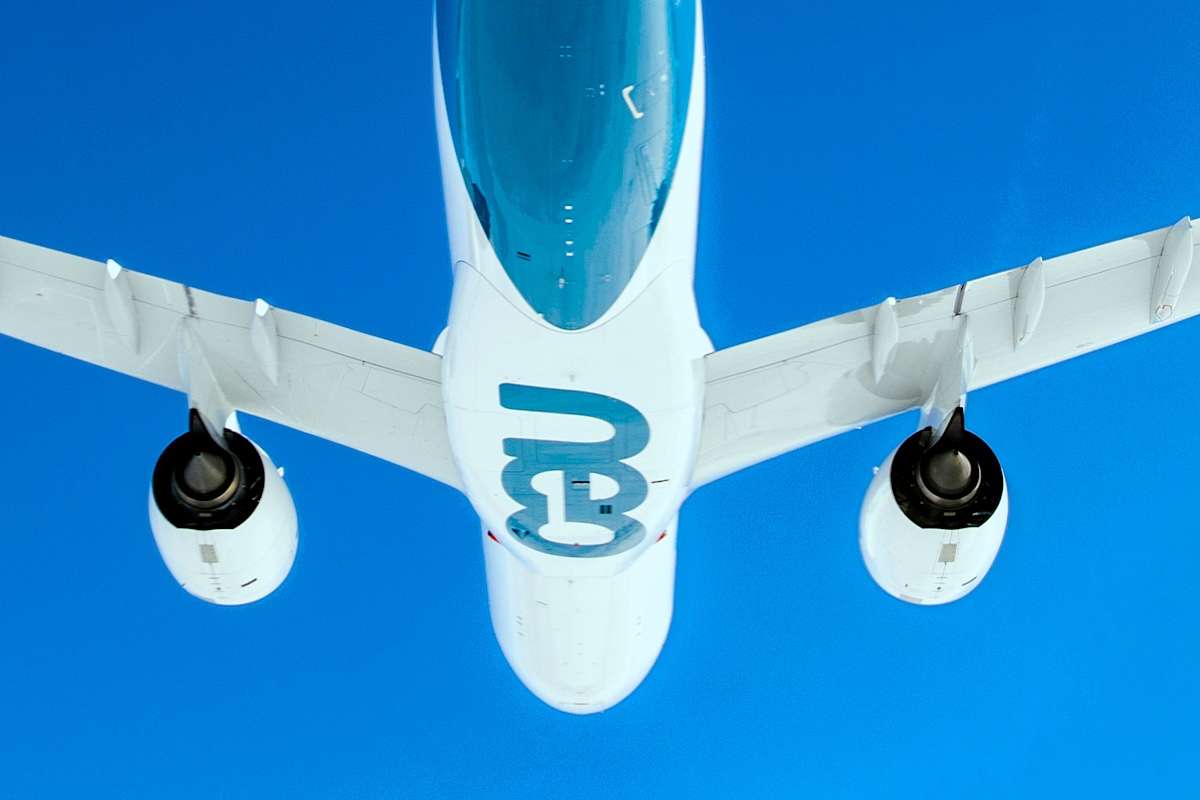
Airus could be set to secure another order for its in-demand A330neo with GOL preparing to acquire the jet on a stronger basis.
Executives have openly talked about bringing in more units of the type into the airline, as the parent Abra Group maps out long-haul connectivity and helps link Brazil in the coming decades.
A history built around the Boeing 737 is now shifting. With Airbus positioned to win the widebody business in a competitive market, it’s not only historic for the plane maker but also for the airline as it enters a new era.
GOL’s Shift To The Airbus A330neo From Boeing 737
The pivot for GOL came amid Abra Group’s decision to lease the Airbus A330neo from lessor Avolon, with deliveries scheduled for 2026 and 2027. The widebodies contracted at the Group Level had three chances to be allocated to either GOL or Avianca’s sister airline.
These aircraft will come from the existing A330neo fleet at Azul, which is shedding the jets as part of its ongoing court-supervised restructuring, and is also a fellow Brazilian carrier considered a rival. However, while a competitor may struggle, opportunities arise for others that must be taken.
The plane is for the jets to be transitioned into the Abra portfolio and then reassigned to GOL, which would give the low-cost airline access to widebodies after its 737 operations have long brought it success.
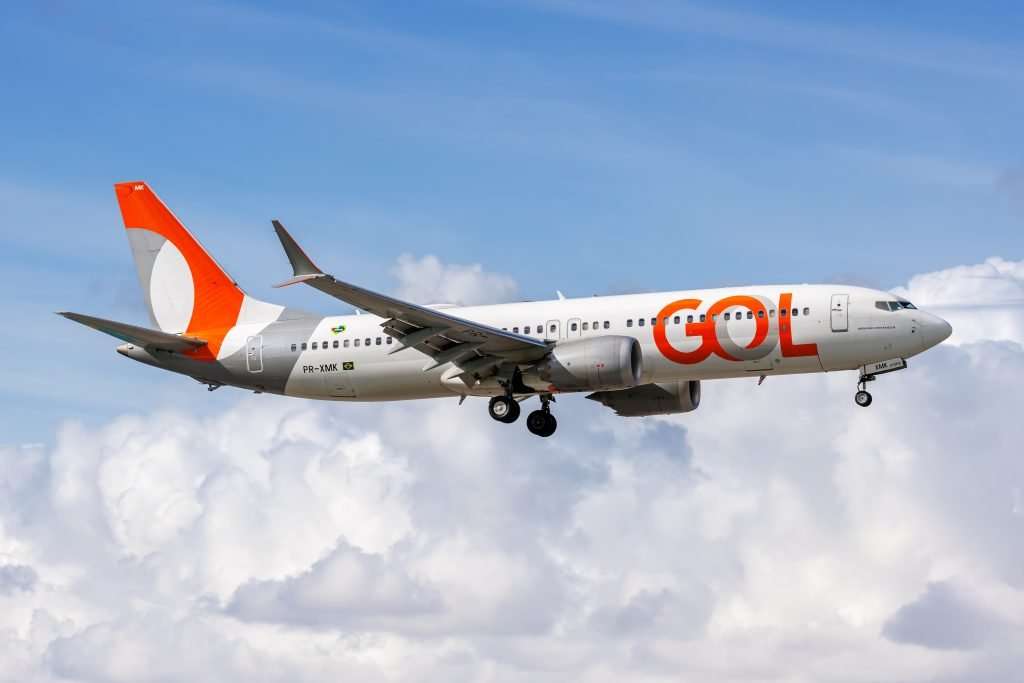
GOL has already commented on the A330neo’s role and entry into service. The report shows how the jet will begin by flying on domestic and short-haul regional routes. These routes, while not the long-term view, are to train pilots, crew and general ground teams on the new type.
It’s once the familiarization period concludes that GOL will have the confidence to send the Airbus A330neo to its intended markets, with international markets as the target. The airline plans to serve hubs in Europe and the United States, initially building direct service from several Brazilian cities over time.
New A330neo Interest From GOL
GOL hasn’t received its first Airbus A330neo, but is planning internally for the jet’s delivery and its role as a key part of its operations moving forward. Now, coverage across the industry paints the business as aggressively leaning towards the jet for the future.
Beyond the initial planes scheduled to arrive under a lease, there is a strong appetite to expand the backlog and add more A330neos, according to local media. These jets, if secured, would help build not just a small but a strong and sustainable fleet of widebodies for the future.
Available slot filings and comments from executives have highlighted that GOL has been requesting service to major international cities, such as London Heathrow, and even to destinations deep within the United States, including cities in Florida.
While the A330neo will be integral to making this happen, having an adequate number of jets will be important to avoid the initial units being stretched too thin and leaving no room to respond to potential surges in demand in the coming years.
Any aircraft selected would back up and support the initial five to be acquired through a lease with Airbus and GOL, and would need to be agreed to by the business, if not through a lessor.
Why The Need For New Planes?
GOL has yet to take delivery of its first Airbus A330neo, and therefore has yet to experience the jet and the fundamental shift in strategy. The appetite for more of the aircraft is quite noteworthy and shows the aggressiveness in expanding long-haul operations.
The A330-900 offers not just greater capacity and range but also 14% lower fuel burn than the previous-generation A330ceo, thanks to more fuel-efficient Rolls-Royce Trent 7000 engines and other refinements.
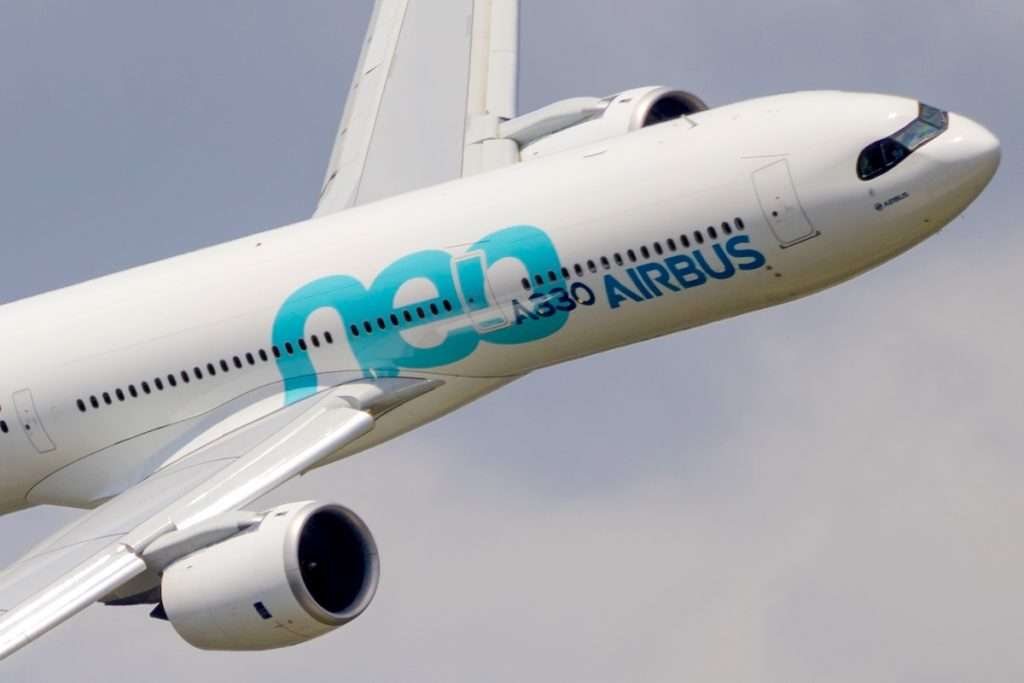
This A330neo isn’t a clean sheet; it’s an evolution of the A330ceo, and thus Airbus has been able to keep costs and commonality closely tied to the previous-generation jet and the newer model. As a consequence, it’s become a safe bet for smaller, more niche-oriented airlines looking to make a mark flying long-haul with a larger jet than a single-aisle.
Fitting into the broader Abra Group plan is also important. If the A330neo can be standardized for growth at the widebody level, training can be accelerated. In the future, maintenance and spare parts costs will not hit as hard as the economies of operating the jet improve across GOL and Avianca.

ABOUT THE AUTHOR
Daniel Fowkes is a Melbourne-based aviation analyst and journalist with over a decade of industry experience. As founder of Dj’s Aviation, he delivers trusted analysis on aircraft, airline strategy and global aviation trends for djsaviation.net
Related Articles




Stay Informed
Get the latest aviation news, analysis and route updates delivered to your inbox.
We respect your privacy. Unsubscribe at any time.
Enjoyed this story?
Make us your go-to for aviation news
Add us as a preferred source on Google and see our latest stories first in Top Stories.
Add Us On Your News FeedRelated articles
· Airlines
· Airbus A380
Would The Airbus A380 Work In India?
Bryan Shelmon
24/09/2026
· Aircraft
· Airbus
· Airlines
Airbus’ Forgotten A350-800 Order
Bryan Shelmon
24/09/2026
· Aircraft
· Airbus
· Routes
Airbus A321XLR Route Map: How One Jet Opens Thin Long-Haul Market
Bryan Shelmon
23/09/2026
· Analysis
· Airbus
· Aircraft
· Boeing
Airbus A350-1000 vs Boeing 777-9: The Next-Gen Widebody Matchup
Bryan Shelmon
22/09/2026