
Southwest Airlines is known for flying a Boeing-only fleet. However, that almost wasn’t the case.
Due to Boeing quality-control issues and uncertainties in its aircraft deliveries, Southwest began exploring an alternative with Airbus to replace its rapidly aging fleet.
Several factors ultimately persuaded Southwest that remaining loyal to Boeing was preferred. It’s vital to explore what went into their decision and why Boeing aircraft remain the right choice for the carrier.
Southwest’s 737 Only Identity Explored
Southwest Airlines flew its first flight in 1971, and ever since, it’s been a climb to become one of the largest, most profitable airlines in the world. It currently ranks as the 4th-largest airline in the US and has a top-5 fleet globally.
One of the defining factors for Southwest’s success is its fleet. The airline launched its inaugural flight on the Boeing 737-200 and continues to operate only 737 variants. As one of the best customers of the 737, including serving as a launch airline for several models in the series, the aircraft has met every need for Southwest.
Southwest Airlines operates on a point-to-point model. This model works best with smaller aircraft, enabling them to land at a wider range of airports. The Boeing 737 is a single-aisle aircraft that’s the perfect size for this unique operation.
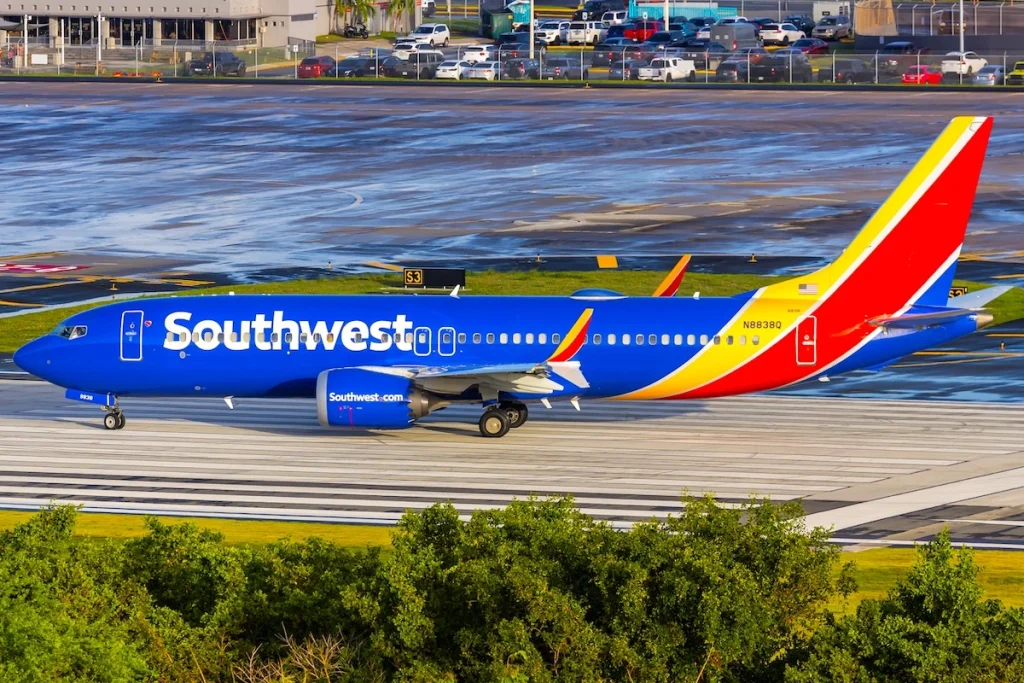
As of 2026, Southwest has more than 800 737s in its fleet, including nearly 300 737-700s, nearly 200 737-800s, more than 300 737 MAX 8s, and hundreds more on order.
This single-variant style is unique, especially for a commercial airline as large as Southwest. However, relying on this single aircraft type proved to be the ultimate risk as it navigated one of the most tumultuous periods in airline news in the last decade.
Why Southwest Had Its Loyalty Tested
Headlining news broke in late October 2018 that a brand-new Boeing 737 MAX 8 from Lion Air fatally crashed in Jakarta, Indonesia. One incident can be a stroke of bad luck and considered an outlier. However, with a second fatal crash months later in March 2019 on Ethiopian Airlines, alarms were raised across the entire industry that the Boeing 737 MAX was the cause, and the aircraft was effectively grounded globally.
The events immediately impacted Southwest Airlines. It was a pivotal period for the airline, as it added the 737 MAX to its fleet to expand its long-haul operations between the mainland US and Hawaii.
It ordered 150 737s back in 2011 as its global launch airline and received delivery in 2017, with more than 100 expected through 2019. With the FAA’s order grounding the aircraft, Southwest’s capacity was significantly reduced, with more than 30 aircraft grounded and uncertainty about when they’ll be able to fly again.
As the airline continued to face Boeing’s manufacturing challenges in recertifying the aircraft and a changed consumer perception about flying on a Boeing plane, the COVID-19 pandemic, a year later in 2020, posed an even greater obstacle for the airline by halting all flights.
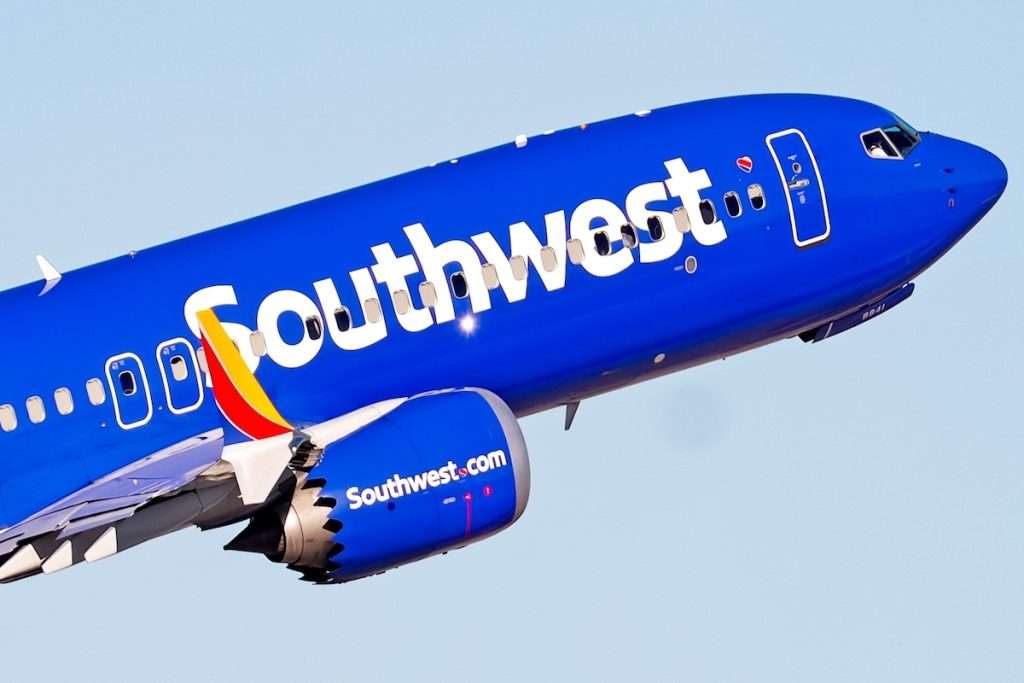
Southwest was still committed to Boeing at this time, awaiting delivery of its aircraft backlog. However, the third strike against the Boeing 737 MAX came just a few years later, in 2024, when a panel blowout during an Alaska Airlines flight spiralled the MAX back into a new crisis.
This series of unfortunate events was enough to make the business reconsider its long-time commitment to Boeing.
Airbus Sees a Chance to Steal Southwest Away
Airbus became the go-to aircraft in the wake of Boeing’s ongoing crisis. This period propelled the A320 family to become the best-selling and most-delivered commercial aircraft in history, as many airlines worldwide changed their orders from Boeing to Airbus. Southwest also picked up the phone to call Airbus to the rescue.
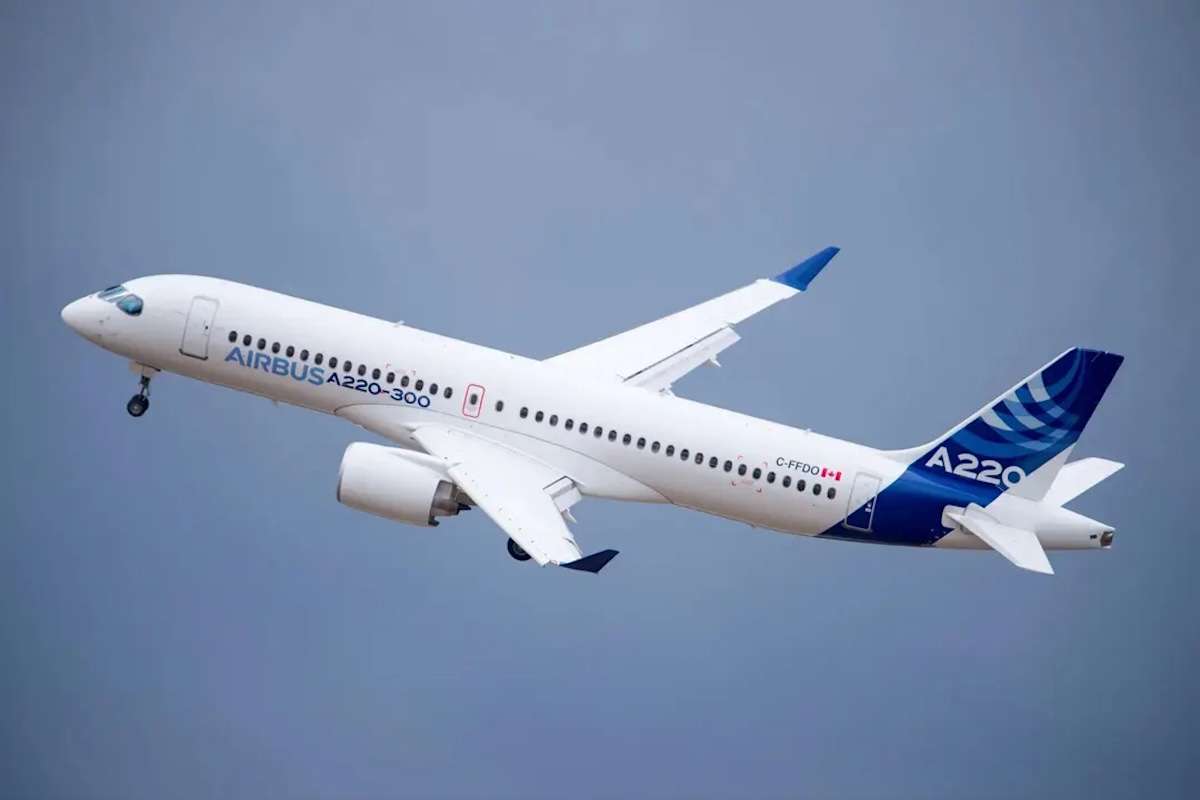
Given Southwest’s niche operation, the A220-300 was considered the perfect fit for point-to-point routes. It’s one of the only times the carrier considered deviating from the 737, and the A220 was worth taking a closer look. Especially with consumer hesitation about flying Boeing, the only aircraft in the fleet.
The A220-300 is one of the most comparable aircraft to the 737 MAX and 737-700. It’s a narrow-body aircraft that serves the 100-150-passenger market that Southwest covets. The A220-300 is also a lighter aircraft, which would reduce fuel burn for better operational efficiency.
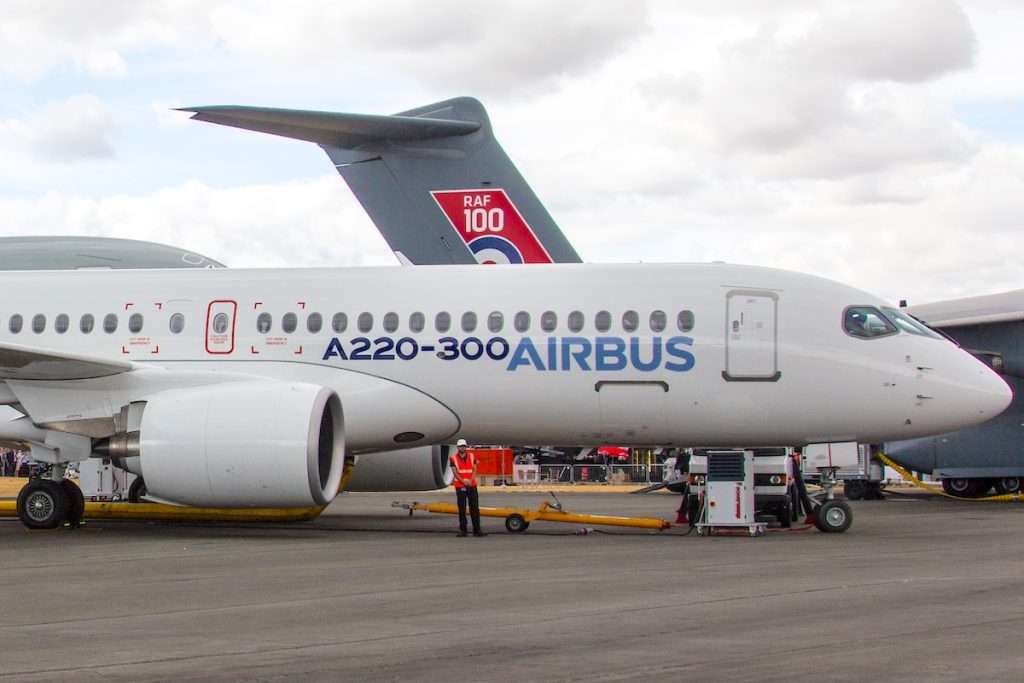
It was a timely matter for Southwest Airlines because it had an aging fleet and was in the midst of renewing its older planes when the Boeing 737 MAX crisis occurred. With uncertainty about Boeing and delivery delays, it knew it could rely on the Airbus A220-300 to be delivered as soon as it placed an order.
Why Did Southwest Stay With Boeing?
It would be a completely different story if Southwest chose Airbus over Boeing. However, the U.S. carrier concluded that Boeing remained the best partner and ultimately did not place an order for the A220-300. The better question is why?
Southwest has a long-standing reputation for flying the 737. Adding the A220-300 would cause a massive shift in the airline’s operation from a financial standpoint.
Flying a single-aircraft fleet streamlines all of Southwest’s operations. All of its pilots are certified to fly the 737, and new crew members can be easily trained on the aircraft, making schedule and route changes easier if necessary. More aircraft variants can also increase maintenance costs due to a mix of repair parts and the need to employ skilled workers for different aircraft.
Lastly, Southwest benefits from economies of scale, which can significantly impact a company’s profit margins. The reliance on smaller aircraft like the 737 means it must keep more planes in the air and at full capacity as much as possible.
Any cost savings from purchasing its fleet and operation costs can add much-needed breathing room to the airline’s bottom line. With its relationship with Boeing dating back more than half a century and its track record against other legacy airlines, Southwest is likely getting much better rates on aircraft purchases due to its scale.
For now, the well-established carrier remains loyal to Boeing, with hundreds of 737 family aircraft currently on order for delivery. And as the dust settles from the Boeing 737 MAX crisis, it’s not showing signs of slowing down with the upcoming debut of a brand new model on Southwest Airlines.

ABOUT THE AUTHOR
Bryan Shelmon is an aviation journalist with 10 years of experience covering commercial aviation, private aviation, airports, aircraft and wider industry news. Based in the Detroit metropolitan area, he has contributed to publications including Lonely Planet, Matador Network and Visit Detroit.
Related Articles




Stay Informed
Get the latest aviation news, analysis and route updates delivered to your inbox.
We respect your privacy. Unsubscribe at any time.
Enjoyed this story?
Make us your go-to for aviation news
Add us as a preferred source on Google and see our latest stories first in Top Stories.
Add Us On Your News FeedRelated articles
· Airlines
Allegiant Air Buys Six More 737-8s From Boeing
Daniel Fowkes
26/10/2026
· Airlines
Emirates vs Qatar Airways: The Gulf Superhub Rivalry Compared
Bryan Shelmon
26/10/2026
· Airlines
Riyadh Air Is Moving Away From Riyadh
Daniel Fowkes
26/10/2026
· Airlines
Emirates Isn’t Worried At All
Daniel Fowkes
25/10/2026