
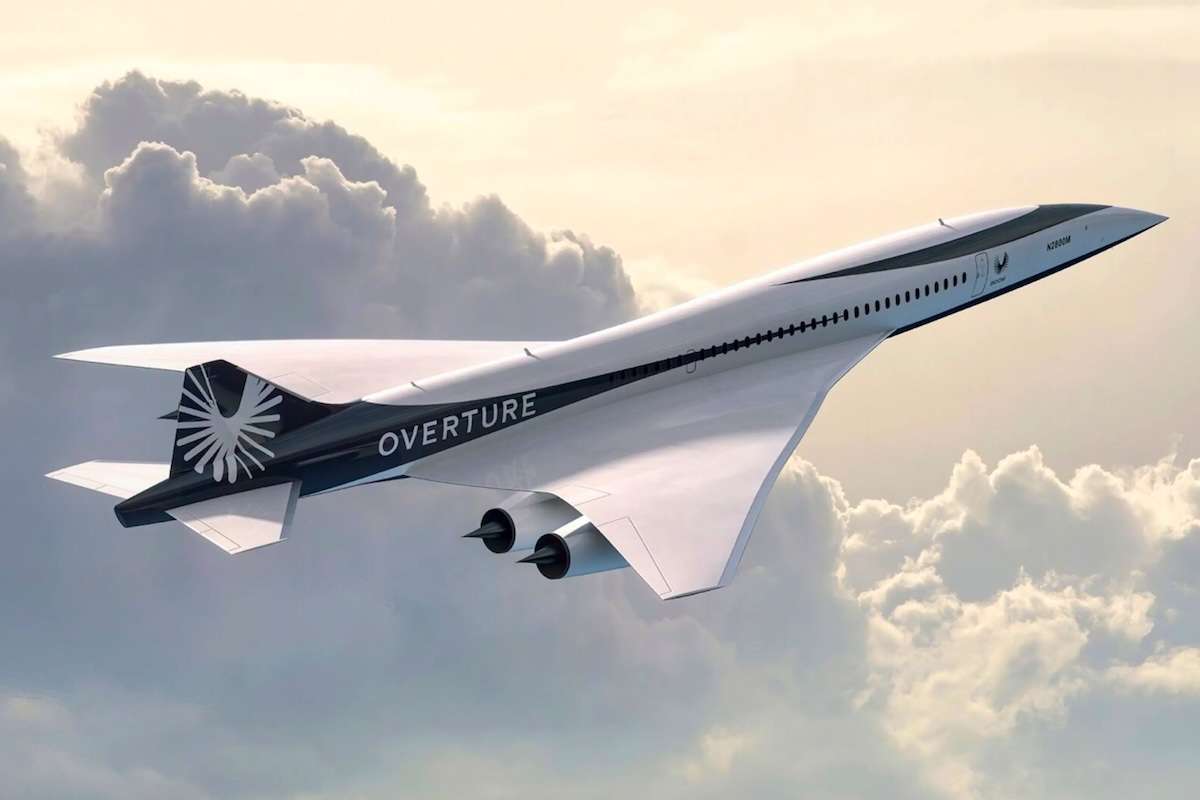
Boom Supersonic may be getting closer to what it needs to see a launch occur as the US moves to replace a 50-year ban on overland supersonic flight with a new noise-based standard.
The regulatory shift would improve Boom Supersonic’s chances of operating Overture on more routes, but only if it can get its ambitious project off the ground.
A New US Plan For Supersonic Flight
In June 2026, right at the end of the month, US regulators unveiled a fresh proposed rule that would end a blanket prohibition on the flying of civil aircraft faster than Mach 1 over land.
This ban in question has been in place since the 1970s and stems directly from the descriptive sonic booms the country sought to block for many reasons. However, under a revised draft, the old ban would be replaced with a system that allows supersonic flights, provided they stay within the defined noise limits on the ground.
That proposed rule is part of a much broader push led by the current US Government to lead the world back into an era of supersonic flight, where travel times are slashed dramatically, and the world becomes an oyster for passengers.
The FAA’s proposal seeks to revise the noise-based certification standards for supersonic aircraft to ensure they do not exceed 0.11 pounds per square foot (psf). What this means is that supersonic travel would, instead of being an explosive boom as in the past, be quieter for those at ground level and more like a slamming door.

Separate technologies for both takeoff and landing noise are also expected to be in the works and finalised next year as part of much broader efforts by the FAA to finalise measures surrounding supersonic flight and longstanding concerns.
What Does This Mean For Boom Supersonic
Beyond the US Government, military tests, and more, Boom Supersonic is one of the more ambitious third parties keen on returning to the era of supersonic flight with its Overture. This panned commercial jet, which has endured a quiet 2026, aims to offer supersonic flights by the end of the decade over both land and water.
However, to unlock the true economics laid out, the overland component is important for that to take shape; there has to be some relaxation of the overall regulations that have been in place. The shift away from the ban and into a more noise-based regime does exactly what Boom Supersonic needs to put in front of thresholds where flight would be permitted.
Boom has made progress with its one-third-scale XB-1, having achieved its first flight, and the required FAA authorization to exceed Mach 1, providing real-world experience on a supersonic platform and communication lines with the regulator in the USA.
Furthermore, the Overture Factory has come together as a vital assembly line for aircraft production, and suppliers are also working closely with the company to support the structure and the in-house Symphony engine concept.
However, the timeline for the business has slipped on multiple occasions, with a rollout initially expected and the first flight within the next 18 months. This is no easy feat; it’s ambitious, comes with risks and doubts. The timeline outlined by Boom Supersonic was therefore never considered realistic.
Boom Supersonic Still Needs A Lot
While the easing of supersonic restrictions over land brings the business closer to feasibility in launching its Overture, that ultimately forms one pillar; arguably, the most challenging angles still sit firmly in front of it.
Technically, the business has to continue to establish a supply chain for the structures necessary to make this plane possible, on a realistic budget and schedule. With such an investment, sourcing the funds is another challenge. Start-ups like these can chew through funds, and having an unlimited supply from a willing investor isn’t always possible.
Boom needs to continue to lock in and retain airline customers. Financing revenue from pre-orders can help, but there isn’t yet a robust enough backlog of committed orders for Overture.
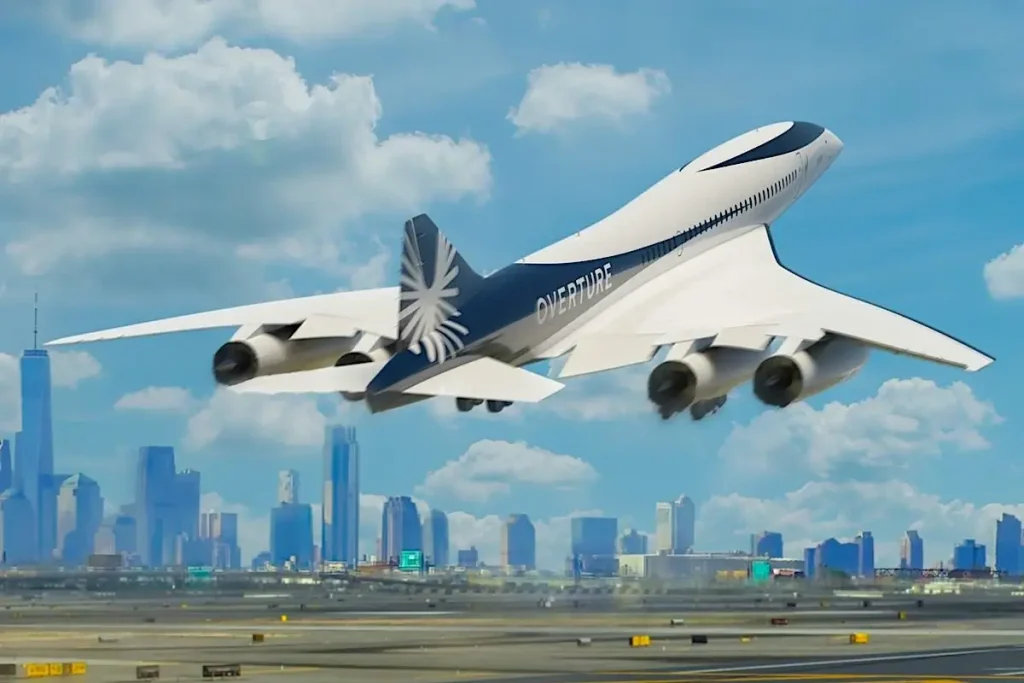
Those pre-orders have also come under heavy fire, with the parties having easy ways to get out of their respective contracts, thus making the deals seem more like a PR move. Even beyond the pre-orders, there needs to be a business case in which airlines are willing to commit to the jet, which Boom Supersonic says there is.
With the odds stacked against it, the regulations make Boom’s vision slightly more plausible, but they do not mean that it’ll be able to make the most of this fundamentally. With so many barriers in place, tight timelines, and technical, regulatory, and financial risks associated with the less-than-conventional plane, a lot has to go right.
The overly optimistic projections for the rollout, first flight, and entry into service were already unlikely, and that has now become absolutely clear as 2026 has progressed. Analysts have their doubts about funding, development, and certification, but Boom remains committed.
Ultimately, the US Government and regulators looking to relax restrictions is one thing, but having someone that can come in and determine when and how supersonic flight can recommence with passengers is another. Boom Supersonic hopes to be that answer, but the odds are certainly stacked against it.

ABOUT THE AUTHOR
Daniel Fowkes is a Melbourne-based aviation analyst and journalist with over a decade of industry experience. As founder of Dj’s Aviation, he delivers trusted analysis on aircraft, airline strategy and global aviation trends for djsaviation.net
Leave a Reply
Related Articles




Stay Informed
Get the latest aviation news, analysis and route updates delivered to your inbox.
We respect your privacy. Unsubscribe at any time.
Enjoyed this story?
Make us your go-to for aviation news
Add us as a preferred source on Google and see our latest stories first in Top Stories.
Add Us On Your News Feed
Como siempre, la hipocresia USA. Como el Concorde era europeo, y no tuvieron nunca capacidad de competir, simplemente lo prohibieron.
Ahora que ya tienen capacidad, se acabaron las prohibiciones y llegaran con las prisas para que los demás lo permitan lo que ellos han prohibido 40 años.