
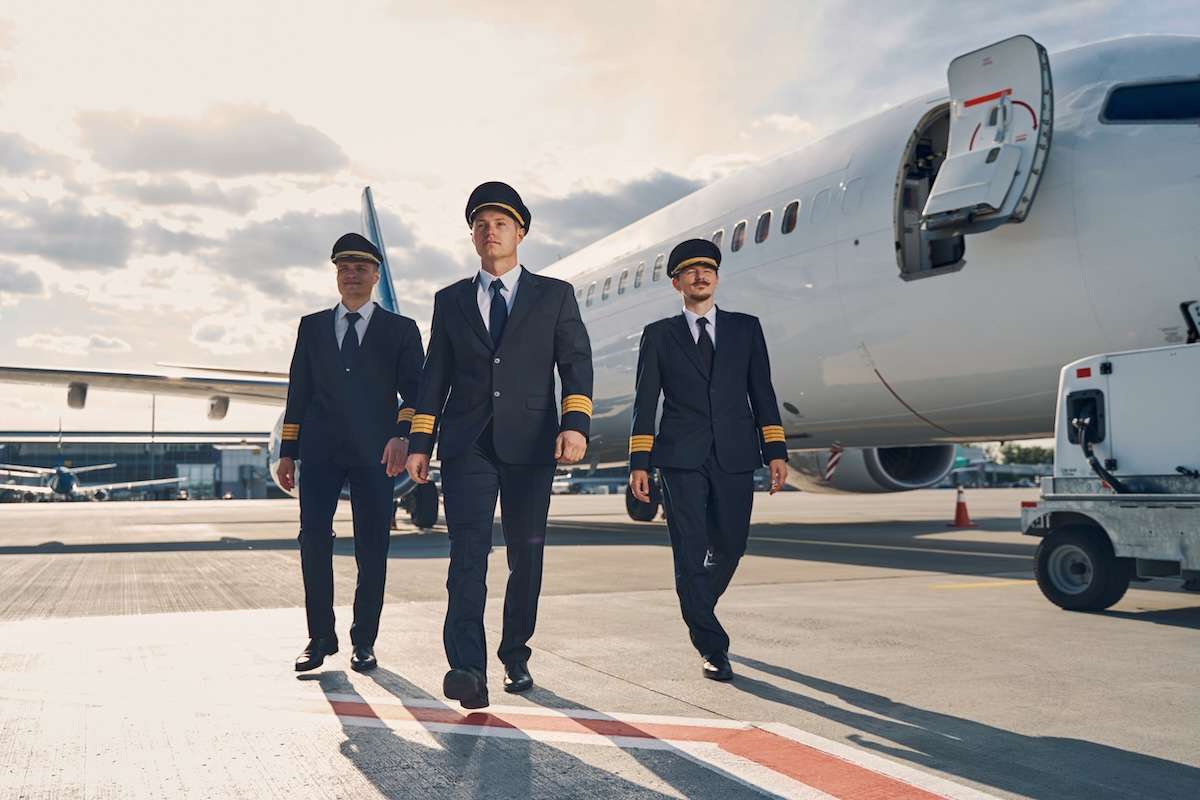
The time it takes to become a pilot depends on the type of pilot career you want. A student who only wants to fly recreationally can earn a Private Pilot License much faster than someone aiming for a professional cockpit in an airline.
In 2026, the realistic timeline can range from a few months for a private pilot certificate to around two to four years for a commercial or airline-focused pathway.
For most aspiring professional pilots, the journey is not one single course. It is a sequence of milestones: private pilot training, instrument rating, commercial pilot certification, multi-engine training, instructor or hour-building work, and eventually Airline Transport Pilot qualification.
The fastest students can move through the early training stages in a structured full-time program, while part-time students may take much longer because weather, budget, aircraft availability, instructor scheduling, and personal commitments all affect progress.
A useful way to think about the timeline is this: learning to fly can happen relatively quickly, but becoming professionally employable takes longer because airlines and commercial operators need documented flight experience, not just classroom knowledge. The real clock is not only measured in months. It is also measured in flight hours, checkrides, written exams, medical eligibility, and hiring requirements.
Mapping the Pilot Journey: A High-Level Timeline for 2026
A pilot training roadmap usually begins with the Private Pilot License (PPL). This gives a student the foundation to fly safely, carry passengers, and understand basic aircraft handling, navigation, weather, regulations, and communication. From there, a career-minded pilot usually adds an instrument rating, which allows them to fly in a wider range of weather conditions by reference to instruments.
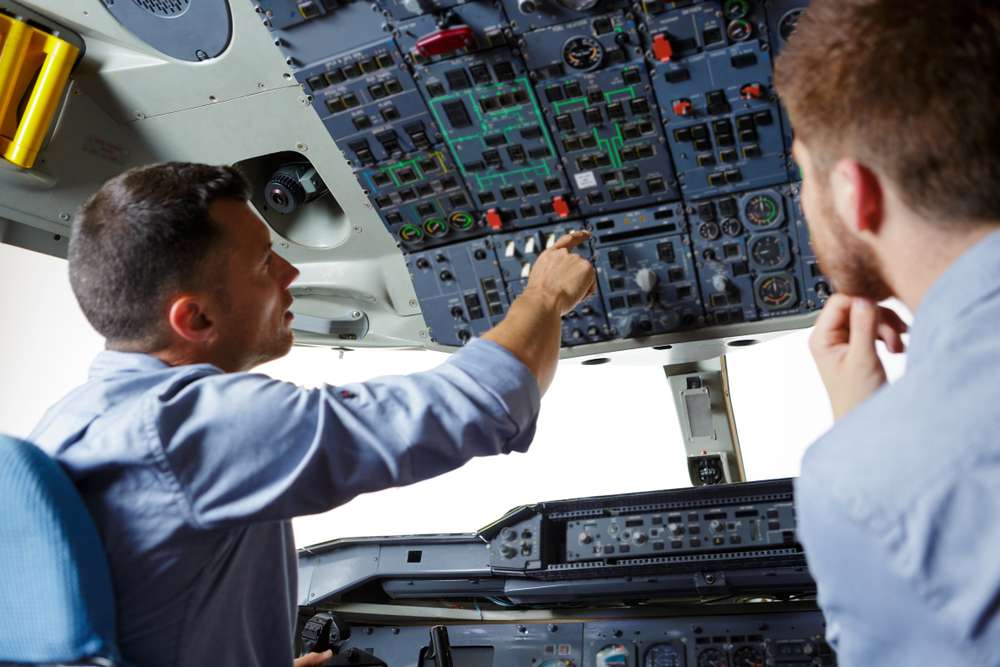
After the instrument rating, the next major step is the Commercial Pilot Certificate. This is the licence level that allows a pilot to be paid for flying, although it does not automatically qualify someone for airline work. Many pilots then add a Certified Flight Instructor rating, build time by teaching, and work toward the flight-hour threshold needed for airline eligibility.
Estimated Pilot Training Timeline Snapshot for 2026
| Stage | Typical Timeframe | Core Goal | Context |
| Private Pilot License | 2 to 6 months full-time or longer part-time | Learn the foundation of flying | The FAA minimum is 40 flight hours, but many students need more time before checkride readiness. |
| Instrument Rating | 2 to 4 months full-time | Build weather and navigation capability | Often completed after the PPL and before commercial training. |
| Commercial Pilot Certificate | 3 to 6 months after instrument training | Become eligible to be paid for flying | In the U.S., airplane applicants generally need 250 total flight hours under Part 61 rules. |
| CFI / Hour Building | 12 to 24 months or more | Accumulate professional flight experience | Many pilots instruct, fly surveys, tow banners, or take entry-level commercial jobs to build hours. |
| ATP / Airline Eligibility | Usually around 2 to 4 years from the start | Meet airline-level flight experience requirements | Most U.S. airline pilots need 1,500 total hours for ATP eligibility, with some restricted ATP pathways available. |
These timelines are not fixed promises. A student attending a full-time academy with reliable access to aircraft may progress much faster than a student flying only on weekends. On the other hand, a motivated part-time student can still progress steadily if they fly consistently, study between lessons, and avoid long gaps between training flights.
Phase 1: Obtaining the Private Pilot License Foundation
The Private Pilot License is usually the first major milestone. It teaches the essential skills required to operate an aircraft safely, including takeoff, landing, basic manoeuvres, navigation, radio communication, emergency procedures, and flight planning. For many people, this is the stage where aviation changes from an interest into a real skill set.
In the United States, the FAA minimum for a private pilot certificate is 40 hours of flight time for airplanes, helicopters, and gyroplanes. However, the practical timeline is often longer because students need to reach the checkride standard, not just log the minimum number of hours. Weather cancellations, instructor changes, aircraft maintenance, and gaps between lessons can all stretch the timeline.
A full-time student may complete the PPL in two to three months if training conditions are stable. A part-time student flying once or twice a week may take six months or more. The biggest advantage is consistency. Flying several times per week helps a student retain skills, reduce repeated lessons, and reach checkride readiness faster.
Phase 2: Instrument Rating and Weather Confidence
After the PPL, many career-focused pilots move into instrument training. This stage is important because professional pilots cannot rely only on clear-weather flying. The instrument rating teaches a pilot to fly by reference to cockpit instruments, manage air traffic control clearances, follow instrument procedures, and operate safely when visibility or cloud conditions require it.
The instrument rating can take roughly two to four months in a full-time environment, although part-time students may take longer. This is one of the most technically demanding early stages because the student must think ahead, manage workload, interpret procedures, and maintain aircraft control with fewer outside visual references.
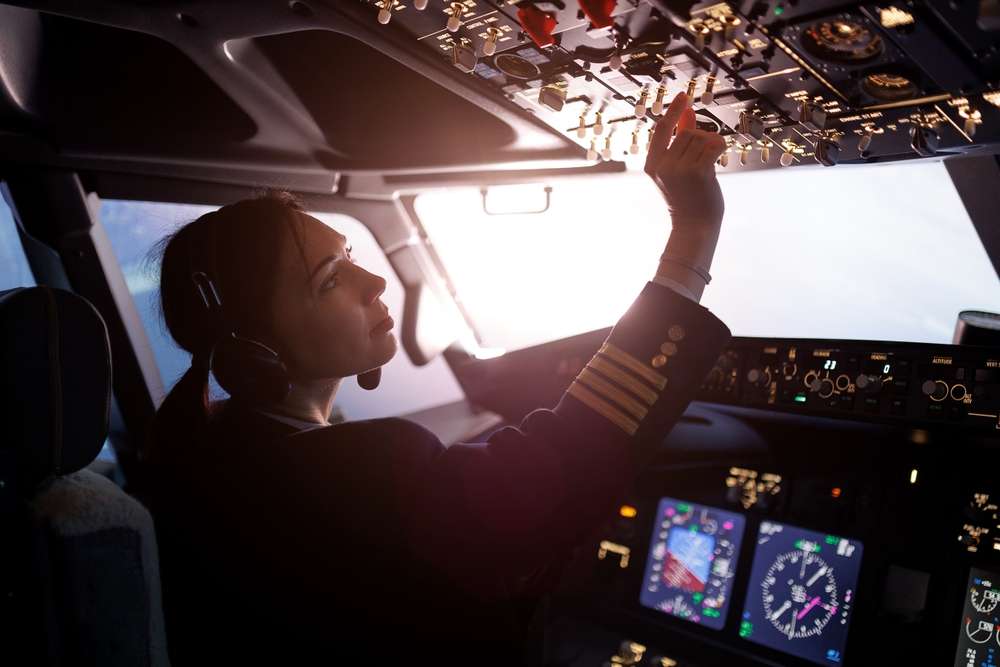
For future airline or commercial pilots, instrument training is not just an add-on. It becomes the foundation for advanced flying, cross-country work, multi-engine operations, and eventually airline-style procedures.
Professional Certification: The Path to Commercial Mastery
The Commercial Pilot Certificate marks the point at which the training pathway becomes more career-focused. A private pilot can fly for personal purposes, but a commercial pilot can be compensated for certain types of flying, subject to regulations and job requirements. This is why the commercial certificate is a major milestone for anyone who wants aviation to become a profession.
Under U.S. Part 61 rules, an airplane applicant generally needs at least 250 total flight hours for a commercial pilot certificate. The training also demands a higher level of precision, decision-making, aircraft handling, and professionalism than private pilot training. Students learn advanced manoeuvres, commercial operations, and higher standards of control.
For a student moving efficiently through full-time training, the commercial stage may be reached within several months after the PPL and instrument rating. For part-time students, the timeline can stretch significantly because they must accumulate enough total time while maintaining proficiency.
The 1,500-Hour Barrier: Technical Strategies for Fast Hour Building
For pilots aiming at U.S. airline careers, the 1,500-hour requirement is one of the biggest timeline factors. The early certificates may be completed in months, but building enough experience for airline eligibility usually takes much longer. This is the stage where many aspiring airline pilots move from student mode into professional time-building work.
The common route is to become a Certified Flight Instructor. Teaching allows pilots to build flight hours while improving their own understanding of aircraft handling, weather, regulations, communication, and decision-making. Other time-building options may include aerial survey, pipeline patrol, skydive operations, banner towing, ferry flying, or entry-level commercial roles, depending on qualifications and local opportunities.

Fast hour building is not only about flying as much as possible. It is about building a high-quality experience that develops judgment and employability. Airlines and operators value total time, but they also consider training history, safety record, professionalism, multi-engine experience, instrument skills, and how well a candidate performs in interviews and simulator evaluations.
Financial Efficiency: Balancing Training Speed with Total Cost
Pilot training can become more expensive when it is stretched out too long. Long gaps between lessons often force students to repeat manoeuvres, rebuild confidence, and spend extra money regaining proficiency. In that sense, faster training can sometimes be more cost-efficient, even if the weekly spend is higher.
However, speed should not come at the expense of quality. A student who rushes through lessons without fully understanding aircraft systems, weather, performance, navigation, or decision-making may struggle later. The goal is not simply to finish quickly. The goal is to become safe, checkride-ready, and employable.
The most financially efficient students usually plan funding in advance, fly consistently, study before each lesson, use simulators where appropriate, and avoid starting a rating they cannot afford to continue. Stop-start training is one of the most common reasons a timeline becomes longer and more expensive.
External Delays: Weather, Maintenance, and Check-Ride Availability
Even the best training plan can be delayed by factors outside the student’s control. Weather is one of the biggest issues, especially for private pilot training, cross-country flights, and checkride preparation. Aircraft maintenance can also affect scheduling, particularly at smaller schools with limited fleets.
Instructor availability is another timeline factor. A student may progress quickly with a consistent instructor, but changes in instructor staffing can create delays or require additional review flights. Checkride availability can also be a bottleneck if local examiners are booked weeks in advance.
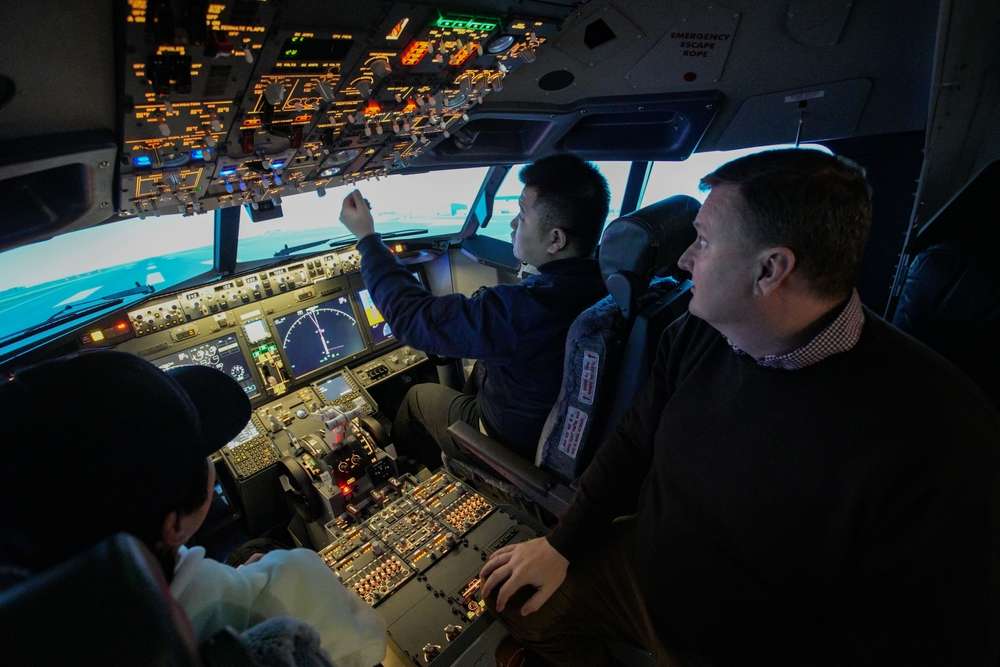
This is why realistic planning matters. A two-month PPL timeline may be possible in ideal conditions, but a student should still build in buffer time for cancellations, review lessons, written exam preparation, and examiner scheduling.
Final Verdict: How to Trim Months Off Your Pilot Training Timeline
The fastest way to become a pilot is to train consistently, prepare thoroughly, and choose a pathway that aligns with your career goals. Someone who wants to fly recreationally may only need the Private Pilot License, while someone aiming for an airline career needs to plan for multiple certificates and ratings, along with a substantial hour-building period.
In 2026, a realistic recreational pilot timeline may be a few months to a year, depending on schedule and consistency. A professional commercial pathway may take around one to two years to reach early employability. An airline-focused timeline in the United States is often closer to two to four years because of the 1,500-hour requirement and the need to build professional experience.
The key takeaway is that accelerated programs can reduce the opportunity cost of training, but the real advantage comes from discipline. Students who fly regularly, study between lessons, complete written exams early, prepare for checkrides, and avoid long training gaps are usually the ones who finish faster and spend less in the long run.

ABOUT THE AUTHOR
Daniel Fowkes is a Melbourne-based aviation analyst and journalist with over a decade of industry experience. As founder of Dj’s Aviation, he delivers trusted analysis on aircraft, airline strategy and global aviation trends for djsaviation.net
Related Articles




Stay Informed
Get the latest aviation news, analysis and route updates delivered to your inbox.
We respect your privacy. Unsubscribe at any time.
Enjoyed this story?
Make us your go-to for aviation news
Add us as a preferred source on Google and see our latest stories first in Top Stories.
Add Us On Your News FeedRelated articles
· Analysis
· Airbus
· Aircraft
· Boeing
Airbus A350-1000 vs Boeing 777-9: The Next-Gen Widebody Matchup
Bryan Shelmon
22/09/2026
· Analysis
How Long Does It Take to Become a Pilot?
Daniel Fowkes
10/09/2026
· Airlines
· Analysis
Can JetBlue Escape A Shutdown?
Daniel Fowkes
15/06/2026
· Airbus
· Aircraft
· Analysis
Airbus Being Killed By China Because Of COMAC
Daniel Fowkes
28/05/2026