
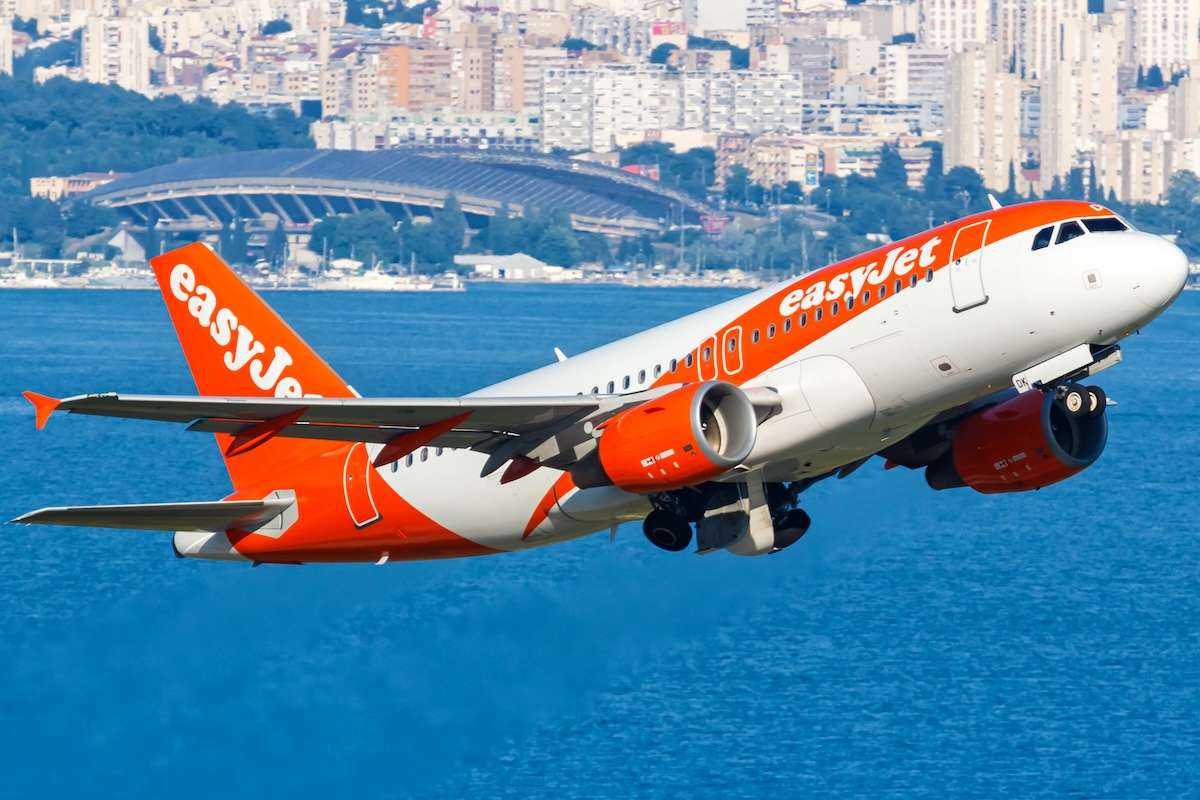
Setna iO is giving an ex-easyJet Airbus A319 one last job after retirement, ensuring its role in the industry will continue even after it ceases carrying passengers.
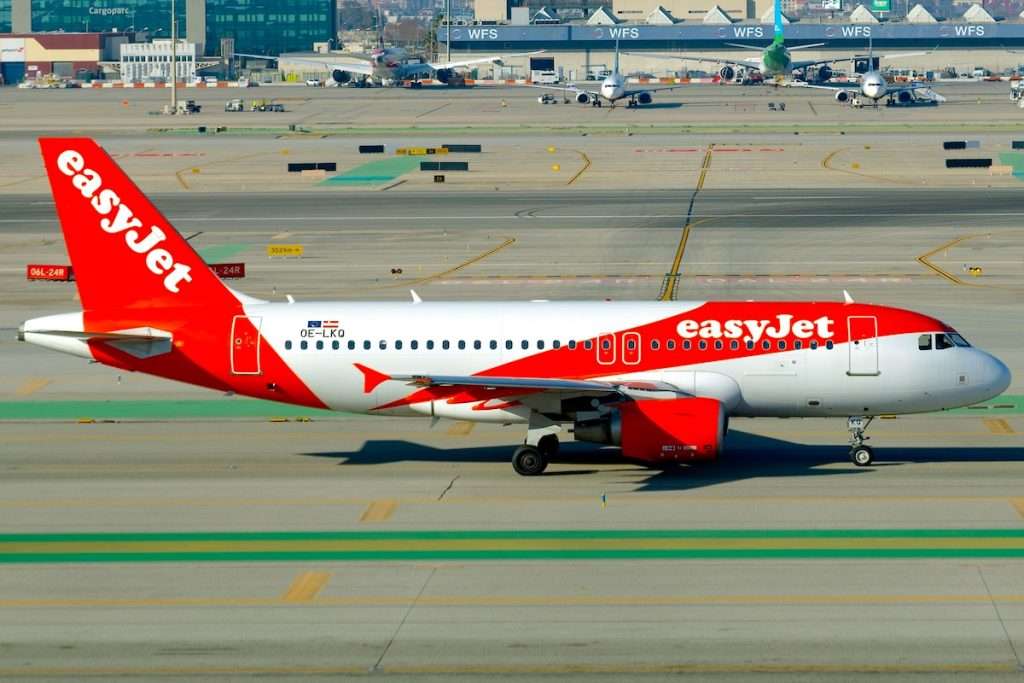
The US-based parts specialist that works closely with retired aircraft has announced the purchase of one A319-100 airframe previously part of the easyJet fleet.
The deal, which is part of a wider agreement involving three ex-easyJet aircraft from the A320 family, including the A319, is aimed at overhauling the global spare-parts market, which desperately needs additional support.
Rather than sitting in long-term storage without a purpose, the teardown, set to occur following a transfer to ecube’s facility at St Athan in Wales, will add parts to the narrowbody global market for Airbus.
easyJet’s A319 Becomes A Parts Donor
The aircraft, which is one of the many that easyJet has retired, as it begins to say goodbye to the A319 after an extended period of flying to prioritize upgauging to the A320neo and A321neo, not just for efficiency but also capacity, marks the end of an era.
A full disassembly of the newest purchase will occur at a site in St Athan, which means that once stripped of its major components, the parts, which are highly valuable even if the airline is no longer actively using the plane, will flow into the integrated repair and sales network.
Setna iO will focus on components such as the landing gear, flight controls, avionics and other related cabin fittings. These are the major components, but ultimately, they encompass so much more, with aircraft made up of many parts beyond just the most in-demand, basic, and larger ones.
Key parts are expected, once stripped, to move through a closure process with in-house and affiliated MROs as part of the agreement. There will be inspection, repair, and certification of components before they can be considered serviceable stock ready for purchase.
Ultimately, the aircraft, along with others, will become a donor to other aircraft that continue to fly with airlines. The parts are a valuable feedstock and underpin this business’s key role in supporting the aftermarket with a reliable stream of parts. Therefore, opportunities like the easyJet A319s have to be taken up.
Why The A319?
easyJet is in the midst of a fleet restoration, and with that comes a focus on what’s next for the 2030s and beyond. As part of the overhaul, the business, like many others, is moving away from older jets, especially the A319.
Not only is this aircraft part of the current engine option, thus the older family of the A320, but it also comes with a much smaller capacity compared to inbound units like the A321neo. The airline still operates many A319-100s but has committed to retiring the subfleet by the end of the decade.
Those retirements will be made possible by the accelerated delivery of the aircraft, which will be replaced with the A320neo and A321neo. These planes, while wildly more efficient for the airline, also come with a capacity bump, which, in the mid-2020s, many carriers see as the natural progression of their fleets.
A simple logic, therefore, in the aftermarket is that these outgoing A319s can be passed onto the next stage of their end of life, which doesn’t involve them fading away in the desert with no purpose. The purpose now can be a teardown, which ensures that high-quality parts can be recycled or reused, resulting in a better outcome for all parties involved.
The A319 is a common candidate around the world now, as more airlines, like easyJet, look to retire the smaller Airbus narrowbody as part of renewal and capacity upgrade efforts.
Farewell To The easyJet A319
easyJet hasn’t parked its entire fleet of Airbus A319s. However, as it continues to reduce the number of planes in service and redeploy its A320s or A321s to provide extra seats, the number of units remaining will continue to reduce.
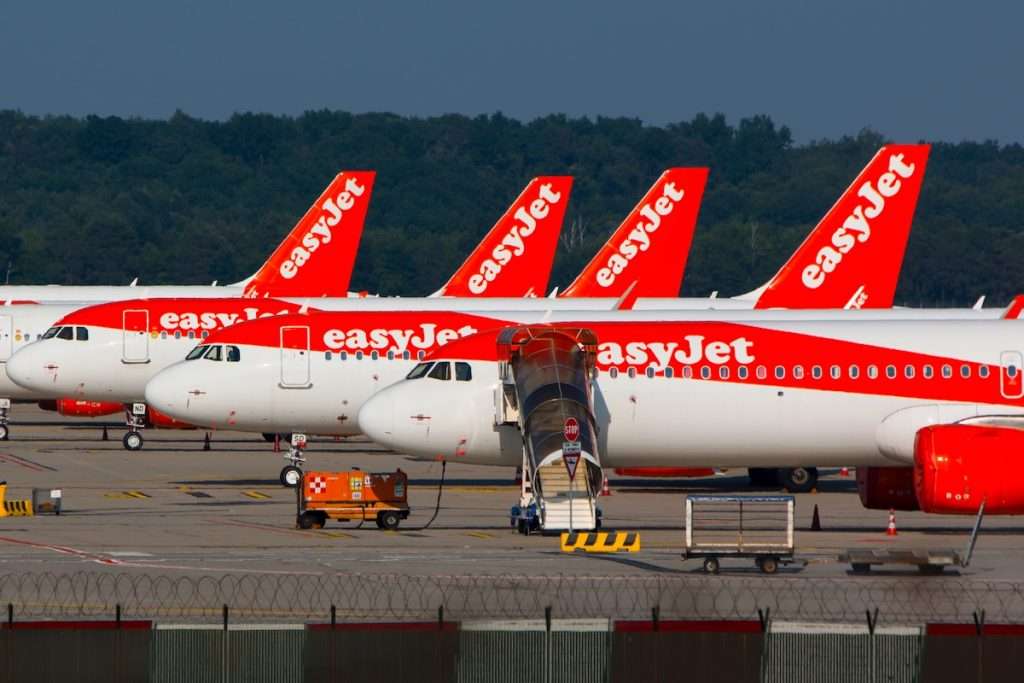
Around 40% of the A319 fleet will disappear within the next couple of years. That pace will accelerate as retirements occur in the late stages of the 2020s, when easyJet expects Airbus A320neo deliveries to pick up after supply chain woes have delayed them.
The farewell, therefore, is not an abrupt exit but rather an opportunity for each aircraft slated to depart the business to come through and present its solutions. This is not the only company that’ll be pursuing aircraft for teardowns moving forward.

ABOUT THE AUTHOR
Daniel Fowkes is a Melbourne-based aviation analyst and journalist with over a decade of industry experience. As founder of Dj’s Aviation, he delivers trusted analysis on aircraft, airline strategy and global aviation trends for djsaviation.net
Related Articles




Stay Informed
Get the latest aviation news, analysis and route updates delivered to your inbox.
We respect your privacy. Unsubscribe at any time.
Enjoyed this story?
Make us your go-to for aviation news
Add us as a preferred source on Google and see our latest stories first in Top Stories.
Add Us On Your News Feed