
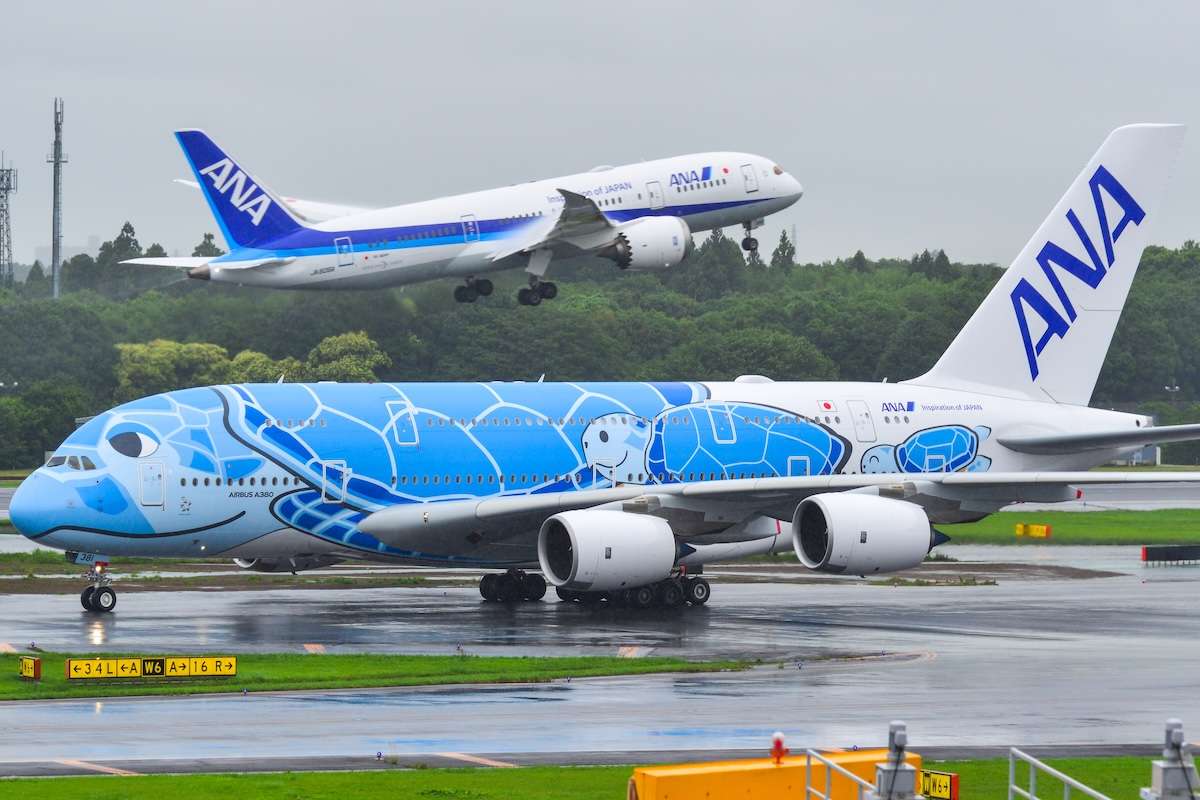
ANA is in no rush to retire its Airbus A380 fleet, albeit a tiny one, and intends to keep the model in service in the coming years.
On the sidelines of the IATA AGM in Rio de Janeiro, and as flagged by Aviation Week, the airline’s CEO, Juichi Hirasawa, said that the jet’s 2019 entry into service means the planes are young.
With the youthful A380 fleet on its side, the airline believes its three units can remain in service and remain airborne. Fundamentally, there really isn’t enough time to go out and look for a replacement for the jets.
ANA’s Curious A380 Story
ANA was the last unique customer to take delivery of the A380 and welcomed the jet at a time when Airbus was desperate for last-minute sales to justify production.
The airline, however, unlike other customers, never set out to be an operator of the superjumbo; instead, it inherited the model as part of restructuring and from Skymark Airlines, which had bought the A380 but, upon its collapse in 2014, left these partially built jets in the hands of the planemaker.
As part of a rescue deal, ANA agreed to take delivery of the three aircraft. This gave Airbus an exit strategy and allowed ANA to strengthen its position not across its international network, but specifically on one leisure route: its Tokyo-to-Honolulu flights.
The Flying Honu entered service in 2019, with all three delivered gradually as the business kitted out the jet to seat 520 passengers in four classes. A strong upper-class product means there are 8 first-class suites, 56 business-class seats, and 73 premium economy seats.
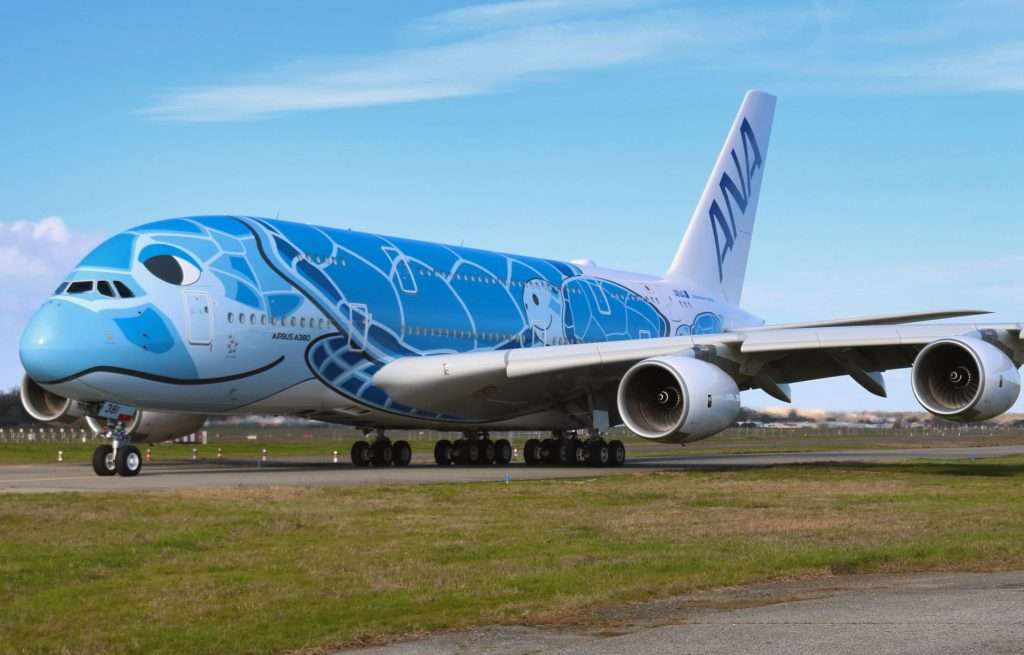
The aircraft was tailored specifically not to the vast international network but to its Honolulu flying, with a high-volume, premium-leaning holiday market benefiting from the superjumbo acting as a shuttle that freed up other widebody jets like the 777 and 787 for other international destinations.
No Retirement Yet
Hirasawa in Rio de Janeiro framed the A380 as more of a fate to be shaped by the timing and priorities of fleet development, as it charts a 2030 fleet plan.
Involved in that fleet plan is a strong emphasis on timing and on adding upcoming next-generation products, whether flagship or smaller, to aid regional connectivity.
ANA points directly to the likes of the Boeing 777-9 and Embraer E195-E2s that’ll begin being delivered over the coming years, which diverts what it describes as its already-under-pressure resources to try to bring in these brand-new aircraft types, each of which involves meticulous planning.
With that in mind, retiring the world’s largest passenger plane from its fleet entails a host of responsibilities that the airline’s resources do not readily have. As such, retaining the jet for the moment makes the most sense, not to mention the A380 is still relatively young compared to some other operators.
Additionally, there’s no obvious like-for-like replacement for the Airbus A380. While the 777-9 and A350-1000 are the largest-capacity planes in production, they still do not come close to the superjumbo’s scale.
The Airbus quad-engined beast has had a profound impact on the Honolulu service, from being neccesary to carry strong demand to being an integral part of the brand. Replacing the jet will be no easy feat, even if only 3 units were delivered to the Japanese carrier.
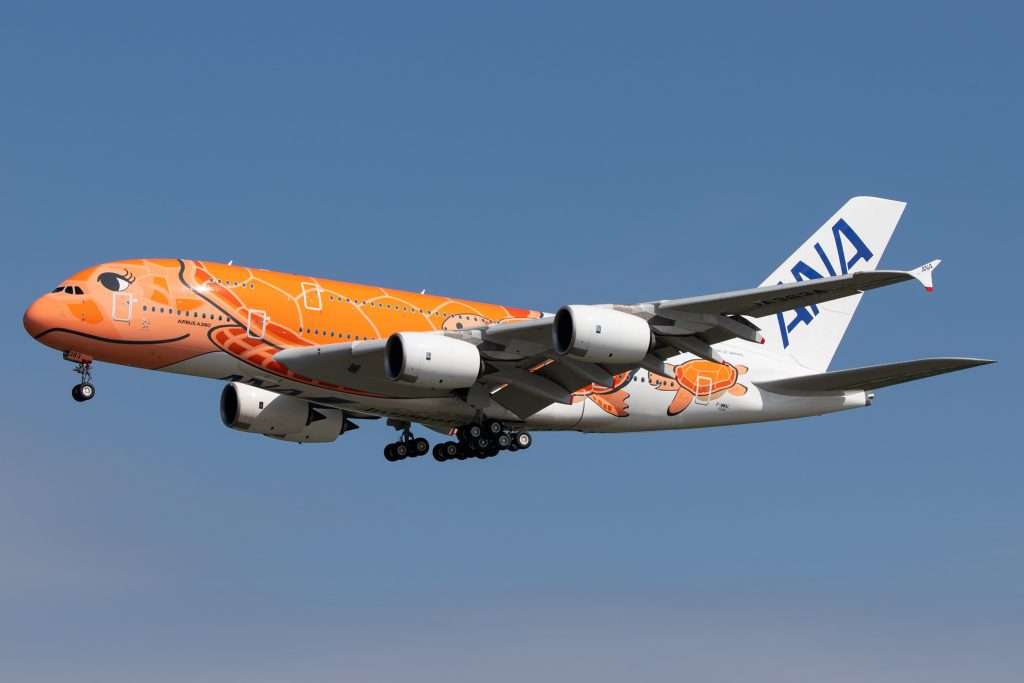
While there are opportunities for high-density configurations of the aforementioned next-generation jets that’ll likely take on the role of the A380 at some point, for now, those planes will be prioritised elsewhere rather than being viewed directly as a replacement for the Airbus A380.
This means the Airbus A380, while not a long-term solution, will remain in the ANA fleet at least into the 2030s. However, when the cabin refreshes, maintenance and more begin to see the aircraft fade out of remaining carriers, and once the 777-9 is long certified, discussions will need to be had, but that’s not now.

ABOUT THE AUTHOR
Daniel Fowkes is a Melbourne-based aviation analyst and journalist with over a decade of industry experience. As founder of Dj’s Aviation, he delivers trusted analysis on aircraft, airline strategy and global aviation trends for djsaviation.net
Related Articles




Stay Informed
Get the latest aviation news, analysis and route updates delivered to your inbox.
We respect your privacy. Unsubscribe at any time.
Enjoyed this story?
Make us your go-to for aviation news
Add us as a preferred source on Google and see our latest stories first in Top Stories.
Add Us On Your News Feed