

Airbus has spent much of 2026 talking about its upcoming A220-500 as a solution for airlines that don’t want to make the jump to the A320neo, even reportedly opening pre-orders.
However, the tone has shifted from the January 2026 report to being a big year for the program, with a launch coming as early as the Farnborough airshow for the new variant.
Now the manufacturer is taking a step back as it faces declining interest in the plane, muted performance, and ongoing unresolved issues, all on top of a programme that remains unprofitable.
6 Months Changes A Lot For Airbus
In January, Airbus quietly briefed investors and lessors that it was preparing a sales drive for the larger A220 variant, long-speculated-on and known as the A220-500, with a launch expected this year.
Given that the July edition of the Farnborough Airshow marked the midway point of the year, it was flagged internally as a potential stage for launching the new model with several anchor airlines.
As part of this early-2026 push, the manufacturer began talks with key customers who had expressed interest in such a model, whether publicly, such as Air Canada, or privately.
During those talks, Airbus made it very clear that it was looking for anchor airlines; these two to three anchors would help the planemaker secure the support it needed to give this project the formal green light.
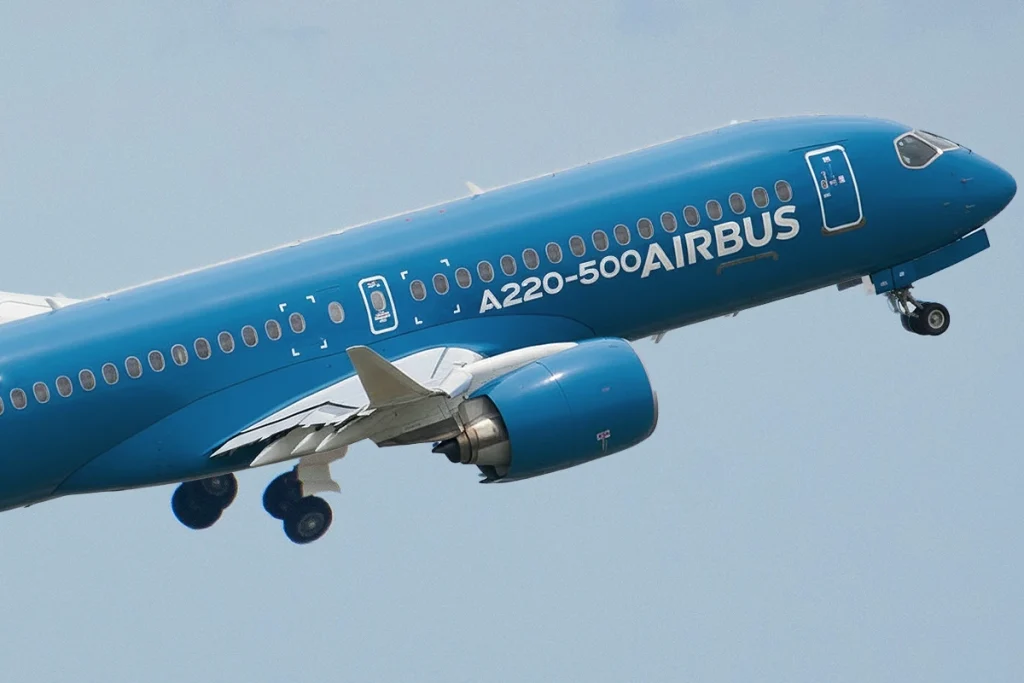
However, now five months later, confidence has cooled. With a senior Airbus executive in resh reporting over the weekend of the IATA AGM, saying that the launch of the jet at the Farnborough Airshow is low and that a 2026 launch is no longer guaranteed either.
The messaging is that all options remain on the table, and with that, no decision has been made on what the A220-500’s future looks like. This is a substantial cooling for the planemaker, which held a much more positive view at the beginning of the year.
What Has Happened?
With the A220-500 representing a simple stretch of the A220-300, aiming to add five extra frames to build out the fuselage and have 180 seats in a high-density layout, all while avoiding the need to upgrade the wings or engines, this is a model that would trim unit costs compared to the A220-300 but would impact range.
As a result, with a shorter range, the A220-500 would be pitched for short- to medium-haul missions, while ensuring that more seats could be offered as secondary cities and regional flying become more important with population growth.
Several factors have shifted the mood around the new model; one, however, hasn’t changed and remains a prominent angle. The programme remains loss-making; Airbus has been clear about this and has been working through it, but has yet to break even.
A new variant, while what some airlines and lessors reportedly wanted, would overcomplicate matters for a business that is struggling with this model. A larger A220 would force Airbus to renegotiate contracts and inject more capital, not just for this programme but across many other areas of its commercial aircraft divisions, which face constraints and pressures.
Beyond that, Airbus needs a customer base that is keen on the plane they’re pitching. Regarding the A220-500, there’s interest. AirAsia’s historic May deal for 150 A220-300s was the largest in the program’s history, but it also included validated, firm interest in the A220-500.
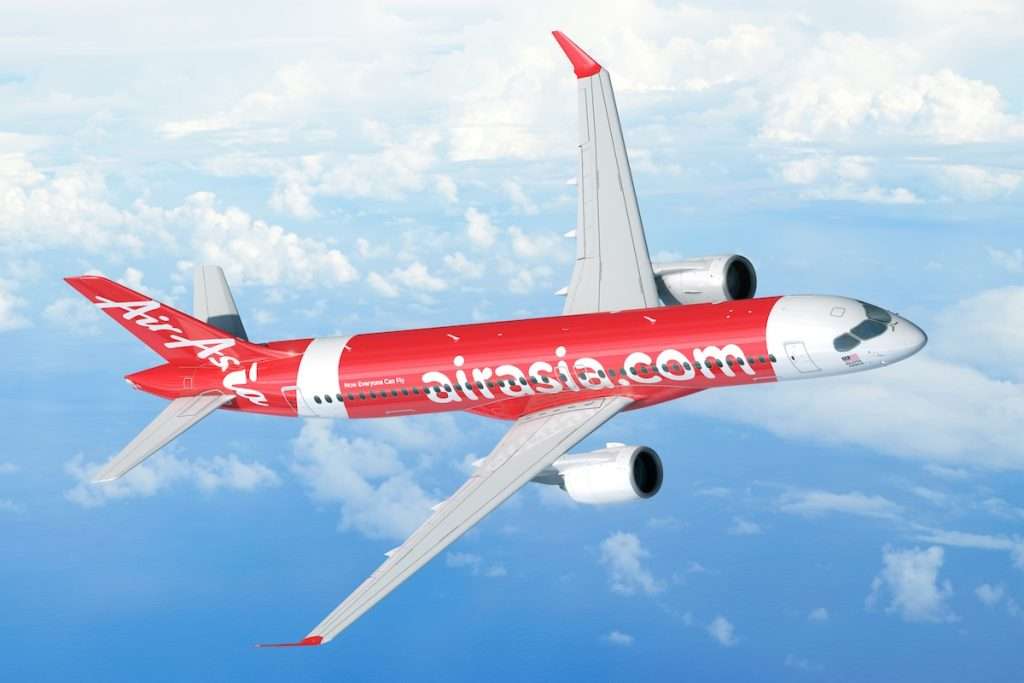
Air Canada’s interest has also evolved, with additional consideration of the trade-off between range and capacity and its implications for the network moving forward. That is especially as Airbus is pushing forward with its new layout plan for the A220-300, which sees capacity jump up to 160 seats.
There is a great deal for Airbus to consider on the topic of the A220-500, that is not to mention the ongoing risks surrounding performance and engines, whether it’s the long-standing Pratt & Whitney GTF durability pressures or the supply chains, which have not made enough progress in the years gone by to see production scaled to the optimal rates.
A220-500 Launch: A Matter Of Time?
Despite the cooling of talk surrounding the A220-500, this isn’t a concept being abandoned, given the rather slow last 5 months, which runs counter to initial expectations. The jet itself hasn’t been shelved.
Even in April, Faury acknowledged the prospect of the -500 and believed that a simple stretch was a matter of when rather than if, but acknowledged it’s not now at that exact moment. Analysts have weighed in, noting that there are still concerns, especially among lessors, about the Airbus ecosystem and what an A220-500 would mean for the future.
If Airbus were to greenlight the project, an EIS wouldn’t be overnight; the production, testing and certification phase would take time and feasibility studies are still ongoing as anchor customers look to be finalised, and a watchful eye is placed on how the A220 program, if at all, stabilises across the year.
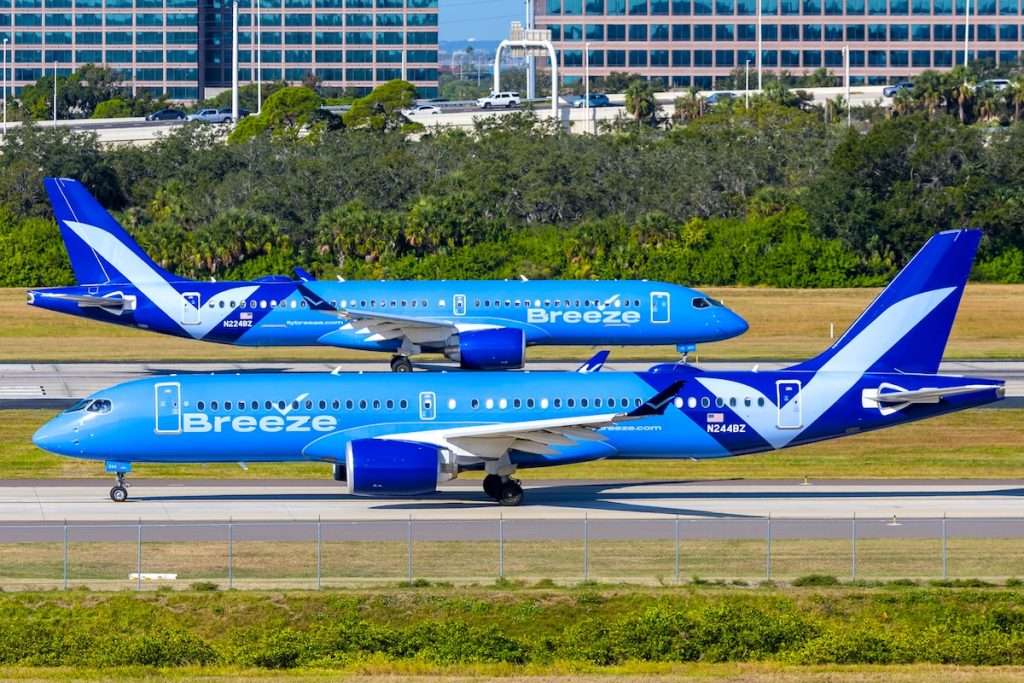
What also has to be considered is what an A220-500 release would do to the A320neo specifically; the A220-500 is viewed as a means to bridge the gap for some customers to the neo without needing to induct a new fleet type if not neccesary. Breeze Airways championed this in recent years, but in the last few weeks, it said it was no longer interested in the stretch.
With this in mind, analysts and Airbus itself need to understand what the future would be for the A320: is there to be disruption? How does this impact sales? Can the planemaker cannibalize its own sales with a new product for a minor gain?
The pause and cooling reflect not strictly doubt on the fate of the A220-500, but that no aircraft launch is as straightforward as hoped. Airbus needs the A220 series to be profitable and has already progressed with new high-density cabin configurations for the A220-300, while also securing a record-breaking order.
The 180-seat derivative has been a topic for years, and while hype has seemingly dialled down, the logic of the jet hasn’t gone away. However, crucial studies need to be conducted to ensure this release isn’t a mistake by the planemaker that would further impact a loss-making programme.

ABOUT THE AUTHOR
Daniel Fowkes is a Melbourne-based aviation analyst and journalist with over a decade of industry experience. As founder of Dj’s Aviation, he delivers trusted analysis on aircraft, airline strategy and global aviation trends for djsaviation.net
Leave a Reply
Related Articles




Stay Informed
Get the latest aviation news, analysis and route updates delivered to your inbox.
We respect your privacy. Unsubscribe at any time.
Enjoyed this story?
Make us your go-to for aviation news
Add us as a preferred source on Google and see our latest stories first in Top Stories.
Add Us On Your News FeedRelated articles
· Airlines
· Airbus A380
Would The Airbus A380 Work In India?
Bryan Shelmon
24/09/2026
· Aircraft
· Airbus
· Airlines
Airbus’ Forgotten A350-800 Order
Bryan Shelmon
24/09/2026
· Aircraft
· Airbus
· Routes
Airbus A321XLR Route Map: How One Jet Opens Thin Long-Haul Market
Bryan Shelmon
23/09/2026
· Analysis
· Airbus
· Aircraft
· Boeing
Airbus A350-1000 vs Boeing 777-9: The Next-Gen Widebody Matchup
Bryan Shelmon
22/09/2026
It looks very much if the current operators like the Aircraft just the way it is and its long range is a great feature that they do not wish to lose on a larger model.