

WestJet is accelerating plans to retire its Boeing 737-700 fleet amid a worsening economic climate, putting pressure on the business to respond.
With higher fuel prices and geopolitical shocks a persistent theme of 2026, the Canadian carrier is now more than ever emphasizing lower operating costs wherever possible and finding ways to achieve them.
Typically, lowering costs goes hand in hand with reducing fleet types and, certainly, removing older aircraft that may have been benefiting from elevated costs and pushing specific route margins into unprofitable territory.
In the case of WestJet, the removal of its older 737NGs has been planned; the 737-700 is part of those retirements, but the process is now accelerating as the airline moves more quickly towards the next-generation MAX.
Farewell To The 737-700s At WestJet
Flagged by Flightglobal, the CEO of WestJet, Alexis von Hoensbroech, spoke en route to the IATA AGM in Rio de Janeiro and said that the retirement timeline for the company’s 737-700 fleet was moving up.
Given that the fleet is some 20 years old and older, the number of units leaving in 2026 is increasing. While no specifics on the number of planned exits have been confirmed, the phase-out is expected to accelerate.
The axing of the subfleet is part of an effort to transition away from older 737 models and rely more heavily on the 737 MAX, which reduces costs, ensures a smoother fleet mix, and improves the ability to withstand economic shocks.
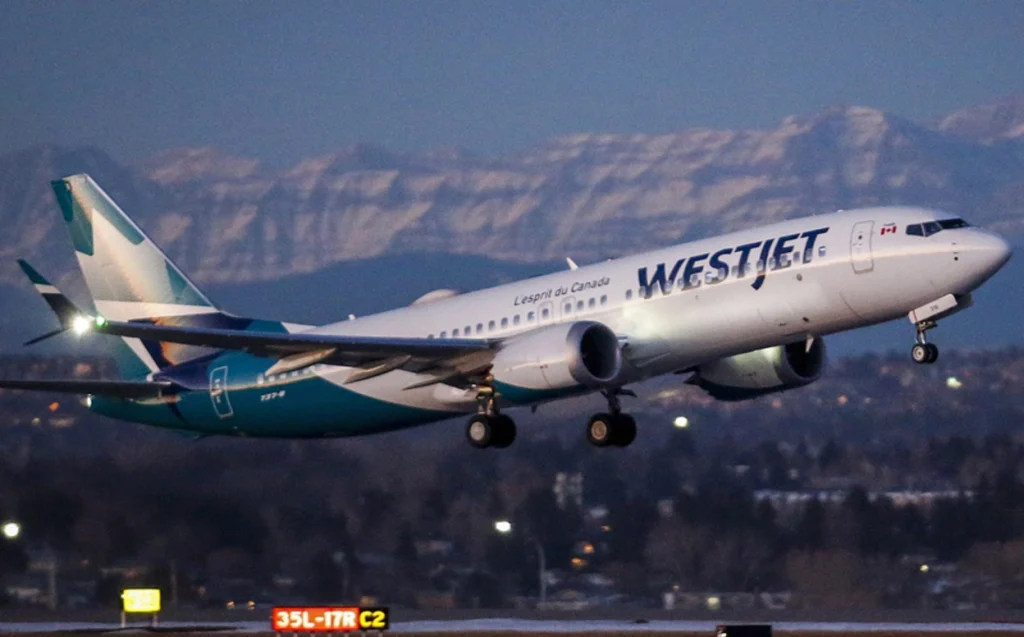
WestJet has a strong fleet of 737-700s, currently in excess of 30 units; however, it’s also the oldest narrowbody in the mainline fleet and sits alongside not just the 737-800s but, more importantly, the 737 MAX 8 too.
The 737-700 was never without a replacement plan in mind, the MAX set to take on the role at some point. But now the airline is being pushed to speed things up as fuel prices mean acting to protect the business is more important than ever.
2026 is expected to be an important year for WestJet in terms of renewal, with many 737 MAX deliveries scheduled, making it easier to retire older 737NGs without fear of losing capacity. The 737-700s axing felt to be a roughly one-for-one with the MAX jets inbound, but additionally, the means to protect capacity, if anything, grow it with larger models due.
Examining The Role Of The 737 MAX
WestJet was never going to retain the Boeing 737-700s forever; however, before 2026, a clear-cut retirement plan was in place to ensure a seamless transition to the 737 MAX.
The 737 MAX orderbook at Southwest is among the strongest in North America, aided by 100+ MAX jets on order across a mix of the existing 737-8s and the upcoming 737-10s, the high-capacity model in the series.
Over time, the 737 MAX has, as expected, become integral to the network and future planning, too. Not only does the jet offer 15% improved fuel burn over the older 737NG, but it also offers greater range and flexibility, ensuring deployment is feasible at more locations.

With the 737-10 also to be certified by the end of the year, WestJet is betting big on the capacity leap as integral to the future of the airline’s in-demand services and to the opportunity to expand service to key locations that require more seats year over year.
By WestJet saying goodbye to the 737-700s, while an era ends that helped turn WestJet into a more well-known national carrier, the goodbye marks the start of a new chapter that is more centric to the 737 MAX and a view that these jets will help weather any future economic volatility because of their lower operating costs.

ABOUT THE AUTHOR
Daniel Fowkes is a Melbourne-based aviation analyst and journalist with over a decade of industry experience. As founder of Dj’s Aviation, he delivers trusted analysis on aircraft, airline strategy and global aviation trends for djsaviation.net
Related Articles




Stay Informed
Get the latest aviation news, analysis and route updates delivered to your inbox.
We respect your privacy. Unsubscribe at any time.
Enjoyed this story?
Make us your go-to for aviation news
Add us as a preferred source on Google and see our latest stories first in Top Stories.
Add Us On Your News Feed