
Russia’s civil aviation industry is facing one of its biggest tests yet, surrounding its future. The United Aircraft Corporation (UAC) now estimates that airlines in the country will need 500 new planes in the next decade.
However, with Russia still cut off from traditional planemakers like Airbus and Boeing, its sources of widebodies and narrowbodies have become harder to come by, emphasizing internal solutions.
Russia’s Scale Is Sizeable
The 500-aircraft figure put forward reflects not just the hopeful growth the Russian market would see in the next decade, but also the need to replace a large portion of the active fleet that will be retired.
Concerningly for Russia, many of the aircraft to be retired will constitute a large portion of the remaining Western-built fleet, whether from Airbus or Boeing, which it has lacked the support to maintain for years.
As part of this, therefore, the pivot away from these Western planes, something already happening but will be felt more so over the next decade, if the situation cannot be rectified, the share of domestically produced aircraft by the next decade will increase.
With a large number of aircraft already in service, the Government’s target of increasing domestic production must now be met, as the West is not providing Russia with the planes it would otherwise purchase.
However, amid the demand for new planes, there are concerns about whether planes can be produced at the pace needed to continue meeting demand for air travel. To meet demand, output would need to be scaled.
The Airbus & Boeing Ban Has Hurt
Had conflict not broken out, had sanctions not been imposed, the typical requirement for 500 aircraft over the next decade from Russia, like any other country, would then be put forward to plane makers such as Airbus and Boeing, alongside domestically driven ones, to put forward options that can be actioned.
However, sanctions have fundamentally reshaped how the Russian fleet exists today, but additionally what it’ll look like deep into the 2030s as well, following Western governments terminating contracts and more with the location after Russia invaded Ukraine and the conflict broke out.
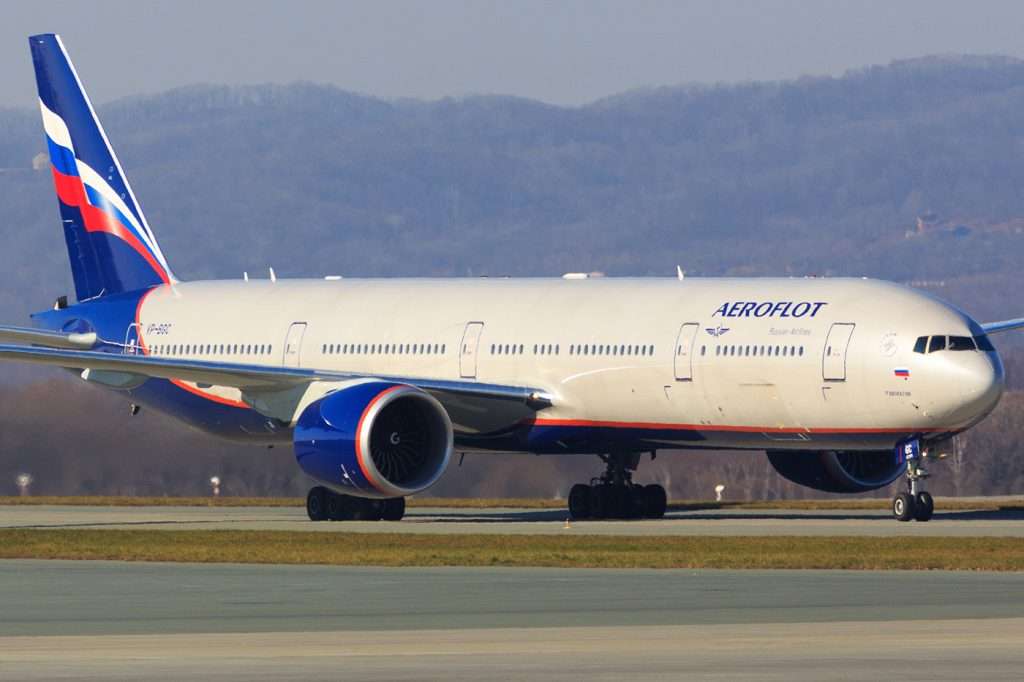
With hundreds of planes affected, repossessions, lawsuits, and more, Russian airlines were left short of aircraft and with a shattered network as international connectivity was slashed. The impact on these businesses has thus been significant.
Airbus and Boeing pulling out of the Russian market for new orders is one thing; their presence extends far beyond just the supply of aircraft, and their departure impacts spare parts, repairs, and other support for the existing fleet.
This has meant that airlines with these planes have been forced to use up all remaining stock and, since 2022, can only use components from either retired or currently flying planes to preserve existing planes.
These complications then extend to the need to secure parts, second-hand planes, and more during the sanctions, and to concerns about the certification, safety, and thus airworthiness of these components. Unfortunately, these parts are desperately needed to keep fleets airborne.
What Now?
Without Airbus and Boeing in the picture, the pathway to securing the 500 aircraft neccesary is going to change quite dramatically and put more than ever domestic replacements at the forefront of ovnersiations.
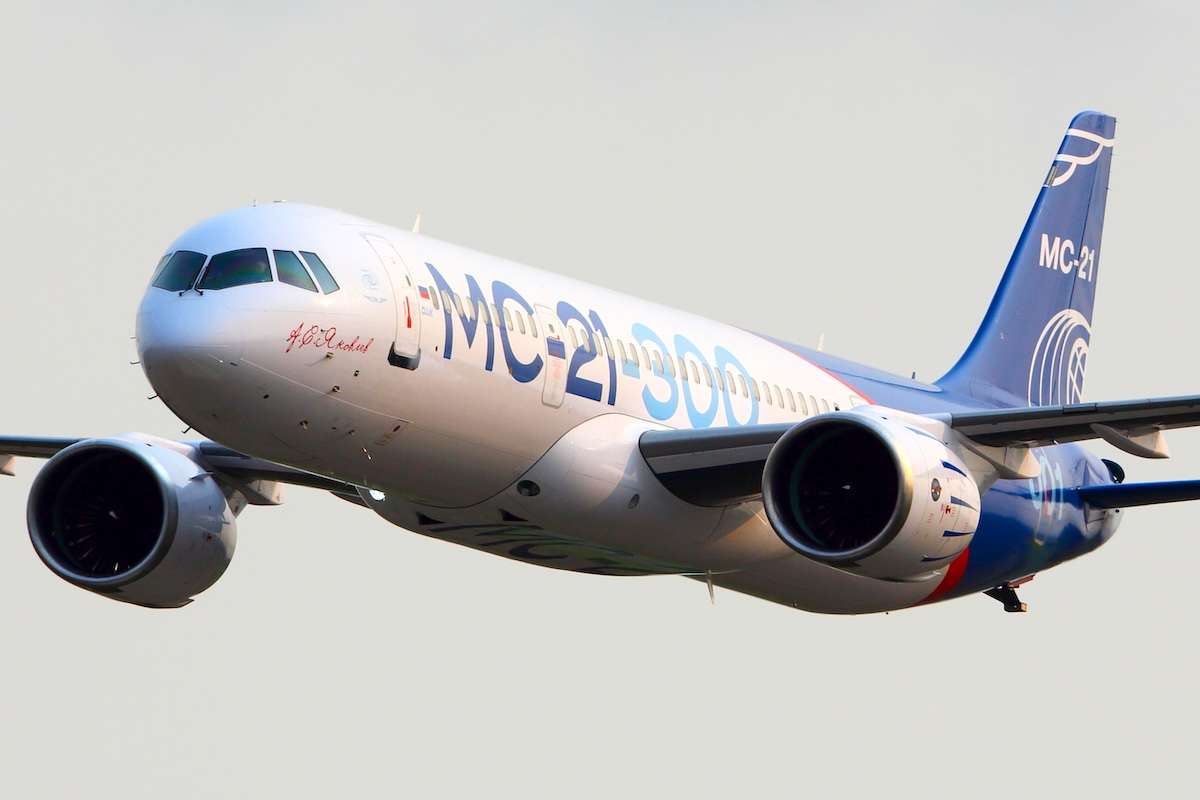
A replacement pack proposed by UAC includes the MC-21-310 as a mid-ground solution, as well as jets like the Tu-214 and the Il-114-300, among others, to serve multiple angles of airlines’ strategies.
The MC-21, especially, has been a narrowbody designed to compete with the A320neo and 737 MAX, or, in this sense, to fill the void, but, like many other options, it relies on Russian-made products and systems that are not yet certified in other Western markets.
Many endeavours are being studied by Russian planners, especially with scale in mind, upwards to widebodies. Still, for the moment, it’s largely the more modest alternatives that have been made available to these airlines.
Decisions will be forced, and if there’s to be no resolution on sanctions, conflict, and more, while a percentage of the 500 aircraft was always to be drawn from domestic offerings, that percentage may very well be forced to increase to near 100.

ABOUT THE AUTHOR
Daniel Fowkes is a Melbourne-based aviation analyst and journalist with over a decade of industry experience. As founder of Dj’s Aviation, he delivers trusted analysis on aircraft, airline strategy and global aviation trends for djsaviation.net
Leave a Reply
Related Articles




Stay Informed
Get the latest aviation news, analysis and route updates delivered to your inbox.
We respect your privacy. Unsubscribe at any time.
Enjoyed this story?
Make us your go-to for aviation news
Add us as a preferred source on Google and see our latest stories first in Top Stories.
Add Us On Your News Feed
I would humbly suggest there is another factor to be added to this which is China/Russia cooperation to both accelerate development, reduce reliance on western planes and technology and build competitive alternatives and exposure to western plane makers. Asia and Africa will be markets where they may find initial success.
Author
A brilliant other angle. There’s a lot to play out here I’d say over the coming 5-10 years