
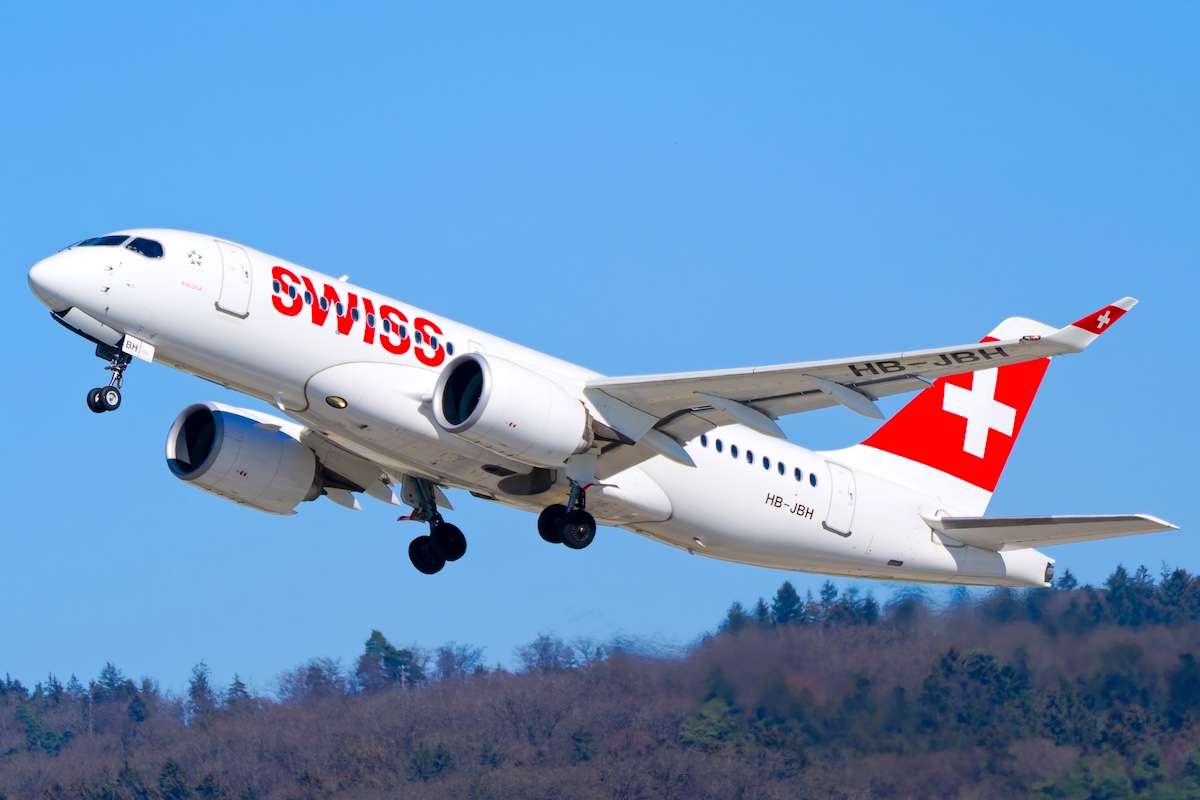
SWISS is moving ahead without its Airbus A220-100 fleet in new ways, with the confirmed dismantling of units part of the regional powerhouse series.
Flagged by Aviation Week, SWISS is taking drastic new measures to dismantle and scrap two of its nine A220-100s, using the parts to keep the A220-300 fleet flying.
SWISS previously adopted both models of the current A220 program. However, like many other airlines in the industry, it looked to shed the smaller A220-100. With little to no interest in the models, now it’s using this to help keep its other, more important 300s active.
The two aircraft, registered as HB-JBD and HB-JBC, are part of the teardown and have been stored; both will also have their engines transferred to the A220-300, which has been battling Pratt & Whitney engine complaints for quite some time.
But Why Is SWISS Scrapping The Jets?
SWISS’ decision to scrap these Airbus A220-100s ultimately follows the retirement of the smaller variant; however, it is due to the inability to leverage these aircraft and their capabilities elsewhere in the business.
The PW15000G engines require support. The GTF engine family, in particular, has been battling persistent concerns for some time now, with reliability issues keeping jets on the ground. The defects have thus impaired the airline’s ability to offer scheduled service efficiently.
As a result, the CFO of SWISS has flagged that, with more than 10 jets out of service at times due to peak reliability, there needs to be a way to ensure crucial routes remain operational, not just now but also if further pressures arise. Furthermore, this comes after October 2025’s confirmed grounding of the smaller model.
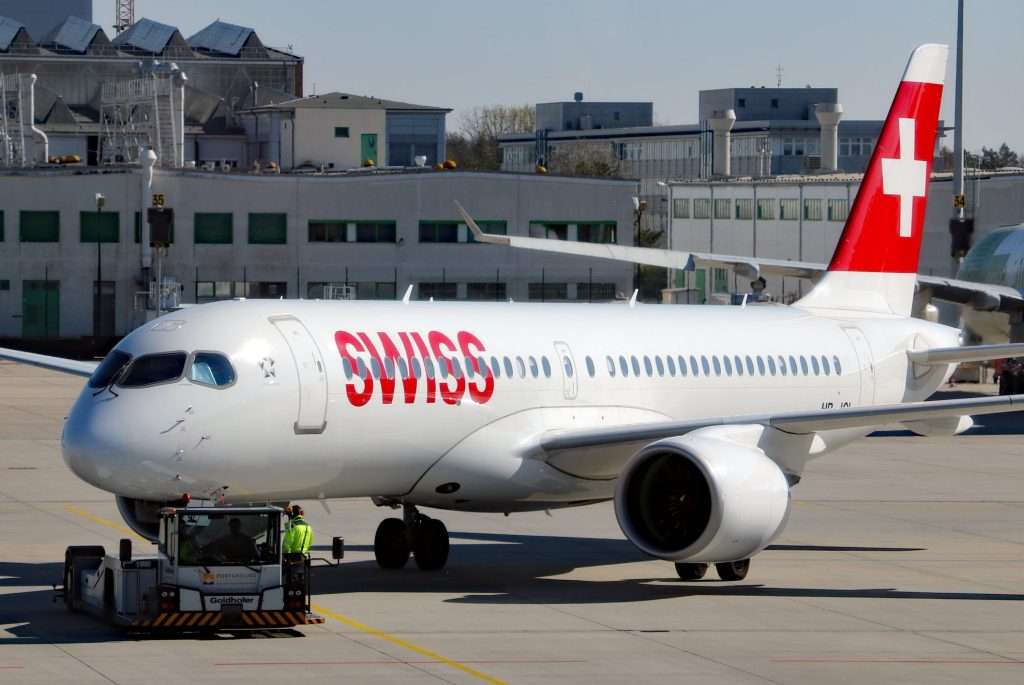
With the A220-100’s fate all but secured. The airline sees an opportunity to leverage these aircraft to prioritize those that are more reliable in its operations and equally efficient. These A220-300s can stabilise operations and improve costs, especially in an era of economic volatility and sharply rising fuel prices, when it is pivotal to protect bottom lines.
For the moment, SWISS will continue to take the A220-100s out of service that haven’t already been parked for nearly two years, with their fate unclear. Still, the biggest priority is leveraging parts from these jets through cannibalization to keep the A220-300s in service, which benefits the business in the air.
The A220-100s Unusual Fate
SWISS’ Airbus A220-100 fleet isn’t old by any means. Fleet data show the aircraft averaging 9.1 years, which, for these next-generation jets, may realistically be only 1/3 of their possible operational life if kept on by the airline in question.
However, SWISS, even though it was the launch operator of the model when it was known as the Bombardier CS100 and was later rebranded after Airbus acquired the programme, deployed the jet on high-yielding, short-haul markets, where the specific certification parameters shone through.
But now, the A220-100’s fate is unclear. SWISS says no final decision has been made on whether they will return to service. However, on several occasions, the business has been vocal about the role it plays, and that role is no longer beneficial to the business’s bottom line, unlike the larger -300.
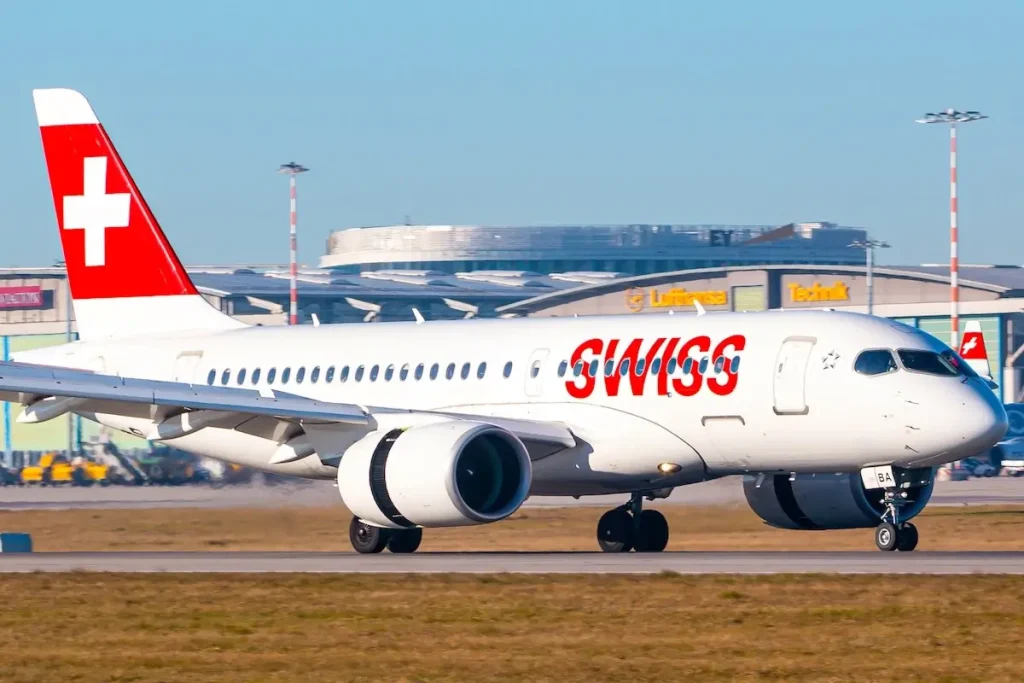
In July 2025, the airline’s head of aircraft assessment management said the A220-100 was hindering the airline’s operations. While no decision had been made back then, parking the jet was increasingly looking like the better solution, a view still held today in mid-2026.
What can absolutely be confirmed for now is that the A220-100s will be grounded, and some of their parts will be repurposed to keep the more performance-geared A220-300s in the skies for at least the next two years.
Beyond that, the fate of the smaller A220 is unclear, just as it was 12 months ago. But whatever decision the airline makes will be in the best interests of its customers and its bottom line, enabling it to use its assets most effectively to create a profitable and sustainable network, even if there are some short-term capacity reductions.

ABOUT THE AUTHOR
Daniel Fowkes is a Melbourne-based aviation analyst and journalist with over a decade of industry experience. As founder of Dj’s Aviation, he delivers trusted analysis on aircraft, airline strategy and global aviation trends for djsaviation.net
Related Articles




Stay Informed
Get the latest aviation news, analysis and route updates delivered to your inbox.
We respect your privacy. Unsubscribe at any time.
Enjoyed this story?
Make us your go-to for aviation news
Add us as a preferred source on Google and see our latest stories first in Top Stories.
Add Us On Your News Feed