
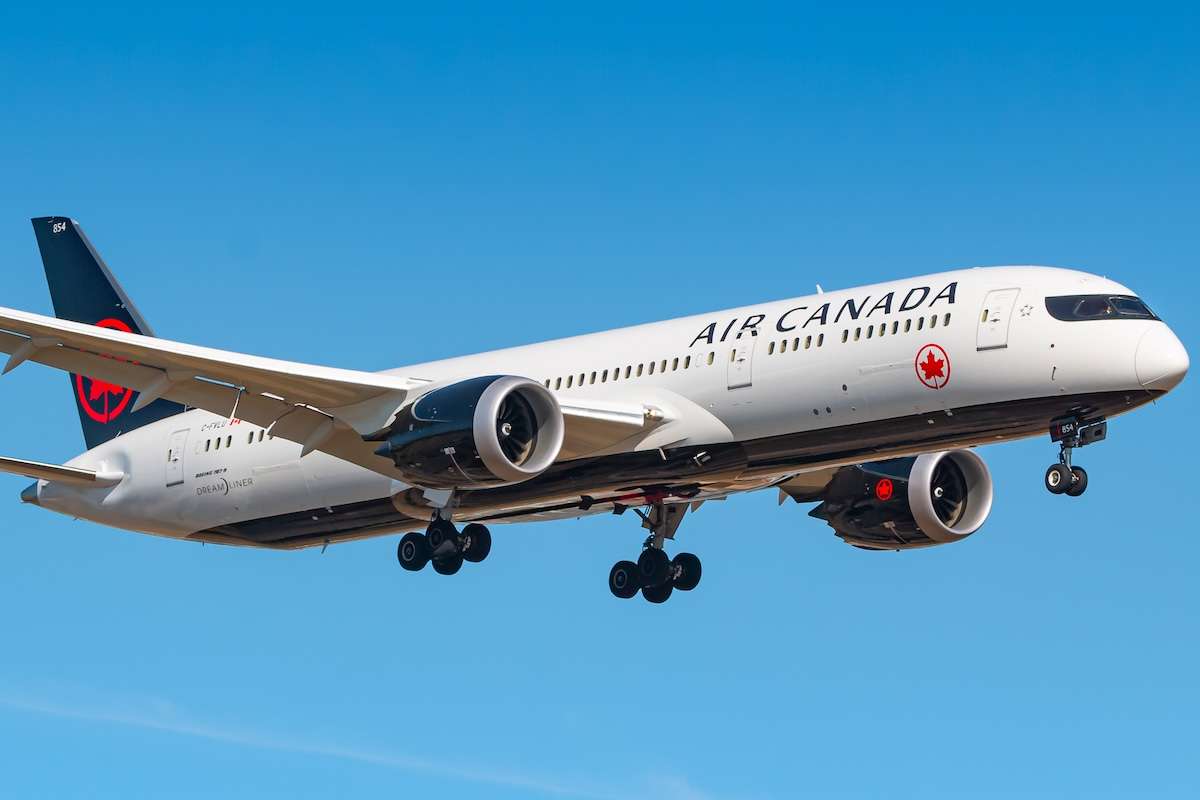
Air Canada‘s recent schedule filing shows further service reductions and outright cancellations, with the international network as the focus.
The changes are expected to be implemented in the September and October 2026 services, with adjustments planned to shorten the seasonal operation, which has recently been seen across the United States.
More A321XLR & 787 Changes
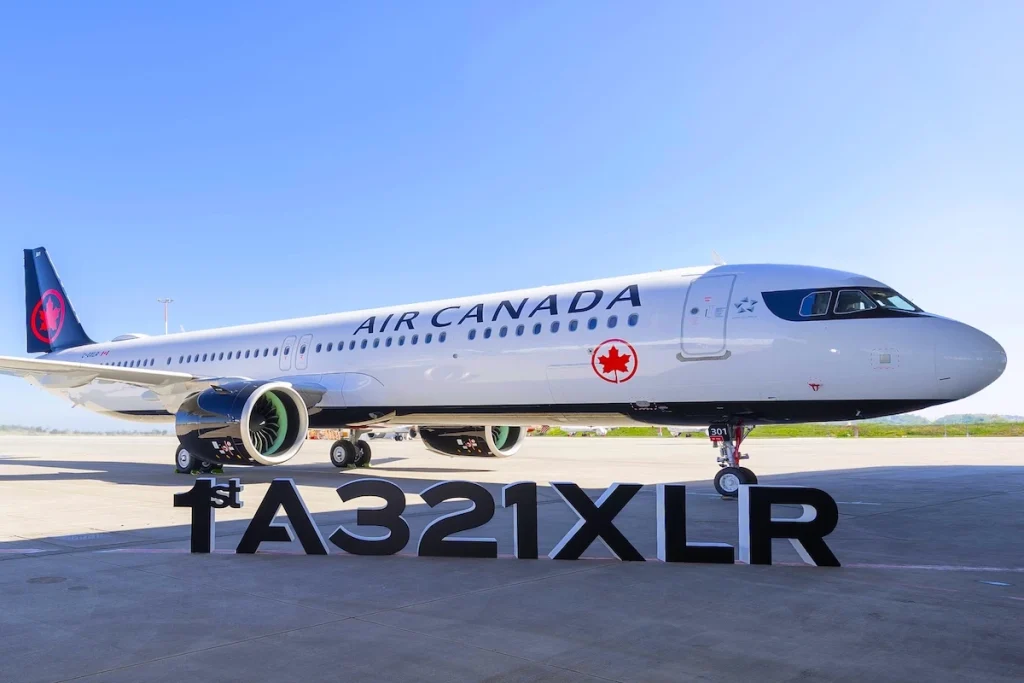
As part of the changes flagged by aeroroutes.com, a reputable route update publication, the biggest adjustment is the cancellation of a service from 6 September 2026 through 10 October 2026 on the newly delivered Airbus A321XLR.
Now, the seasonal service between Montreal and Berlin will conclude on 5 September 2026, rather than running an additional 35 days, and is yet another change to the planned A321XLR service.
Meanwhile, service will be reduced between Toronto Pearson and Manchester, where a typical flight from 15 June 2026 through 12 September 2026 would operate 4 weekly flights on the middle-ground and important Boeing 787-9, but now jetting off just 3 times a week.
Montreal to Copenhagen’s summer seasonal service will be axed three days before its initial endpoint, with flights concluding on 3 September 2026 instead of 6 September. This is a minimal change but a further adjustment nonetheless.
Vancouver to Hong Kong will also be reduced from 7 to 6 flights per week, from 8 September 2026 through 2 October 2026, with Boeing 787-9 service.
Vancouver to Singapore is the third route from British Columbia impacted with a reduction of 4 flights to 3 flights during weekly periods spread across July, then for a whole month stretching from 24 August 2026 through 25 September 2026, with the Boeing 787-9 operating.
Lastly, for the Vancouver to Manila route from 20 July 2026 through 1 October 2026, except for 5 days in August, when service is reduced from 4 flights a week to 3, the Boeing 787-9 is set to operate on this route.
What Does This Mean For Customers?
Many of these changes are modest in nature, either a suspension of service earlier than expected for a seasonal flight or a reduction in frequency rather than the complete removal of an international city from the network; however, they still have an impact.
These frequent, consistently effective changes by Air Canada are part of a pattern in which capacity management has become a focal point more than ever. As operating costs continue to surge, threats to the Canadian flag carrier’s margins and bottom line are growing more pronounced; therefore, a response is needed.
Since Spring, the airline has removed or closed reservations on many routes, whether that’s international long-haul flights or several seasonal services ending earlier than expected, if not being completely axed for this summer.

The impact on passengers is fewer flight options and the surgical removal of routes that would’ve already had people booked, necessitating the airline to step in and offer either refunds or alternative transportation on the affected days.
With fewer opportunities available in certain locations, new opportunities can present themselves if an airline believes such a decision would be beneficial in regaining market share. However, with fewer options, the downsides trickle down to passengers, who face higher airfares as fewer connections are available.
A Shift In The Network Takes Place
Air Canada initially entered 2026 with great ambition, expecting to take delivery of more than 30 aircraft this year, including debuts of the A321XLR and 787-10 as new fleet types. This was complemented by the transition of the 737 MAX away from the mainline division to Rouge as part of single-aisle consolidation efforts across the Group.
However, when conflict broke out in February following strikes on Iran, which then saw heavy retaliation across the Middle East. Not only was service disrupted using this airspace due to security risks, but fuel prices skyrocketed. Ultimately, those prices have yet to stabilize and, in turn, have put pressure on airlines’ bottom lines across markets operating with thin margins.

Air Canada was previously aiming to use the summer as an aggressive expansion platform to launch new European and Latin American services, with enhanced Asia-Pacific flying, not just on the 787s but also on the newly delivered A321XLR jets for thin long-haul markets.
However, volatility and other associated constraints have necessitated a pullback from plans to ensure a safer, more commercial response is implemented. With that in mind, Air Canada has trimmed frequencies rather than cutting routes where possible, including shortening the season dates for services operating only during peak markets to protect higher-yield flights.
Air Canada Targets Cuts To The United States
These international routes that have seen flights cancelled ultimately form just one part of the trimming, and are not isolated. The airline has already cancelled service to New York JFK in response to rising fuel costs, an adjustment that shifts emphasis to New York LaGuardia and Newark Liberty.
Meanwhile, planned services such as Montreal to Guadalajara and several other Toronto-to-U.S. services have been cancelled or suspended. Salt Lake City is one of the many paired with Fort McMurray; these low-yielding locations are easier to remove than higher-yielding ones.
For Air Canada, elevated fuel costs have been the primary reason for these targeted cuts. If stabilization were to occur, the business would find ways to return to these markets for Summer 2027, but only if conditions ease, which is now less predictable.
For the Canadian carrier, it’s imperative that it manages its own crew and aircraft effectively; with scheduling constraints already in place, tactical frequency switches are needed to preserve the most important network locations.
These aren’t irreversible moves; they’re strategic decisions, but Air Canada is remaining cautious, for without some kind of global stability, if fuel prices remain elevated, these short-term cuts being seen can be expected to worsen significantly over time.

ABOUT THE AUTHOR
Daniel Fowkes is a Melbourne-based aviation analyst and journalist with over a decade of industry experience. As founder of Dj’s Aviation, he delivers trusted analysis on aircraft, airline strategy and global aviation trends for djsaviation.net
Related Articles




Stay Informed
Get the latest aviation news, analysis and route updates delivered to your inbox.
We respect your privacy. Unsubscribe at any time.
Enjoyed this story?
Make us your go-to for aviation news
Add us as a preferred source on Google and see our latest stories first in Top Stories.
Add Us On Your News Feed