

The Airbus A321XLR is the longest-range single-aisle commercial aircraft ever built, capable of flying up to 4,700 nautical miles (8,700 km) with up to 244 passengers.
Officially entering service in November 2024 with launch operator Iberia, the XLR is the newest and most capable member of Airbus’s A320neo family.
It brings a widebody range to a narrowbody airframe, allowing airlines to profitably serve routes that were previously too long for a single-aisle jet and too thin to justify a widebody. Over 500 orders have been placed for the type, and it’s already reshaping transatlantic route networks.
What Is The A321XLR?
The “XLR” stands for Xtra Long Range, and the name is accurate. The A321XLR is an evolution of the A321neo, sharing the same basic fuselage, flight deck, engines, and cabin. To the untrained eye on the ground, you’d struggle to tell them apart. The difference is almost entirely in what’s inside and what it can do.
The key engineering change is a permanent Rear Centre Tank (RCT), an integrated fuel tank holding an additional 12,900 litres of kerosene that’s built directly into the aircraft’s structure.
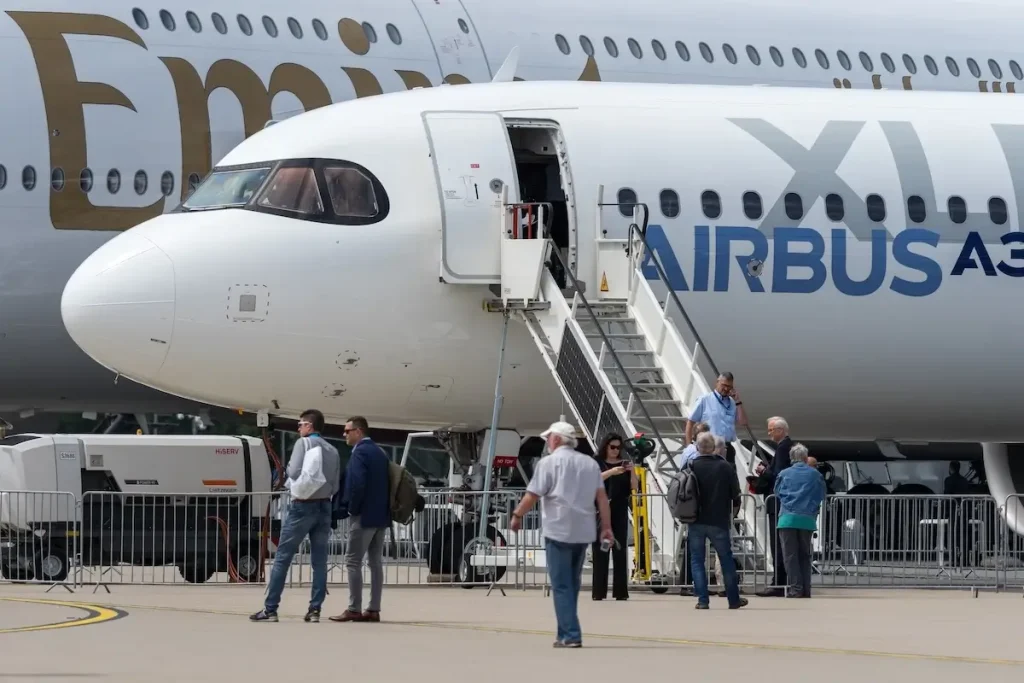
Unlike the A321LR, which uses removable additional fuel tanks in the cargo hold, the XLR’s RCT is a fixed part of the airframe. That, combined with structural reinforcements, an increased maximum takeoff weight of 101 tonnes, and modified landing gear, gives the aircraft its extraordinary range.
The result is an aircraft that can fly for up to eleven hours on a single tank. That used to be the exclusive domain of widebodies like the 787 or A330. Not anymore.
Follow the latest aircraft news at Dj’s Aviation.
Specs And Range
Here’s a quick look at the numbers that matter:
| Specification | A321XLR |
| Range | 4,700 nm (8,700 km) |
| Typical two-class seating | 180-220 seats |
| Maximum seating (single class) | 244 seats |
| Max takeoff weight | 101 tonnes |
| Engines | CFM LEAP-1A or PW1100G-JM |
| Max flight time | ~11 hours |
| Fuel burn per seat vs. previous gen | 30% lower |
The aircraft was certified by EASA with LEAP-1A engines in July 2024, and the PW1100G-JM version received certification in February 2025. Both engine options offer strong fuel efficiency and share commonality with the broader A320neo family, which significantly reduces pilot training and maintenance costs for carriers already operating that fleet.

Airbus claims trip costs on the A321XLR are around 45% lower than a comparable modern widebody on the same route. That’s not just a marginal efficiency gain. It’s the kind of number that fundamentally changes an airline’s route economics.
How It Differs From The A321neo And A321LR
The A321 family has grown considerably since the original variant entered service in 1994. Understanding where the XLR sits requires knowing what came before it.
| Specification | A321neo | A321LR | A321XLR |
| Range | ~3,500 nm | ~4,000 nm | ~4,700 nm |
| Fuel tanks | Standard | Up to 3 ACTs (removable) | Permanent RCT + ACT option |
| MTOW | 97 tonnes | 97 tonnes | 101 tonnes |
| Cargo hold impact | Full | Reduced by ACTs | Slightly reduced by RCT |
| Typical seating (2 class) | ~180-200 | ~180-200 | 180-220 |
The A321LR, launched in 2015, was the first step toward transatlantic narrowbody capability. It uses up to three additional centre tanks placed in the forward cargo hold, which works but takes up belly cargo space and limits payload flexibility. The XLR’s permanent RCT is a more elegant solution, baked into the structure from the start, with less cargo impact and better overall efficiency.

The range jumps from LR to XLR, around 700 additional nautical miles, sounds modest. In practice, it’s significant. That extra reach unlocks city pairs like New York to Edinburgh, Dublin to Indianapolis, or Madrid to Boston on a narrowbody jet, routes that the LR simply couldn’t serve without fuel stops or payload penalties.
Airline Orders
Airbus had secured more than 500 orders for the A321XLR by late 2024, with the order book continuing to grow. The type has attracted a broad mix of full-service carriers, low-cost operators, and hybrid airlines.
Confirmed operators and significant customers include:
- Iberia (launch operator, in service from November 2024)
- Aer Lingus (first delivery December 2024)
- American Airlines (50 on order, entered service December 2025)
- United Airlines
- JetBlue (large order, planned for transatlantic expansion)
- Wizz Air (significant order for European and long-haul routes)
- IndiGo (the largest single customer)
- Qantas (on order for transoceanic routes)
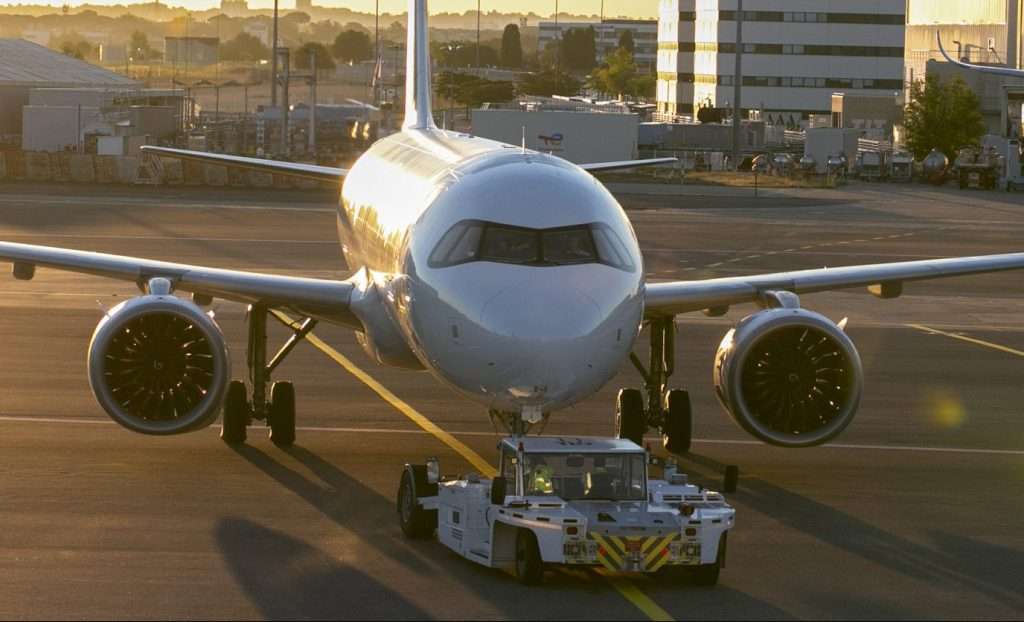
The spread of customers is notable. You have legacy carriers like American and Iberia using the XLR to open new transatlantic markets. Low-cost and hybrid carriers like Wizz Air and IndiGo see it as a way to bring single-aisle economics to routes previously requiring widebodies. The XLR appeals to very different business models for the same fundamental reason: it makes previously unviable or expensive routes workable.
Routes
The A321XLR’s route network is still in its early stages, but the picture is already taking shape. Iberia was first, launching Madrid-to-Boston service in November 2024, followed by other transatlantic services.
The route between Madrid and Washington was previously seasonal on widebodies. The XLR allowed Iberia to make it year-round, taking advantage of the aircraft’s lower per-flight costs to sustain demand outside peak periods.
Aer Lingus has been among the most aggressive early operators. By early 2026 the Irish carrier was using its XLRs on services from Dublin to Nashville, Indianapolis, and Raleigh-Durham, connecting secondary US cities directly to Europe for the first time with scheduled service.
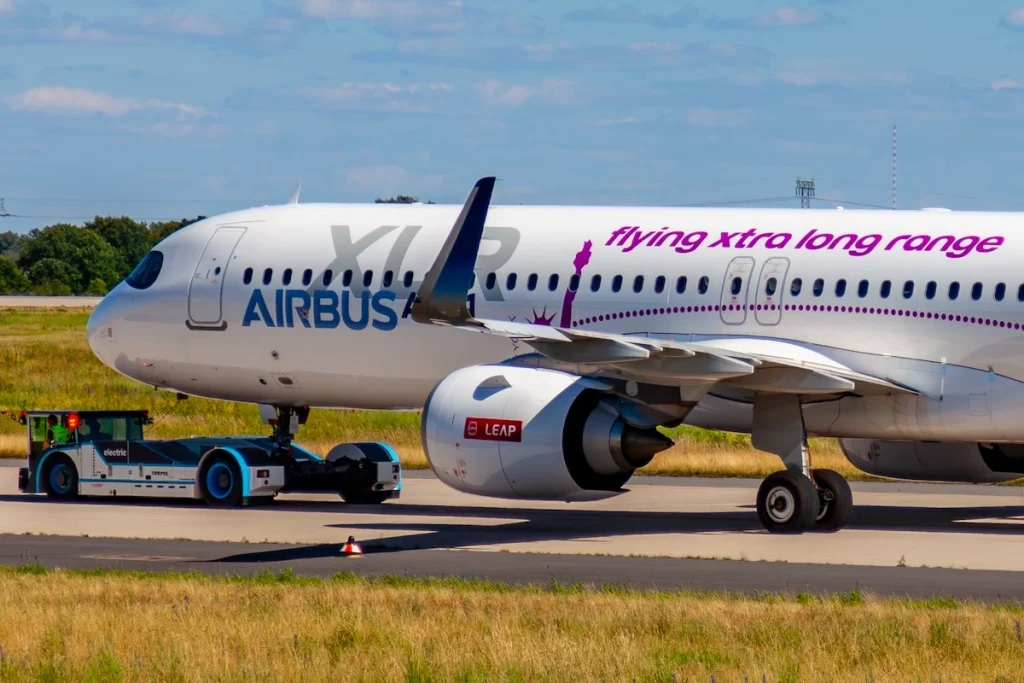
American Airlines entered service in December 2025 on the JFK-to-LAX transcontinental route before transitioning the XLR to international service, with JFK-to-Edinburgh, Scotland, launching in March 2026. America’s network planning chief has described transatlantic flying as “the real reason we bought the aeroplane.”
According to data analysed by Aerospace Global News, the A321XLR is already driving measurable growth in transatlantic traffic at secondary US airports, with smaller markets gaining direct European services they couldn’t previously support.
Industry Impact
The A321XLR’s arrival has consequences far beyond just the routes it flies. It changes the competitive dynamics of the widebody market. Airlines that might have ordered a 787 or A330 for a specific thin long-haul route now have a cheaper narrowbody alternative. That’s a significant consideration for Airbus too, since the XLR theoretically competes with its own A330neo on some route pairs.
For Boeing, the A321XLR presents a more pressing challenge. The 737 MAX 10, Boeing’s largest narrowbody, has a range of around 3,300 nautical miles, nowhere near XLR territory. Boeing has no narrowbody product that competes on range.
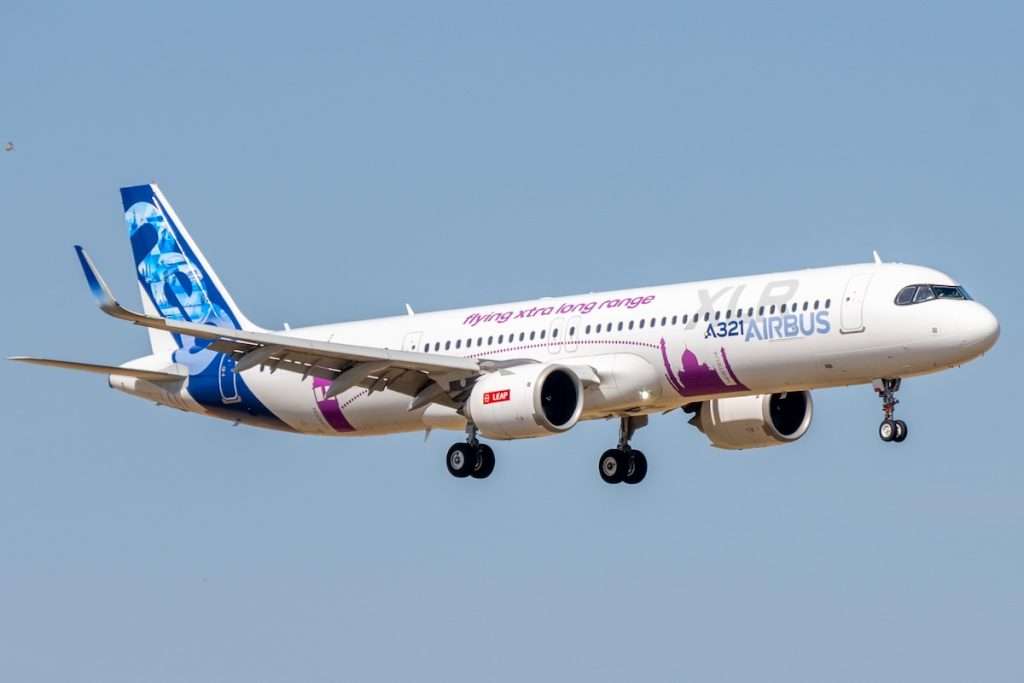
That’s part of the reason Boeing’s New Midsize Airplane concept has attracted so much attention, as it’s the only credible long-term answer Boeing has to this part of the market. Until that aircraft exists, if it ever does, the XLR has the long-range narrowbody segment entirely to itself.
For passengers, the practical impact is simpler: more nonstop options between cities that previously required a connection through a major hub. The XLR won’t replace widebodies on busy trunk routes. But on the long tail of thinner international markets, it’s already changing what direct flying looks like.
Keep up with the latest route launches and fleet news at Dj’s Aviation’s freight and routes coverage.

ABOUT THE AUTHOR
Daniel Fowkes is a Melbourne-based aviation analyst and journalist with over a decade of industry experience. As founder of Dj’s Aviation, he delivers trusted analysis on aircraft, airline strategy and global aviation trends for djsaviation.net
Related Articles



Stay Informed
Get the latest aviation news, analysis and route updates delivered to your inbox.
We respect your privacy. Unsubscribe at any time.
Enjoyed this story?
Make us your go-to for aviation news
Add us as a preferred source on Google and see our latest stories first in Top Stories.
Add Us On Your News Feed