
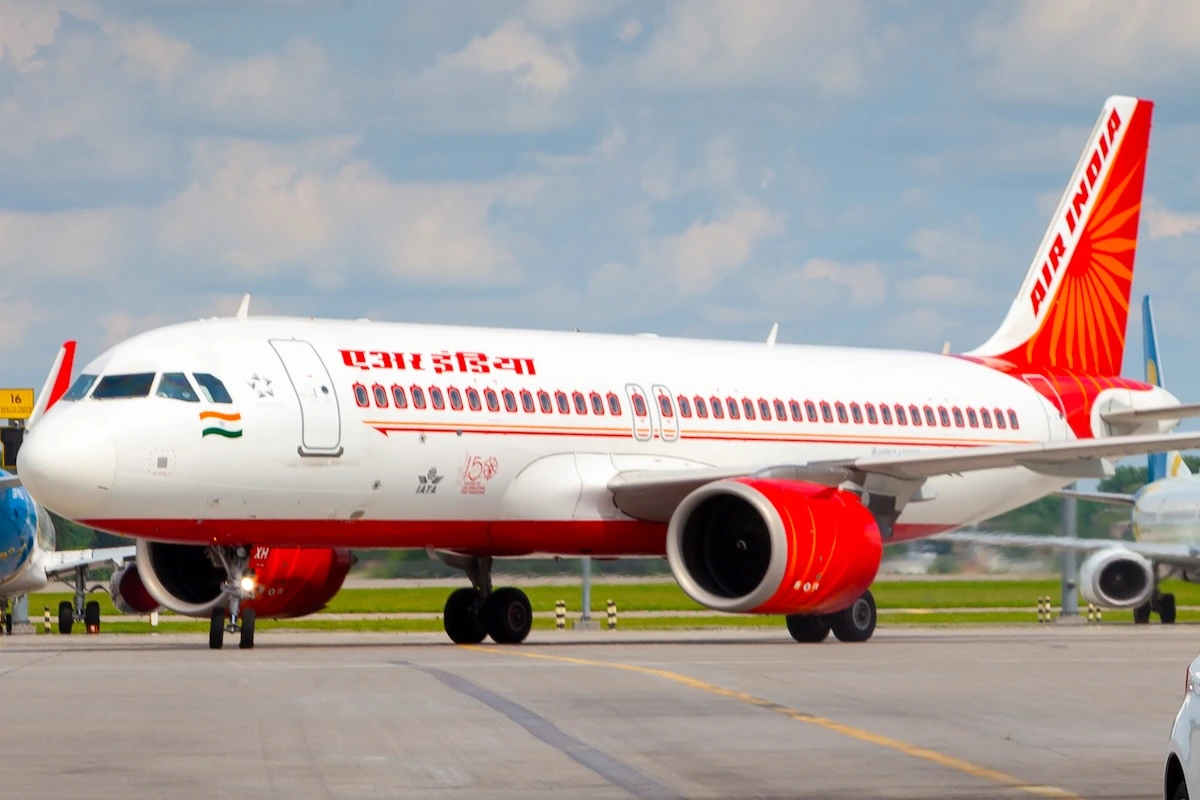
Air India has been fined USD 110,350 by the Directorate General of Civil Aviation (DGCA) for operating an Airbus aircraft without a valid airworthiness permit.
The fine imposed by the DGCA further erodes trust in the flag carrier’s position across the industry, following the aircraft’s eight flights without a permit.
In a written statement, Air India acknowledged the DGCA order regarding the incident it voluntarily reported in 2025 and is working to move forward in a safer, more compliant manner.
Air India says it has identified gaps in its operations that have now been successfully addressed, and remains committed to maintaining the highest standards of integrity while prioritising safety.
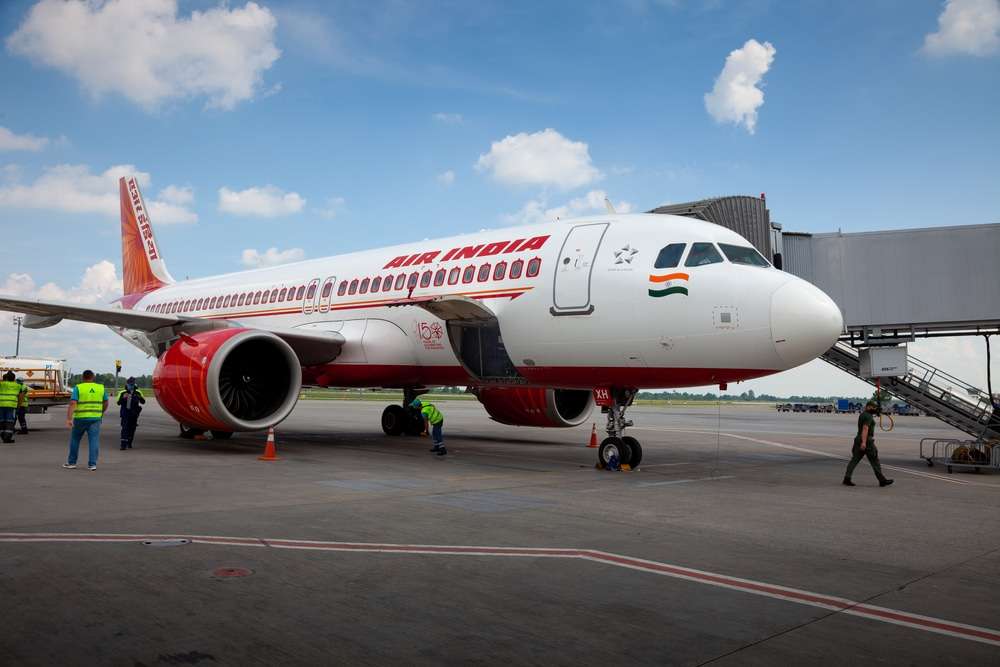
This incident is not the first in the past 12 months in which Air India has been cited for safety lapses, following several audits of the business following a fatal 787 accident in mid-2025. However, the absence of an airworthiness permit has been a key area of focus.
Indian authorities also made it clear that, following the findings and investigation, public confidence in the airline had further eroded, as confusion arose over how something so critical could be absent.
What Happened With The Air India A320?
Air India was fined for an incident that occurred over two days, from November 24 to November 25, involving an Airbus A320 aircraft.
During this period, across eight flights, the A320 operated routinely without an airworthiness certificate. Critical to permitting an aircraft to enter the skies, without it, it cannot fly.
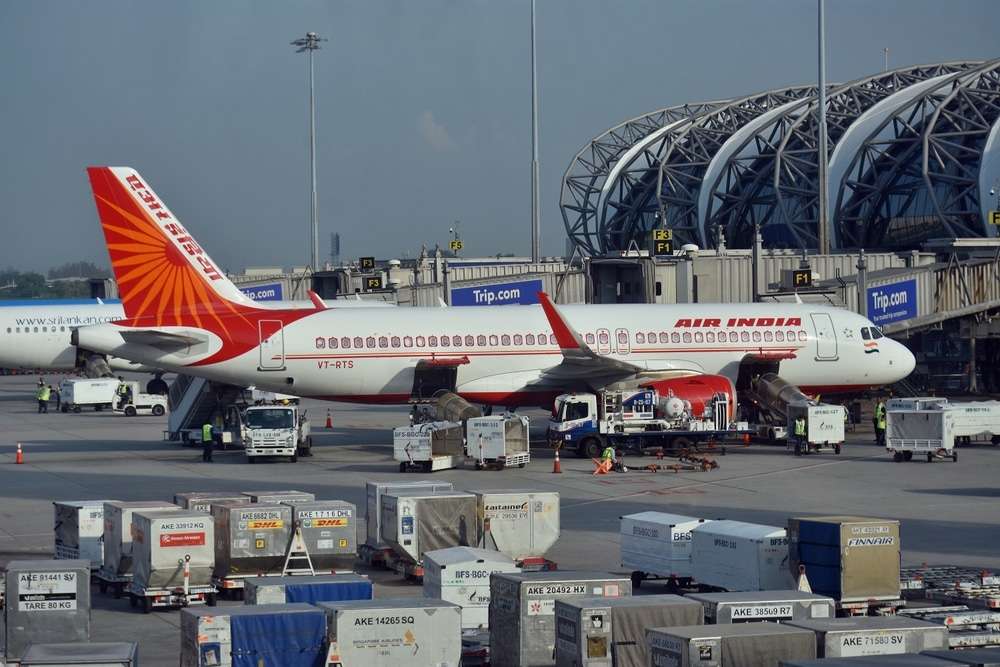
The aircraft, which has a capacity for 164 passengers, became the focus of investigations by the DGCA and others into how Air India allegedly failed to exercise due care, allowing this to happen.
At the time of reporting, the DGCA stated that, depending on its findings, it would not hesitate to impose a significant financial penalty on the airline and its senior officials, including CEO Campbell Wilson, for the negligence that led to this serious offence.
Regulators like the DGCA play a crucial role in maintaining industry safety in their region, but they cannot monitor every minor detail; as such, it’s the responsibility of airlines to stay up to date on key safety pillars.

Unfortunately, lapses like this on Air India’s part raise fresh concerns from the DGCA about whether it can allow the flag carrier to exercise such control over key safety areas that it appears to have overlooked.

ABOUT THE AUTHOR
Daniel Fowkes is a Melbourne-based aviation analyst and journalist with over a decade of industry experience. As founder of Dj’s Aviation, he delivers trusted analysis on aircraft, airline strategy and global aviation trends for djsaviation.net
Related Articles




Stay Informed
Get the latest aviation news, analysis and route updates delivered to your inbox.
We respect your privacy. Unsubscribe at any time.
Enjoyed this story?
Make us your go-to for aviation news
Add us as a preferred source on Google and see our latest stories first in Top Stories.
Add Us On Your News Feed