
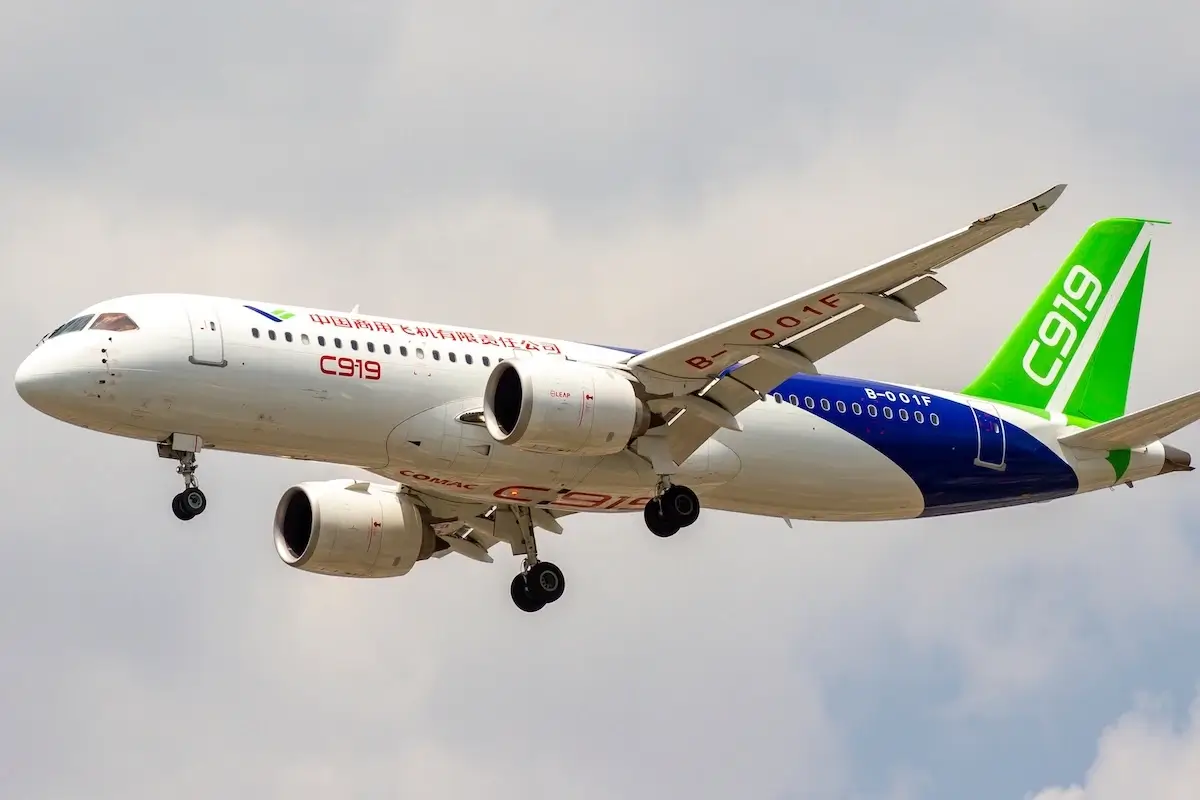
COMAC has received the neccesary approval from Brunei to operate its aircraft in this country.
Brunei now joins an evolving list of countries that have sought to approve the use of Chinese aircraft manufacturers, a list that, while minimal, is growing.
The aviation regulator of the country confirmed the news through a recent publication, which gives COMAC the confidence that it has the opportunity to pitch its aircraft to the airlines that call Brunei home moving forward.
For COMAC as well, it represents a step in the right direction in its broader bid to substantially increase its presence worldwide, in hopes of capturing market share from Airbus, Boeing, and Embraer.
However, COMAC’s ability to truly compete with these three leading planemakers has been tested over recent years, not just because of geopolitical tensions with the West but also because of its approval ratings in specific regions.
Western regulators remain standoffish about certifying the jet, and as a result, major commercial aircraft orders outside China have yet to be achieved.
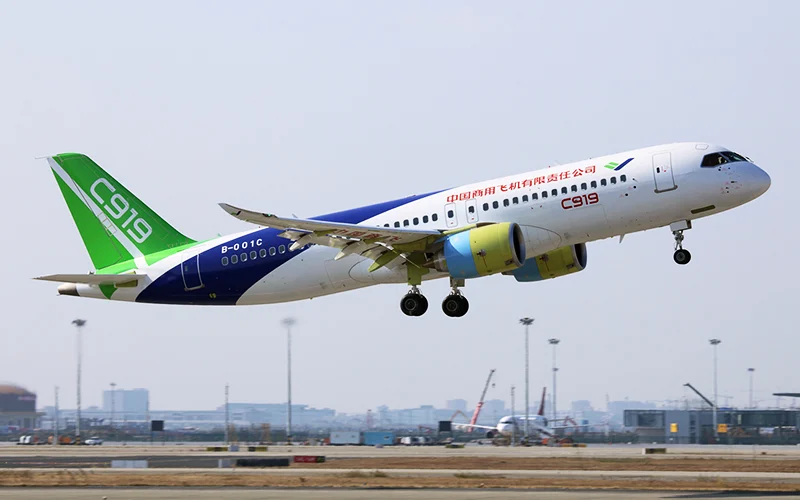
While COMAC can offer airlines an attractive delivery timeline due to its smaller backlog, it also carries many risks that airlines are unwilling or unable to take on because of the lack of approvals for the jets.
Some of those risks for COMAC include the spare parts market, maintaining the jets amid ongoing support, the quality of the aircraft being produced, and, naturally, political concerns, among others, that prevent airlines from buying the jet.
Thus far, COMAC has secured approval only in countries considered allies of China and, more importantly, only in neighbouring markets rather than those at a distance from China.
COMAC’s Answer To Airbus & Boeing
For COMAC, the C919 is what it would pitch to airlines as the genuine competitor to the Airbus A320neo and Boeing 737 MAX families, hoping that in the long term, this jet will make a splash around the world.
However, thus far, adoption of the C919 has been central to China, with orders outside of this market representing next to nothing of the backlog moving forward.

While COMAC has been determined to change this reality, it has had limited control over it as countries and regulators lock horns over the approval process and associated concerns.
Thus far in 2025, Korean Air has already said no to COMAC after the planemaker had been put forward as a solution to the South Korean company’s needs.
The airline rejected the proposal because of the many hurdles that remain unaddressed, highlighting the general hesitancy toward the planemaker despite its best attempts to take market share.
Korean Air is arguing that the product COMAC is putting forward is not a safe bet, and that its already long-standing relationships with more established planemakers are not worth breaking.
This was then followed by Ryanair being advised by U.S. lawmakers that it should not consider proposals from the Chinese planemaker to purchase its planes after Reuters highlighted an internal letter discussing the prospect.

Ryanair receives all its aircraft from Boeing; it is one of the American planemaker’s largest customers. Trade tensions aside, Ryanair has become frustrated by Boeing’s persistent struggles.
The planemaker has felt it can pounce on the misfortunes of global airlines, rather than providing a solution on the Western scene, but many onlookers doubt this.
These doubters would once more be supported by the lack of neccesary approval from Europe, meaning the jet cannot be flown across these markets and, largely, the entire Western scene.

ABOUT THE AUTHOR
Daniel Fowkes is a Melbourne-based aviation analyst and journalist with over a decade of industry experience. As founder of Dj’s Aviation, he delivers trusted analysis on aircraft, airline strategy and global aviation trends for djsaviation.net
Related Articles




Stay Informed
Get the latest aviation news, analysis and route updates delivered to your inbox.
We respect your privacy. Unsubscribe at any time.
Enjoyed this story?
Make us your go-to for aviation news
Add us as a preferred source on Google and see our latest stories first in Top Stories.
Add Us On Your News Feed