

A sizeable change at Boeing has been confirmed by the Federal Aviation Administration on Friday, September 26, 2025.
The governing regulator, which has been closely monitoring the planemaker for some time, has confirmed that it will permit limited delegation to Boeing for issuing airworthiness certificates for certain 737 MAX and 787 aircraft.
The latest change will take effect on September 29, 2025, and this airworthiness certificates essentially confirms that the aircraft in question, either the 737 MAX or 787, is safe to operate.
Such a decision has caused discussion around the world, given Boeing’s track record, but the FAA says that the move is a step forward and is only being made because of their confidence in the planemaker that it can safely be done
The FAA has been conducting a thorough investigation into the planemaker’s production practices, aiming to determine the root cause of the persistent quality issues and identify measures to prevent them from recurring.
Those quality investigations arguably got significantly stronger when a door blowout incident occurred at the top of 2024 aboard an Alaska Airlines 737 MAX jet.
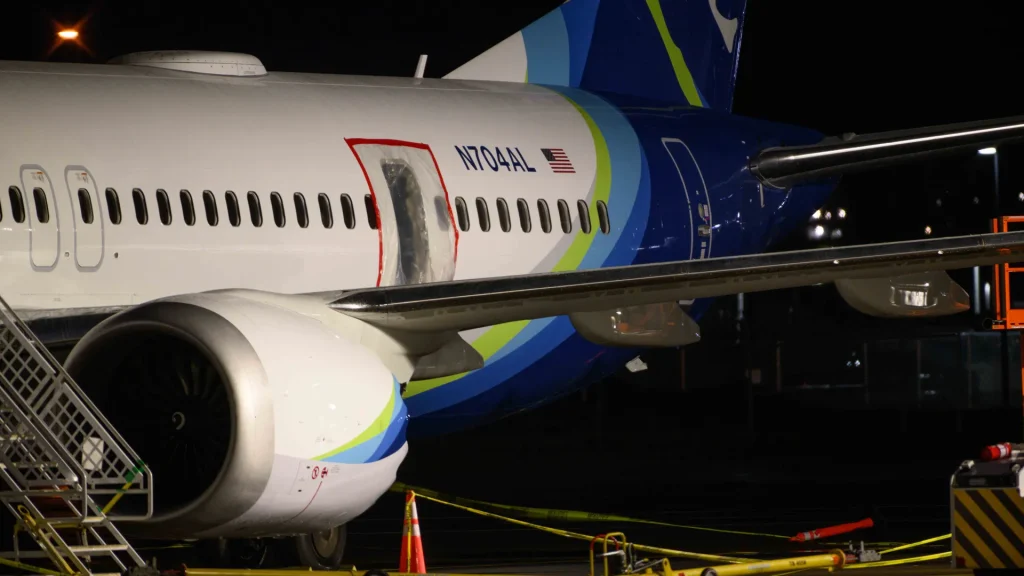
Ultimately, this incident occurred at a time when many were under the impression that the planemaker had made improvements in quality, but further inspections would reveal that this was a much more widespread problem than initially thought.
More On The Boeing Change
Boeing’s authority to issue airworthiness certificates for the 737 MAX came to a screeching halt in 2019, following two fatal accidents involving newly delivered planes.
Meanwhile, the planemaker’s ability to issue the same certificates for the 787 was hindered in 2022 due to the continued presence of quality concerns, which led to production halts and delivery delays.
While seeming a shock to those newer to the industry, planemakers rely on these types of permissions from regulators in an effort to continue increasing output and meeting demand for their planes.
The FAA has stated on several occasions that it remains impossible to watch over every single aspect of production for every aircraft, for a plane would take years to be delivered; therefore, the regulator needed to get to a point where it could allow Boeing to take greater control without the fear of persistent quality slip-ups.
With this authorisation, the regulator states that the limited delegation to Boeing will enable them to provide additional surveillance during the production process.
Moving forward, more FAA inspectors will be able to observe critical stages, where they can examine trends and ensure that Boeing mechanics are performing work to an approved standard.
The regulator will continue to assess whether the engineering requirements are met and whether Boeing continues to improve its Safety Management System (SMS), an area of the business that has been under considerable pressure.

ABOUT THE AUTHOR
Daniel Fowkes is a Melbourne-based aviation analyst and journalist with over a decade of industry experience. As founder of Dj’s Aviation, he delivers trusted analysis on aircraft, airline strategy and global aviation trends for djsaviation.net
Related Articles




Stay Informed
Get the latest aviation news, analysis and route updates delivered to your inbox.
We respect your privacy. Unsubscribe at any time.
Enjoyed this story?
Make us your go-to for aviation news
Add us as a preferred source on Google and see our latest stories first in Top Stories.
Add Us On Your News Feed