

Boom Supersonic aims to launch by 2029, with three-hour London-to-New York flights on the cards.
With the use of a full-scale aircraft, known as Overture, led by Blake Scholl, the founder and CEO, achieving a launch before the end of the decade is a top priority.
Speaking on the Skift Travel Podcast, Scholl said that the barriers previously in place, both regulatory and technological, have been addressed by the business.
The development of the XB-1, a smaller demonstrator, has been key to understanding how to develop Overture, the full-scale aircraft, at some point.
Meeting regulations has been key, and the Boomless Cruise, a technique that allows Overture to fly at supersonic speeds without creating a shockwave, is crucial to achieving overland flight without disturbances.
Boom Supersonic, despite facing pushback, has made significant progress with its XB-1 and studies, stating that it took only a matter of months to acquire the crucial approval to reverse regulatory bans on supersonic flight.

To meet the 2029 launch of scheduled passenger flights in time for the turn of the decade, Boom Supersonic must meet key deadlines, including the rollout of the first full-scale Overture by 2027.
One year after the rollout, Boom needs to get Overture airborne, followed by the first delivery a year later. This is a significant undertaking, a two-year certification process that, once implemented, is something even established planemakers like Airbus and Boeing cannot achieve.
Who Has Bought The Overture?
When Boom Supersonic launched, its intentions were clear: that a market did exist for the aircraft and that it would redefine how travel was conducted.
So far, interest in the product being put forward by the business has been mixed; not all airlines are entirely behind Overture, and some believe that Boom Supersonic can create a feasible jet, as they say.
With that being said, several companies have since the program’s inception invested in it with the intention of purchasing planes; none have promoted it more than United Airlines.

United Airlines committed to 15 of the type and also had options for an additional 35, plastering billboards around the United States hailing the jet as a game-changer for its future.
Fellow U.S. carrier American Airlines has also purchased the aircraft, making it the second airline in the United States to order 20 of the planes, with 40 additional options.
The first customer came from outside the U.S., specifically Japan Airlines, which had pre-ordered Overture jets before a major redesign occurred; their deal had been finalised almost a decade ago, in 2017.
However, many of the orders placed by airlines follow a new trend of investing in start-ups that aim to innovate and change the industry’s landscape.
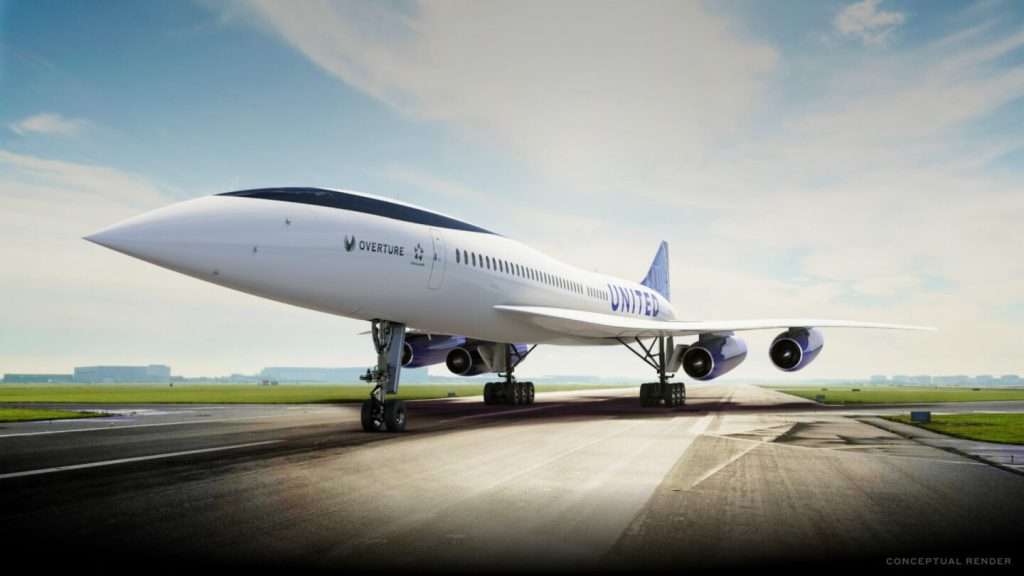
The deals are often sizable, attract fanfare, and help show shareholders that the business is looking towards the future. However, these airlines are not stupid and would not invest such a sizable amount of money without having ways out of the contract.
As a result, many of these deals may not proceed, and Overture may not reach launch. However, the investment from these three airlines has been evident. Now, Boom must get to work to provide them with the plane they have put their confidence in.
Boom Supersonic Criticisms
Despite the business’s mission to launch by 2029, Boom Supersonic has faced its fair share of criticism from analysts, airline executives, and others. But what have been the key talking points?
One of the biggest is the business case doubts, which involve the viability of the product being a long-term success. As said by Ed Bastian, the CEO of Delta, the only airline of the big three that didn’t commit to Overture, there are more questions than answers.
Additionally, Overture would be an expensive asset, with the economics required to break even for the company itself a cause for concern, which would significantly limit the customer base, let alone for an airline with a business case to operate the jet.
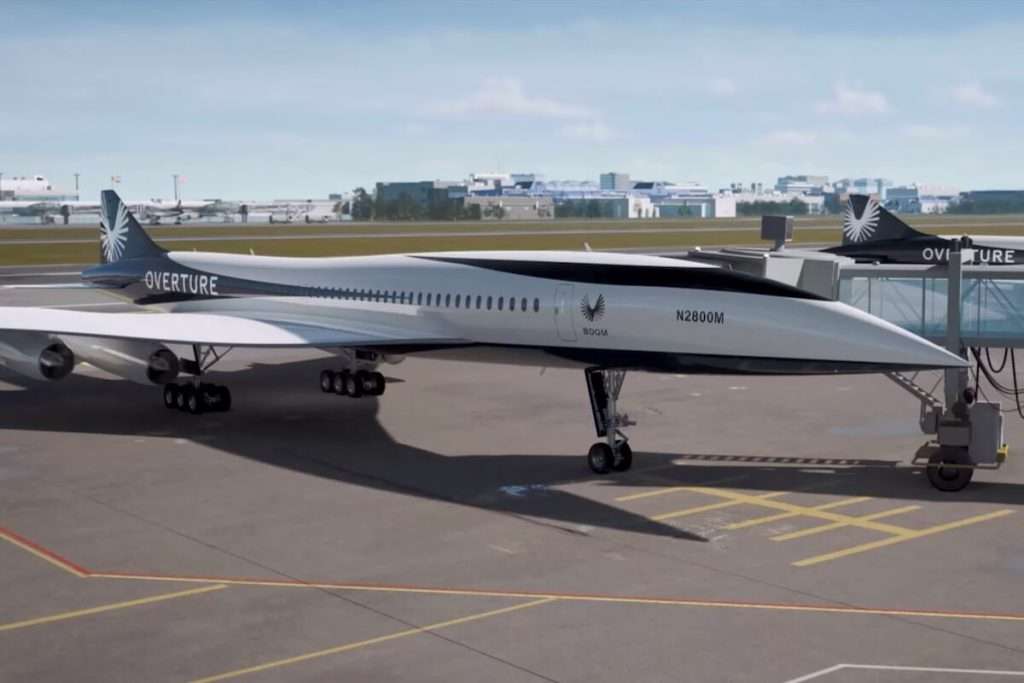
While Boom Supersonic has been making strides in innovation, uncertainties remain over the environmental and noise impacts that’ll be felt, as well as the workarounds and the cost/time associated with implementing the fixes.
Ultimately, while the business highly touts the return of supersonic travel, and many onlookers would love to see it return for convenience, numerous roadblocks still exist.
Some of the harsher criticism has centred around the persistent teaser companies that are purely for investor interest rather than when real hard-hitting development can occur.

ABOUT THE AUTHOR
Daniel Fowkes is a Melbourne-based aviation analyst and journalist with over a decade of industry experience. As founder of Dj’s Aviation, he delivers trusted analysis on aircraft, airline strategy and global aviation trends for djsaviation.net
Related Articles




Stay Informed
Get the latest aviation news, analysis and route updates delivered to your inbox.
We respect your privacy. Unsubscribe at any time.
Enjoyed this story?
Make us your go-to for aviation news
Add us as a preferred source on Google and see our latest stories first in Top Stories.
Add Us On Your News Feed