

Boeing recently confirmed it would axe 38 orders for its upcoming 777X long-haul series, reducing the firm backlog.
A decision saw the units moved into a specific accounting bucket, in which Boeing placed orders that it did not believe would have the legs to get over the line firmly.
However, why is Boeing removing these orders? What’s the outlook for the program, and what’s next regarding orders?
The Order Removals
When publishing its latest orders and deliveries for January, Boeing took the time to make necessary adjustments to its order book for the upcoming 77X, which received considerable attention.
As highlighted first by Flightglobal, 38 aircraft were removed from the backlog, and these units were placed in an accounting bucket, which is not a frequent occurrence.
This accounting bucket is part of the Boeing business and allows the planemaker to put aircraft orders that have question marks around finalising somewhere.
Ultimately, there can be many reasons why deals such as these may not go ahead; however, the accounting bucket and changes such as Boeing’s represent a chance for the planemaker to secure itself moving forward.
Factors such as financial troubles at the customer of the aircraft orders due to economic reasons could prevent a deal from going through, and Boeing could react by placing orders into the accounting bucket.

Thus far, the 777X has only accumulated orders from high-profile international customers, but the 38 units that have been moved into a separate accounting bucket have not been identified publicly yet.
However, the adjustments show that the overall backlog of the 777 program is now visible, with the previous figure of 464 dropping 38 units across the upcoming 777X and the existing 777F.
New 777X Orders
Despite the adjustments, Boeing has been experiencing healthy demand levels for its upcoming 777X jet, with a dull patch of orders ending a couple of years ago.
Many commitments have been secured for the aircraft type in the last two years, and while airlines are frustrated by delays, more carriers are looking to renew their fleet and see the 777X as a long-term solution.
Riyadh Air is currently looking to place a healthy long-haul aircraft order, and the 777X has once again been cited as a prospective type that will be pitted against the A350-1000 for the deal with 50 units up for grabs for a planemaker.
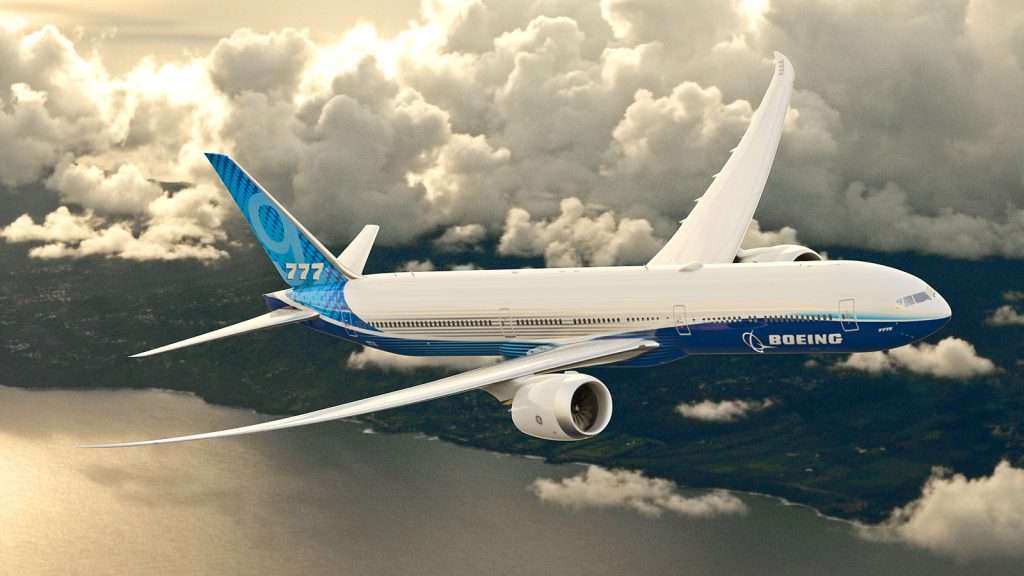
Other airlines are also expressing their interest in the 777X. This plane was announced in 2013 and, while it has yet to enter commercial service, was introduced at a time when its predecessor was still relatively new with most airlines around the world. Thus, a replacement was not being sought at that time.
Furthermore, as airlines look to offload their quad-engined planes for more efficient twin-engine types, the high-capacity 777X will help them continue advancing their long-haul fleet.
What’s Next For The 777X?
Boeing will need the next few years to prepare, as it has yet to see its exciting long-haul product, the 777X, certified and flying with passengers.
Boeing initially hoped to see its 777X enter service in 2025; however, delays have made this impossible, and this aforementioned timeline was scrapped with revisions required.
The planemaker believes certification and the first delivery will occur in 2026, provided no further hiccups are felt across the program.
Despite this, some airlines, such as Emirates, remain sceptical about whether the planemaker will be able to stick to its timeline given its track record. If this period Boeing announced were to be confirmed, it would still represent a six-year delay.
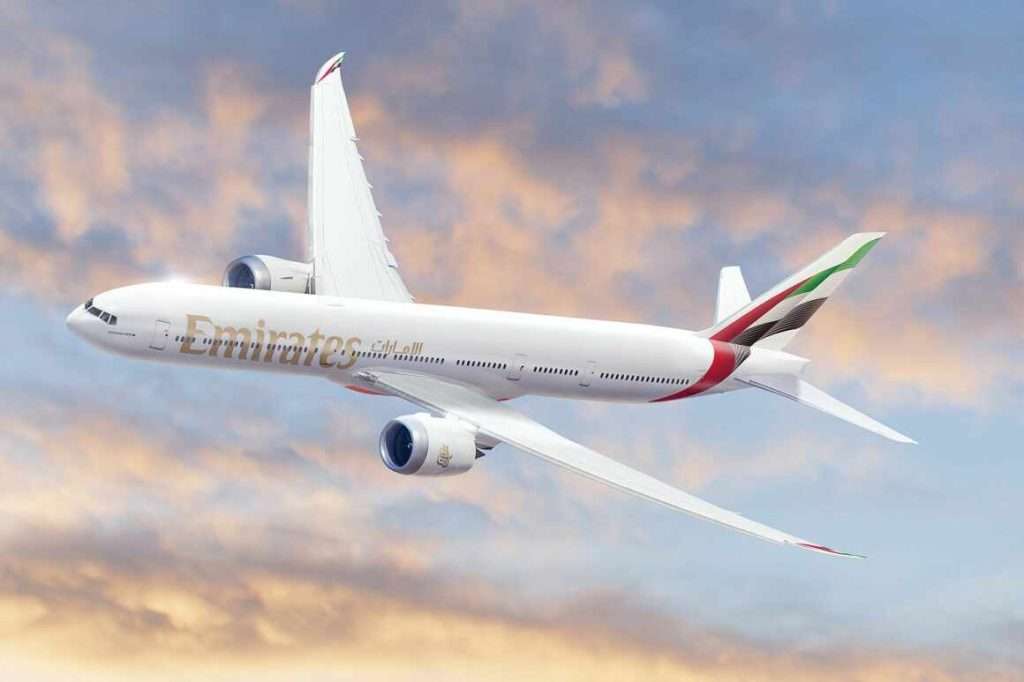
While delays are common to new commercial aircraft, for the significant ones felt on the 777X, this would be viewed as abnormal and considering Boeing’s complicated operations across recent years, every niggle has been highlighted.
Worse still, Emirates scepticism sees it most recently discussed that it was expecting further delays that would push the first delivery back to Q2 2027 at best and, at worst, a first delivery in 2028.
Moving forward, Boeing needs to ensure that there are no other concerns in the certification test flight process that would delay progression and that it can continue to abide by the FAA’s requirements.
Ultimately, once this plane is certified and deliveries commence, a substantial amount of pressure will be alleviated off the shoulders of Boeing. When that is, however, the multi-billion dollar question remains on the lips of many.

ABOUT THE AUTHOR
Daniel Fowkes is a Melbourne-based aviation analyst and journalist with over a decade of industry experience. As founder of Dj’s Aviation, he delivers trusted analysis on aircraft, airline strategy and global aviation trends for djsaviation.net
Leave a Reply
Related Articles




Stay Informed
Get the latest aviation news, analysis and route updates delivered to your inbox.
We respect your privacy. Unsubscribe at any time.
Enjoyed this story?
Make us your go-to for aviation news
Add us as a preferred source on Google and see our latest stories first in Top Stories.
Add Us On Your News Feed
Who were the orders for?
Customers can get earlier deliveries by simply dusting off some stored L1011s. They are certified and they are proven.
Very good information for the countries preparing for flight operations of B-777X.
President of Board of Officers feasibility/compatability study of B-777X
Pakistan Airport Authority
Good post but I was wondering if you could write
a litte more on this topic? I’d be very thankful if you could
elaborate a little bit more. Thank you!