

Analysts have significantly discussed the idea of an Airbus A380neo, and Emirates, the largest operator of the A380-800, is driving this dialogue.
The concept, primarily driven by the airline’s president, Sir Tim Clark, involves a re-engine version of the A380-800, which would be equipped with more fuel-efficient engines, among other changes.
These changes would address some of the original model’s inefficiencies, which led to its decline and the cessation of production. These improvements would reduce fuel burn by up to 12–14%.
Emirates’ day-to-day Operations make sense for an A380neo, given its reliance on aircraft such as the A380-800. The airline has built its brand around the superjumbo.
Additionally, Emirates hasn’t been afraid to discuss its belief that growing passenger numbers and increasingly congested airports will eventually require airlines to revisit high-capacity aircraft.
A more efficient A380 would allow Emirates to operate its hub-and-spoke model effectively, moving large volumes of passengers through Dubai while keeping per-seat costs competitive, even if it relies somewhat on twin-engine jets.
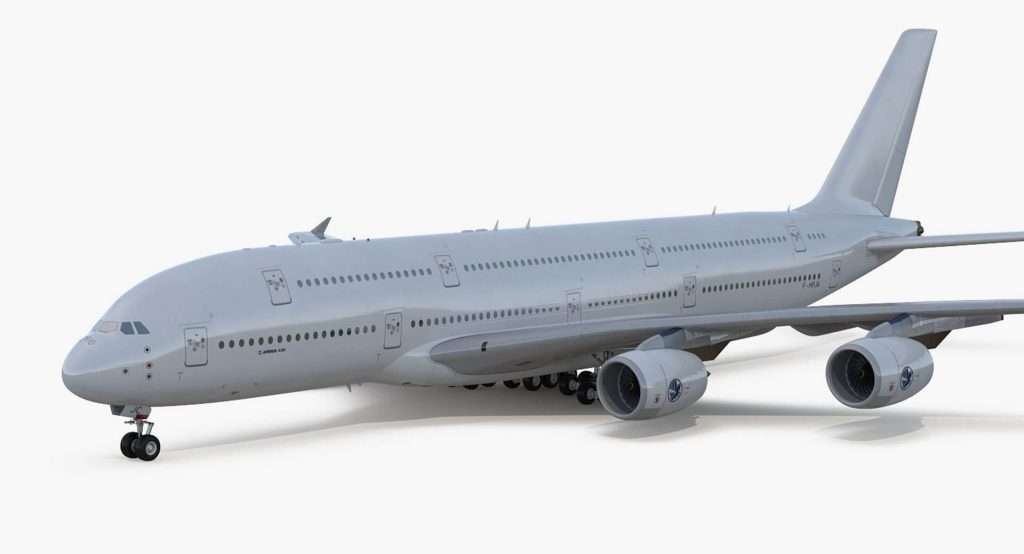
Despite this, Airbus has shown no interest in developing an A380neo, and the reasons go far beyond a simple lack of demand and Emirates’ $20 billion offer to the planemaker.
Downfall Of The Airbus A380
The Airbus A380 was designed to revolutionise air travel, compete with Boeing, and mitigate the long-drawn-out sales of the 747 model. In essence, the aircraft would look to offer airlines an ultra-high capacity for long-haul routes.
However, Airbus’ hopes for the program were arguably never fully realised, with Emirates carrying the program. Instead of relying on large aircraft to transport passengers between major hubs, airlines shifted toward smaller, more efficient twin-engine planes that could fly point-to-point routes.
This shift in strategy, coupled with the A380’s premise, resulted in weak sales. The four-engine configuration made operating expensive when fuel prices only continued to fluctuate.
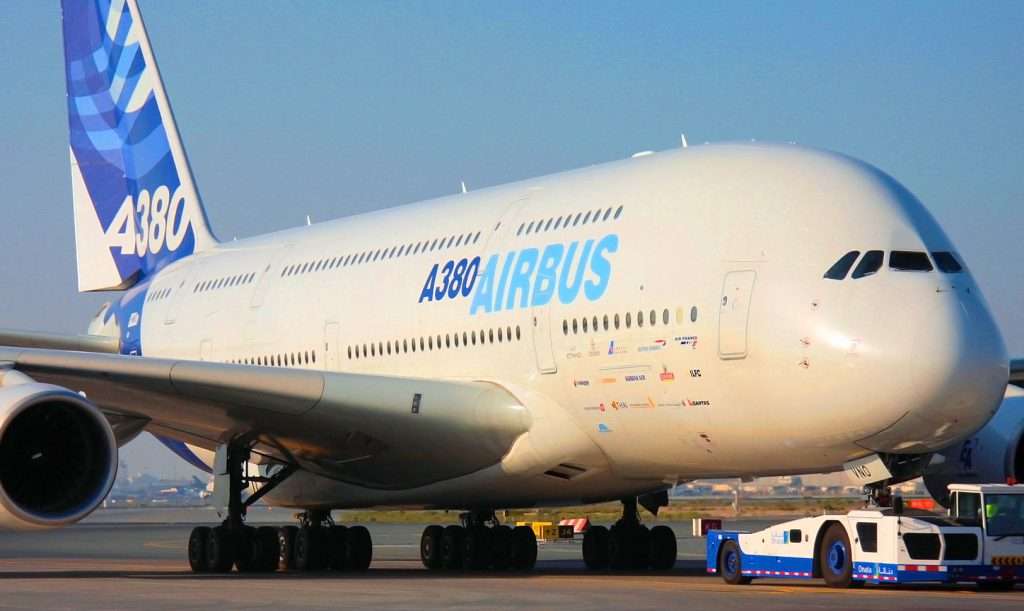
Additionally, the A380 was restricted to a limited number of airports due to its size, requiring extensive infrastructure modifications that many airports were unwilling to make.
The rapid advancement of new-generation aircraft compounded the issue for the A380. The Boeing 787, Airbus A350, and later the Boeing 777X all provided long-haul capabilities with far superior fuel efficiency.
Airlines, therefore, found these aircraft more adaptable to their needs and offered far less risk concerning adoption than the much larger models.
Despite its popularity among passengers, the A380 ultimately suffered. By 2021, Airbus ceased production after years of dwindling orders, with Emirates being the only airline to continue backing the jet throughout the 2010s.
Why The A380neo Isn’t Being Built
Emirates continued to firmly push for an updated version even at the beginning of 2025. It stated that it had submitted designs for the aircraft to the planemaker.
However, Airbus firmly believes that an A380neo is not a viable project. One of the main reasons for this decision is the immense financial and logistical challenge of restarting production.
When Airbus discontinued the A380, it dismantled the entire manufacturing supply chain, including tooling, production jigs, and the specialised workforce required to build such a complex aircraft.

Reestablishing the production infrastructure would be expensive and time-consuming, requiring billions in investment without guaranteeing success. Despite Emirates’ confirmation that they would commit to the program, would this be enough, and more importantly, would it affect the planemaker in the future?
Beyond the production challenges, the demand for ultra-large aircraft remains weak. As the industry has evolved, most airlines prioritise flexibility and cost efficiency over sheer capacity.
Emirates Pleads For The A380neo
Another key reason Airbus has ruled out an A380neo is because Emirates alone cannot justify the project. While Emirates operates over 100 units and sees value in an upgraded version, the lack of interest from other airlines means Airbus would struggle to break even on development costs.
Aircraft programs require a broad customer base to be financially viable, and no other airline has expressed serious interest in a next-generation A380 and views the -800 model as simply a short-term solution as they navigate supply chain complexities.
Emirates says it has submitted designs to Airbus and believes it offered USD 20 billion to ensure that Airbus would build the plane, but that is not a given, and Airbus has not publicly entertained these comments.
Other Focuses At Airbus
Airbus also has other strategic priorities. The manufacturer is focused on its highly successful A350 program, which has become the long-haul flagship. The development of the A350-1000ULR and A350F showcases the future.

The company is also investing in next-generation aircraft technology, including hydrogen propulsion, which, while delayed, remains a focus moving into the future.
Other focal points include the popular A320neo family and, indeed, the A321neo with the latest A321XLR release to capture the attention of airlines worldwide.
Instead of moving ahead with an ultra-large capacity airliner, the company focuses on aircraft that meet future environmental standards and align with trends visible across the industry.
What This Means For Emirates
With Airbus unwilling to develop the A380neo publicly, Emirates will eventually retire its flagship aircraft without a direct successor.
To adapt, Emirates is already diversifying its fleet. The airline has placed significant orders for the Airbus A350-900 and Boeing 787-9. While these aircraft are smaller, they allow Emirates to serve more routes without the financial risks of filling a superjumbo.
Additionally, Emirates is betting on the Boeing 777X as its next flagship aircraft. While not as large as the A380, the 777X offers high-capacity seating configurations. This jet has seen delays but, on paper, should be a success.

Diversification will be key, but Emirates will remain committed to the A380-800 for many years. The carrier has stated that it expects to retain the jet until the early 2040s, likely making it the last operator of the world’s largest passenger plane.
To Conclude
The A380neo remains a conceptual aircraft driven by Emirates, not necessarily that of the planemaker Airbus. At this stage, the manufacturer has no interest in visiting the project.
The same forces that led to the original A380’s decline, including high operating costs, limited demand, and the rise of efficient aircraft, exist today in 2025.
Furthermore, Airbus has moved on to other priorities, focusing on the genuine next generation of flight, whether through investments in hydrogen or developing additional models to its existing portfolio.
For Emirates, the absence of an A380neo means adapting to a future without its all-important and beloved superjumbo, which will likely be retired by the early 2040s.
As a result, Emirates will be forced to see its strategy evolve, and the integration of new aircraft will have to occur in its fleet to align with movements in the industry.

ABOUT THE AUTHOR
Daniel Fowkes is a Melbourne-based aviation analyst and journalist with over a decade of industry experience. As founder of Dj’s Aviation, he delivers trusted analysis on aircraft, airline strategy and global aviation trends for djsaviation.net
Related Articles



Stay Informed
Get the latest aviation news, analysis and route updates delivered to your inbox.
We respect your privacy. Unsubscribe at any time.
Enjoyed this story?
Make us your go-to for aviation news
Add us as a preferred source on Google and see our latest stories first in Top Stories.
Add Us On Your News Feed