

The Boeing 737 MAX and the prospective Airbus A322 are simultaneously two offerings realised or conceptualised to develop the industry.
Boeing’s MAX series has become a staple despite its persistent challenges. Today, it is seen globally as a workhorse for single-aisles operations. The plane is comprised of several variants, some certified and some not.
The A322 is a prospective single-aisle jet aimed at developing the broader A320neo family in a positive direction, with a pent-up demand and a desire for innovation.
As Airbus looks to counter Boeing’s advances and make the most of their struggles, what does the future of the single-aisle space look like, and will the A322 take over the MAX’s role?
Introducing the 737 MAX & A322
Boeing introduced the 737 MAX over a decade ago to help develop the single-aisle market. In response to the persistent advancements of competitor Airbus, which launched its own A320neo,
Boeing’s MAX program represents an evolution of the classic 737 design. While remaining a pillar of airline fleets, analysts have argued that this dated design needs substantial upgrades in the next generation, such as a clean sheet.
At this point, the family includes several variants, from small-capacity versions to high-capacity ones and some in between that are deemed more conventional than the base models. Therefore, capacity can dramatically range from 150 to 230 passengers, and configurations will also play a role.

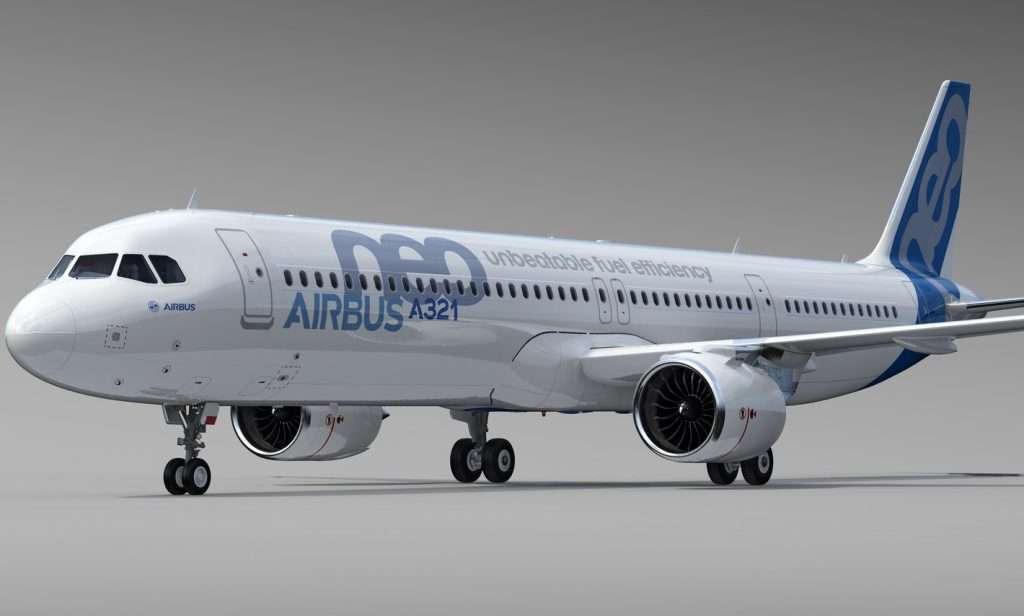
In contrast, the Airbus A322 is not yet a reality but represents a prospective addition to Airbus’ successful A320neo family powered by studies that occurred in recent years.
If launched, the proposed aircraft would be a stretch version of the A321neo but with far-reaching, groundbreaking adjustments, as it aims to push the boundaries of single-aisle flying.
As a result, the advancements would outdo the MAX program significantly, and even the A320neo series, which is already established, would allow the A322 to carve out a new era for short- to medium-haul travel.
Although Airbus has not formally launched the A322, the concept would look to see new engines fitted, a potentially new wing design to explore better means to fly efficiently and updated avionics.
While the A320neo program is new, the A321XLR has just launched. Airbus knows the high demand for aircraft such as these and is already laying the groundwork for the eventual successor to the new program.
A Focus On The 2030s & Beyond For Aircraft
As manufacturers look to battle with each innovation, it is hugely important, and focusing on the core principles of what would embody a next-generation single-aisle aircraft is crucial.
Current studies by Airbus, backed up by industry analysts, suggest that future designs will incorporate improvements, such as new engine technologies and further aerodynamic and system improvements, to achieve better fuel efficiency and reduced emissions, as is typical with any new aircraft launching.
While the launch of a new commercial airliner from Airbus may not carry the name of the A322 as proposed across the last half-decade, the ideas will be a core focus.
Those ideas differentiate the 737 MAX from the prospective Airbus A322. The MAX is now a solution to the industry’s need for more efficient planes, but it likely won’t be the primary solution in the 2030s.
As a result, Airbus and even These advancements are critical as the aviation sector faces mounting pressure to align with global sustainability targets, reduce carbon footprints, and address noise pollution.
Airlines Will Need Replacements
Another fundamental focus is the need for airlines to have replacements to align with their sustainability targets. This then has a cascading effect on Airbus and Boeing, which must develop their offerings.
Currently, the 737 MAX and A320neo families are the two available options. The MAX and A320neo offer significant improvements, but the A322 was perceived as a new, definitive era for travel.
Moreover, although the 737 MAX brought improvements over the previous 737 NG series, its fundamental design dates back to the 1960s, meaning it cannot remain competitive indefinitely.
Similarly, while the A320neo has become a cornerstone of Airbus’ success, the need for a successor that delivers even more outstanding performance is inevitable. For Airbus, not risking the same mistakes experienced at Boeing with the MAX is key.
This is where concepts like the A322 become relevant and why early studies began taking shape several years ago. As an aircraft designed from the ground up, the A322 could incorporate improvements to build on current and future trends that could not be addressed with the A320neo platform.
This is, therefore, unlike the 737 MAX, which has already been in production and operation and thus has limitations that cannot be addressed until a new offering exists.
The A321neo’s Success and the Role of the A322
The rise of the A321neo has helped propel a discussion on what is next to succeed, given the current need for high-capacity single-aisle jets.
With thousands of orders, the A321neo has become the best-performing model in the A320neo family, driven by its ability to operate longer routes traditionally served by wide-body jets.

The A321XLR, a long-range variant of the A321neo, has expanded that appeal and enjoyed its success after entering service and transforming airline operations.
Talk of an A322 has risen from all of this, and the lack of it could take this concept even further by combining greater capacity with the range and efficiency airlines increasingly demand.
Critical Few Years Ahead For Airbus & Boeing
The future of single-aisle aviation is shifting toward aircraft that can offer flexibility and sustainability.
While the 737 MAX and A321neo families have set benchmarks for efficiency and performance, the next generation of aircraft will need to go even further, arguably.
This is where the proposed A322 was to stand out from the current offerings. Airbus is already studying technologies for its next commercial aircraft, especially as a replacement for the A320neo program.
Thus, the A322 and the existing 737 MAX represent two very different types of planes, conceptually and in reality. Planemakers strive to meet current demands while also focusing on the long-term future.

ABOUT THE AUTHOR
Daniel Fowkes is a Melbourne-based aviation analyst and journalist with over a decade of industry experience. As founder of Dj’s Aviation, he delivers trusted analysis on aircraft, airline strategy and global aviation trends for djsaviation.net
Related Articles

Stay Informed
Get the latest aviation news, analysis and route updates delivered to your inbox.
We respect your privacy. Unsubscribe at any time.
Enjoyed this story?
Make us your go-to for aviation news
Add us as a preferred source on Google and see our latest stories first in Top Stories.
Add Us On Your News Feed