
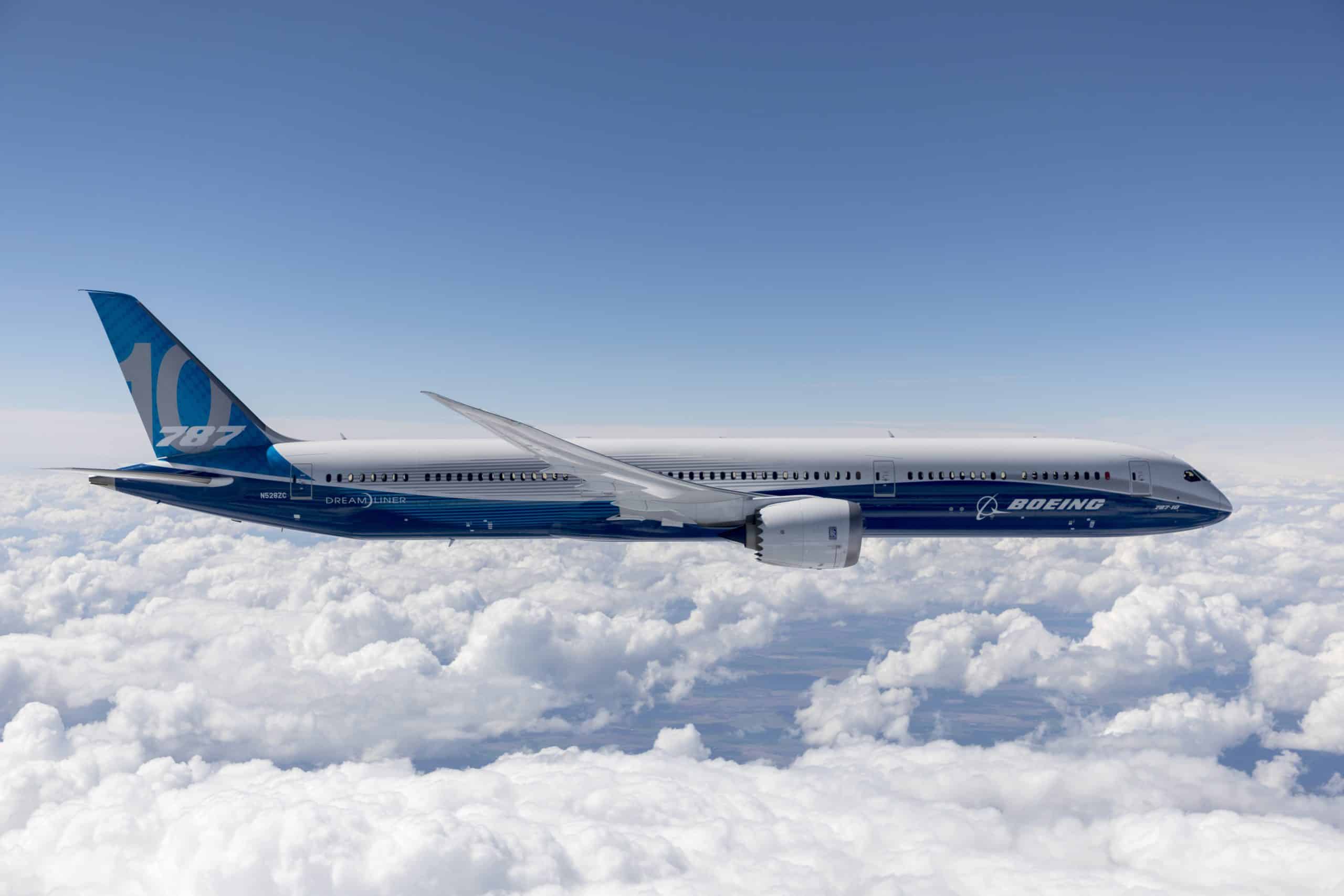
After a lengthy seven weeks, the strike action rampaging through the Boeing operation is set to end after striking employees and their union accepted a new rectified contract.
Towards the midway point of September, over 30,000 Boeing employees walked off the job in a bid to seek better employment conditions.
In the premise, these employees, represented by the International Association of Machinists and Aerospace Workers, sought a 40% rise in their overall wage.
Following this walkout, commercial aircraft divisions across Boeing were massively affected, from the ever-so-popular MAX jet to the 767 and 777 families. All these aircraft were crucial to Boeing’s operation, but all these families were affected by employees who walked out.
Over the last seven weeks, Boeing has proposed multiple contracts with remedied terms to get employees back on their side and, more importantly, back to work. However, on each occasion, these deals have fallen through and been overwhelmingly rejected, with the terms not coming close to the 40% targeted.
Those rejections were until the end of last week when Boeing put forward a new agreement that reflected a 38% pay rise across four years, along with bonuses.
These elements coming together in a deal were key to getting something done. The International Association of Machinists and Aerospace Workers initially supported the deal, which would need to be voted on.
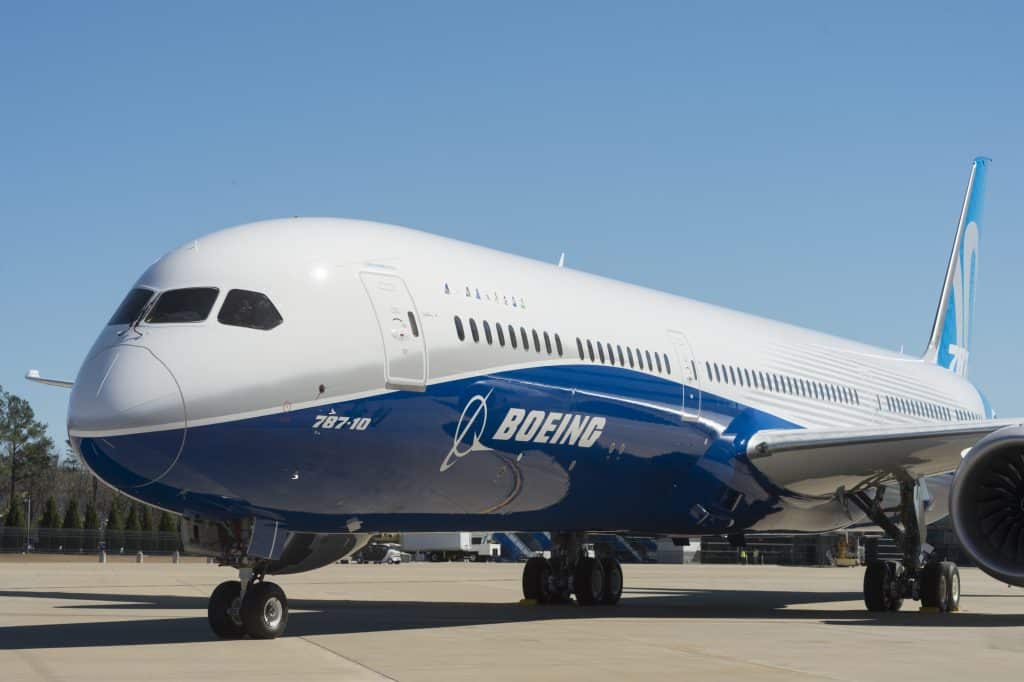
Now, a vote has seen close to 60% of members who cast ballots regarding the deal agree to the fourth formal offer. While not reaching 40%, it’s seen as a substantial enough increase to eradicate the need for strike action.
More importantly, it allows Boeing to get its workers back on the side under the new leadership of Kelly Ortberg, who has said his staff are among his biggest priorities for moving more steadily to a rebuild.
This rebuild, estimated to take nearly five years, aims to fundamentally transform the Boeing operation and erode the negativity placed on the planemaker for so long, arguably rightfully so.
While there is still negativity around the planemaker and substantial oversight, Boeing’s ability to get employees back on the production floor is a huge win despite the considerable expense it will cost them over the coming years.
Boeing Employees Have Been Hurting
Employees at the American planemaker have a long distaste for upper management. The last decade has been long and tough.
The last ten years have revealed a lot about Boeing’s procedures, which have prioritised finances rather than employee wellbeing, quality and safety standards of aircraft, and much more.
Many employees on the floor have openly come out and felt pressured by upper management to meet tight, unrealistic aircraft deadlines without corners being cut. Furthermore, some employees have also spoken up about how their comments regarding quality concerns were ignored in favour of getting planes out as quickly as possible.
The disconnect between production workers, engineers, and other workers and their upper management has needed remedying for some time. With a new contract and new leadership, Ortberg will be hellbent on fixing this.
Ortberg believes Boeing is one, and while the last period has proved difficult, it can holistically move forward as one and toward a more positive future where the planemaker can thrive again as one of the most successful and prestigious companies, not just within the United States but the broader world.

ABOUT THE AUTHOR
Daniel Fowkes is a Melbourne-based aviation analyst and journalist with over a decade of industry experience. As founder of Dj’s Aviation, he delivers trusted analysis on aircraft, airline strategy and global aviation trends for djsaviation.net
Related Articles

Stay Informed
Get the latest aviation news, analysis and route updates delivered to your inbox.
We respect your privacy. Unsubscribe at any time.
Enjoyed this story?
Make us your go-to for aviation news
Add us as a preferred source on Google and see our latest stories first in Top Stories.
Add Us On Your News Feed