

The largest customer of the upcoming 777X is Dubai-based Emirates.
While typically having a fleet of young and modern aircraft, this company relies on very few families and thus commits quite heavily to each aircraft it can.
The upcoming 777X is no exception. Although it was among the first orders long ago, the company returned for more at the end of 2023.
Ultimately, this commitment comes more than a decade after the aircraft was first announced, but why has the airline ordered this aircraft?
Emirates & The Boeing 777
The development of the 777 families is worth exploring. The 777 family burst onto the scene at the time as an efficient widebody that could complete a wide array of long-haul missions with just two engines.
This widebody benefitted from the development of ETOPS. Emirates believed this to be an ideal solution for its needs as it looked to refine its aircraft.
Furthermore, the 777 development aligned with Emirates’ intention to grow as a company and look to boost the hub of Dubai further; thus, seemingly, all the stars aligned.
Emirates flew well over 100 Boeing 777s, edging closer to 150 at its peak, and didn’t leave a stone unturned regarding the variants it flew. Almost every variant had a place in its fleet.
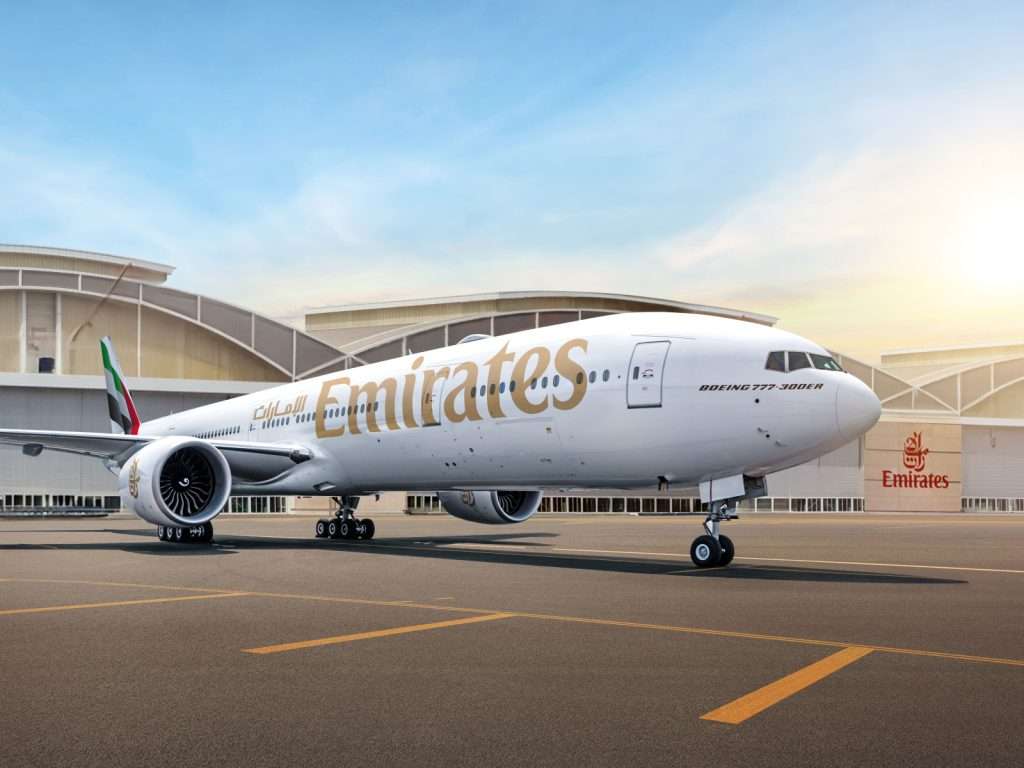
Nowadays, the number of variants has reduced, but the overall utilisation when focusing on the purpose has largely remained the same.
Emirates uses the series on a wide array of missions across its network. Still, these planes aren’t getting any younger, and because of Emirates’ business model of having a young fleet, it has always been actively looking towards replacement.
While the idea of keeping a younger fleet has been somewhat discarded because of delivery delays across a host of expected aircraft types, the company is still forward-thinking.
A Direct Replacement?
So, when Boeing announced they would enhance the beloved 777 further into the 777X, it’s not hard to see why Emirates was immediately interested in the proposition.
Essentially a like-for-like replacement, the 777X will also play a role in the eventual retirement of the A380, given its high-capacity nature.
This is about as close as one could get to replicating what the superjumbo has done for the Dubai-based carrier, for there is no direct replacement for that aircraft.
The 777X is the perfect replacement for the A380. If the series meets expectations once delivered, Emirates will likely order more units later, similar to the Airbus A380.
Emirates’ commitment to the 777X doesn’t come as a shock. While it’s the ideal purchase for growth and fleet replacement, the latter reason has a lot more weight behind it.
The 777X is the perfect replacement for existing 777 units that are beginning to age and will be retired.
But equally, by the 2040s, when Emirates has retired all Airbus A380s, and certainly before then, as more units disappear and the total active fleet drops considerably, there needs to be an alternative to high-capacity routes that consistently have higher-than-average load factors.
The 777-9, unless something better enters the market, will be best poised to offer what Emirates needs.
Enhancing The Entire Fleet
While the 777X will have a role in replacing the 777s, it will also significantly enhance Emirates’ fleet with its advanced specifications.
The importance of replacing the Airbus A380s cannot be overstated. Once the 777X enters service, it will be one of the only high-capacity and efficient aircraft types in production.
There are few other alternatives for airlines relying on high-capacity travel, and more quad-engined aircraft are on their way out.
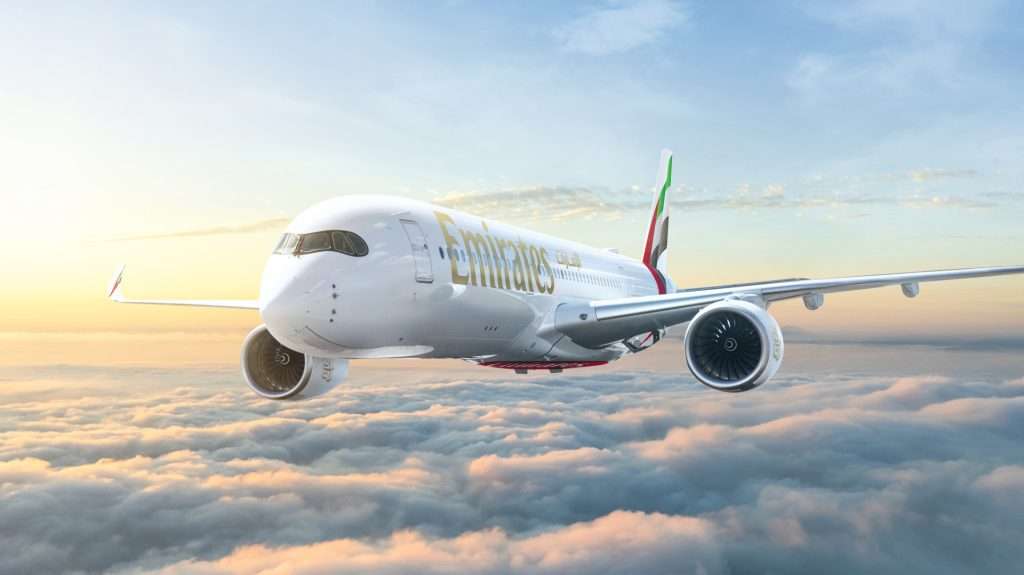
Some point to the A350-1000, and that’s valid. However, in the case of Emirates, they view the A350-900, one of which they’ve ordered, as a different beast, focusing on markets they haven’t been able to reach because of aircraft limitations and to ease pressure on existing and future planes.
What About Frustrations?
While public frustrations are present on the part of Emirates, the airline still has a long-standing relationship with Boeing.
Regarding the top-up order, Emirates may have leveraged its frustrations to create a better deal with greater terms.
Ultimately, it becomes a no-brainer for the airline to commit to the next-gen widebody slated to be certified next year. Airlines such as Emirates hope the jet will be ready to enter service in 2026.

ABOUT THE AUTHOR
Daniel Fowkes is a Melbourne-based aviation analyst and journalist with over a decade of industry experience. As founder of Dj’s Aviation, he delivers trusted analysis on aircraft, airline strategy and global aviation trends for djsaviation.net
Leave a Reply
Related Articles




Stay Informed
Get the latest aviation news, analysis and route updates delivered to your inbox.
We respect your privacy. Unsubscribe at any time.
Enjoyed this story?
Make us your go-to for aviation news
Add us as a preferred source on Google and see our latest stories first in Top Stories.
Add Us On Your News Feed
Thank you