

Numerous calls have been made for a new Boeing 767. However, despite those calls, Boeing hasn’t moved forward with a new version.
Why would Boeing not consider developing a new model to build on the success enjoyed with the 767, and has this been the right decision?
A Complicated Market
The current aviation market features several next-generation aircraft types. However, it can be considered saturated as most avenues are covered regarding the need for aircraft.
The Airbus A330neo and Boeing 787 have effectively replaced the 767 in many fleets. The A330neo offers modern technology, better fuel efficiency, and lower operating costs.
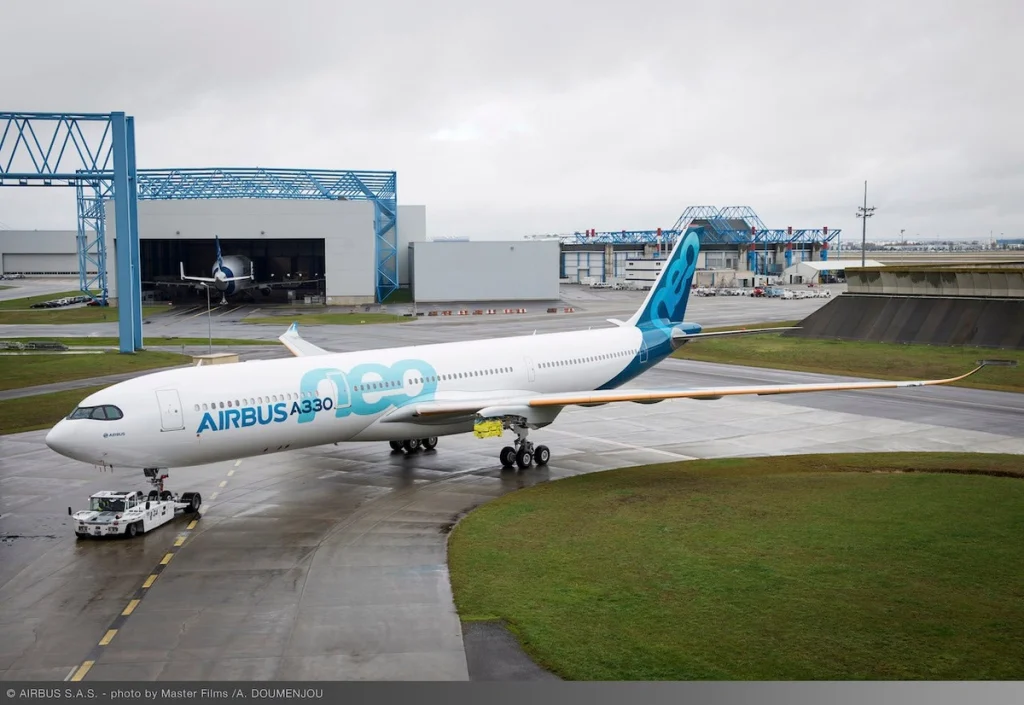
Meanwhile, the 787 Dreamliner has become a true leader in the widebody space, with several variants providing fantastic versatility for operators across their networks.
The 787’s versatility has allowed some airlines to rely solely on it as their widebody aircraft. This versatility and efficiency is the new standard, and even if Boeing revamped the 767, where would it sit in the market?
Ultimately, you’re looking at a reintroduction that doesn’t see as much demand as when the 767 first appeared. Furthermore, when the 767 debuted, the industry and regulations were very different, and the aircraft pioneered twin-engine travel over oceans.
If a new 767 were released, it would ultimately put other existing aircraft offered by Boeing at risk of becoming obsolete, which isn’t ideal considering their young age.
Ultimately, most analysts argue that if a new aircraft is needed between the 737 MAX and 787, it should be a middle-of-the-market airline based on the success enjoyed with the 757. However, Boeing chose not to move forward with this.
A New 767 Is Costly
The related costs would be astronomical for Boeing to move ahead with a new version of the 767. Generally, these costs are seen as not worthwhile.
The original 767 is decades old, and bringing it up to modern standards would require extensive redesigns, including incorporating advanced avionics, new materials, and state-of-the-art engines to meet current efficiency and emissions standards.
Frankly, therefore, bringing the 767 up to the standards that airlines require is no easy endeavour and would not only cost a lot but also take up substantial resources.
Boeing would be forced to decimate teams to build and, before that, study the new 767. Then, there would be considerations such as where the aircraft would be produced, among other concerns.
This retooling process would also divert attention away from other projects at Boeing. Additionally, existing aircraft types that have come under fire would likely see their focus dwindle, which would further hurt Boeing. Boeing has enough on its plate, and a new 767 would be a distraction.
Boeing’s Many Ongoing Struggles
Ultimately, Boeing’s current state of affairs further complicates the feasibility of a new 767 project. Boeing has faced financial challenges in recent years, including the costs related to the 737 MAX crisis and the impacts of the COVID-19 pandemic.
Now, in 2024, Boeing is facing its next crisis, the fallout of a door blowout incident. This incident went on to highlight far more deep-rooted issues at the manufacturer.
These issues have lowered production rates and caused delivery delays. Boeing needs to ensure its next new aircraft is perfect. Given the competitive landscape and the company’s recent issues, there is immense pressure to deliver a flawless product.
While some argue it is impossible to create the perfect aircraft, Boeing must give it the best shot possible. Therefore, analysts argue a new perspective 767 would be considered a step back in the planemaker rather than a step forward, and there are likely better alternatives for a new aircraft.
A Focus On Efficiency
The fall of the 767 was necessary; however, unlike many other aircraft, the 767 has enjoyed a longer stay thanks to its adoption as a freighter aircraft, among other purposes.
At its peak, the twin-engine plane redefined what it meant to have two engines and travel the world, especially with flight over oceans. However, with time, due to efficiency concerns and the continued emergence of better alternatives paired with an ageing global fleet, more airlines were moving away from this aircraft type.
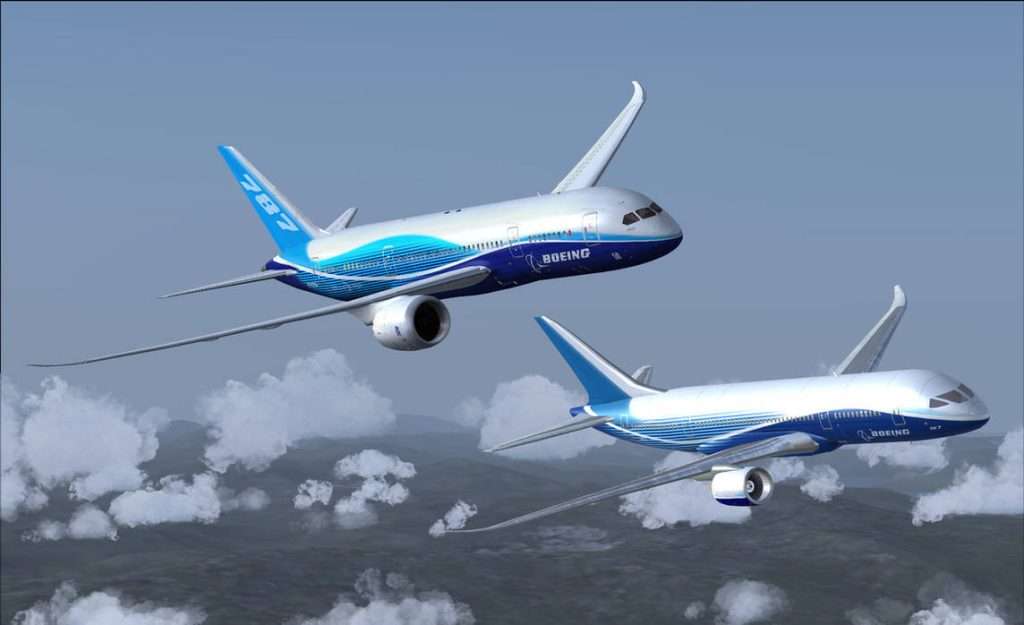
The 7E7, later known as the 787, promised greater efficiency and a new era for companies. When this plane entered the market, from the 787-8 to the 787-10, its performance jump was considerable. Ultimately, because of this jump, it became a worthwhile investment for airlines.
A Focus On Certification & Regulators
Moving ahead with a new 767 means there are also considerations, such as regulatory hurdles and timelines for release. The hurdles around these have gotten more complicated following the MAX crisis at Boeing in the latter stages of the 2010s.
Delays in first delivery aren’t abnormal for launching programs. However, the entry into the market of the 777X and other MAX jets has been prolonged to the point where airlines have begun to vent their frustrations publicly.
Furthermore, if Boeing cannot get these planes in the air, consider the timelines for a new 767. It’s safe to assume they missed the boat on such an aircraft. A launch would’ve needed to take place far earlier, and this would likely have affected the development of planes such as the 787.
Considering everything required to build a new 767, a release after 2030 would be likely. By then, Boeing would probably want to be nearing the release of its next new aircraft, which would be a true game changer and likely garner far more interest than revisiting an existing aircraft type.
Not Worth The Risk For Boeing
Boeing studies the risks and rewards associated with every prospective endeavour. In the case of the 767, the risks would far outweigh the rewards, and with the risk being so high, it’s not a worthwhile move.
Boeing must prioritise many other existing and upcoming projects across the next decade as it looks to stabilise its operation.

ABOUT THE AUTHOR
Daniel Fowkes is a Melbourne-based aviation analyst and journalist with over a decade of industry experience. As founder of Dj’s Aviation, he delivers trusted analysis on aircraft, airline strategy and global aviation trends for djsaviation.net
Related Articles

Stay Informed
Get the latest aviation news, analysis and route updates delivered to your inbox.
We respect your privacy. Unsubscribe at any time.
Enjoyed this story?
Make us your go-to for aviation news
Add us as a preferred source on Google and see our latest stories first in Top Stories.
Add Us On Your News Feed