

United Airlines is continuing with its fleet renewal processes by confirming that more aircraft will be retired earlier than expected.
The renewal, however, has a greater significance as the major U.S. carrier seeks ways to adapt to evolving markets and navigate a significant amount of uncertainty.
So, why is an airline so desperate to grow its market share by removing planes sooner than expected instead of exercising the maximum amount of life possible of these workhorses?
The United Airlines Plan
United Airlines has already confirmed the retirement of 21 aircraft earlier than previously planned, as reported in its recent quarterly update.
The decision to retire aircraft earlier than expected can be described as a tough one, but it is considered a last resort to manage several operational challenges.
United Airlines has confirmed in the last month that its fleet reduction tactics will save USD 100 million this year alone. The measures initiated mean that engine overhauls are no longer required for these outgoing planes.
United Airlines had previously suggested that some jets would be sent into early retirement; however, it had yet to confirm this formally until a week ago.
Away from the confirmed early retirement of these planes, United Airlines is also going one step further with suggestions indicating older 767 and 777 jets could be axed as part of continued fleet optimisation efforts.
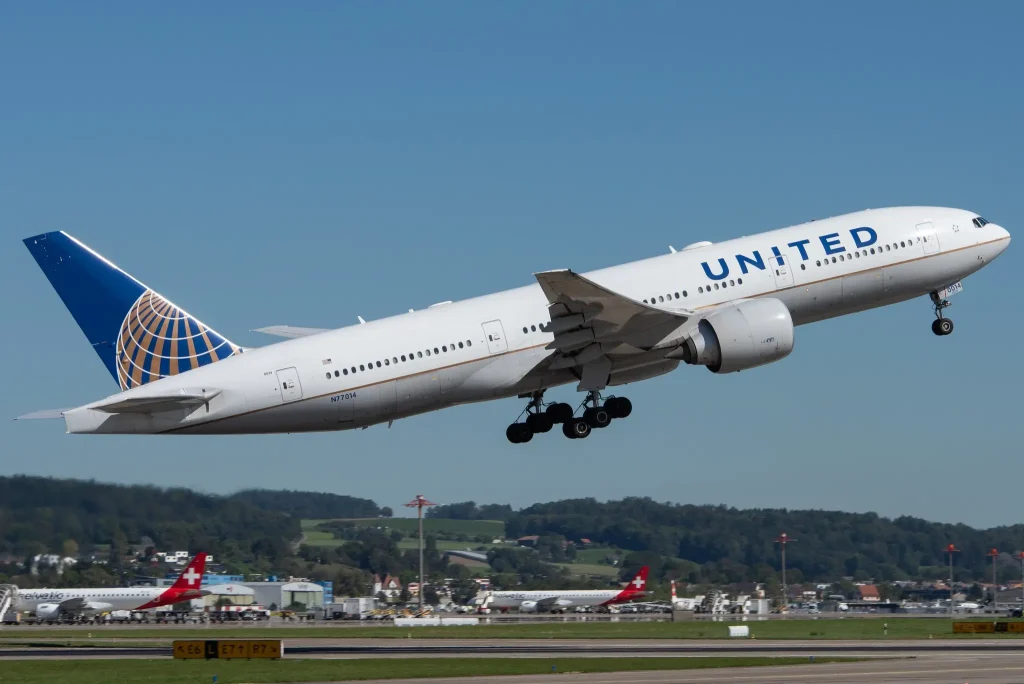
Comments confirmed by Andrew Nocella, the Executive Vice President and CCO, were in response to the cautionary forecasting of international flying and high-capacity domestic flying, which has been affected by forward bookings.
United says it has at the very least been able to develop an order book that’ll support growth confidently and renewal; however, it’s more than aware of the many operational challenges it faces as the 2020s continue.
As a result, planes such as the 767 and 777, especially those on the older end, are viewed as aircraft that could be removed from the fleet if challenges continue to occur that force change.
Focusing On A New Era
For United Airlines, the primary reason for transitioning to newer aircraft is the emphasis that has long been placed on moving towards a new era.
When the global pandemic emerged, many airlines, especially those in the United States, began to realise they had too many aircraft types in their fleets.
Amidst an era where focus was on fleet simplification to lower operational requirements and crew costs, U.S. carriers such as United often found themselves in a position where they had too many products available and no continuity.

At the time, the airline was building an order book for the future, which involved acquiring more aircraft to fuel growth plans. However, a strong focus was also placed on reducing the number of aircraft types present, instead relying on a strict fleet size.
United believed that reducing the number of aircraft types would make it more efficient and align with the industry’s direction. But, this doesn’t mean United hasn’t encountered challenges.
Ultimately, numerous roadblocks have arisen in the airline’s attempts to renew its fleet, primarily due to global supply chain issues that have prevented planemakers such as Airbus and Boeing from delivering planes on time. Additionally, Boeing has faced further problems.
Tensions Rise In The USA
Furthermore, United Airlines has also stated that the retirement of aircraft comes due to political unrest following the change of administration in the United States that occurred at the beginning of 2025.
Following the changeover, tariffs have dominated headlines and prompted many members of the public in other countries, outside the U.S., to reassess their travel options.

Additionally, with such uncertainty, United has stated that its forward bookings appear to be dropping across its domestic network as well. A four percentage point capacity cut is set to take effect over the coming months to address the issue.
The capacity cuts will allow for the retirement of some older jets. Meanwhile, as they implement these cuts, they are still awaiting the delivery of many next-generation jets from Airbus and Boeing that have been delayed.
United has also warned that if unrest were to continue, it wouldn’t hesitate to make further changes to its network, with analysts expecting this to occur as the months roll on.
Similar to different points in history, such as during the pandemic and the global financial crisis, customer confidence in booking travel varies. While not as significant as the pandemic, it’s enough for airlines to reassess their day-to-day operations.
To Conclude
Ultimately, there are several key considerations for United Airlines to address moving forward, including how to manage fleet retirement and renewal efforts effectively.

United has long been focused on renewing its fleet; however, over the past several years, obstacles have prevented a smooth process from unfolding.

ABOUT THE AUTHOR
Daniel Fowkes is a Melbourne-based aviation analyst and journalist with over a decade of industry experience. As founder of Dj’s Aviation, he delivers trusted analysis on aircraft, airline strategy and global aviation trends for djsaviation.net
Related Articles




Stay Informed
Get the latest aviation news, analysis and route updates delivered to your inbox.
We respect your privacy. Unsubscribe at any time.
Enjoyed this story?
Make us your go-to for aviation news
Add us as a preferred source on Google and see our latest stories first in Top Stories.
Add Us On Your News Feed