

The 757-300 was an extension of the highly successful existing 757 and aimed to boost capacity and elevate the program for more customers. However, the aircraft would go on to ammas only a handful of orders and struggle commercially. Why?
Introduced in the early 1980s, the Boeing 757 is today described as a pocket rocket and a versatile workhorse that changed the industry for the better.
When production for the aircraft ceased, it left a gap in our market but rounded off a fantastic multi-decade production period for a type that took the industry by storm.
However, this story took a different turn just before production ended with the introduction of the 757-300. The -300 was a variant that contributed to the end of the 757 program.
But what were some of the contributing factors? Was it always written on the wall, and what was next for the program after this variant?
Evolution Of The Boeing 757
The Boeing 757 series was launched in response to the aviation industry’s demand for a more efficient, higher-capacity narrow-body aircraft. The 757-200 gained popularity for its flexibility, among other favourable areas, making it a popular choice.
Production for the 757 peaked in the 1990s when the planemaker shipped off around 100 aircraft annually. As with any program, these numbers began to decrease, and the manufacturer started exploring ways to keep interest in the program high.
Studies began involving a stretched variant with a higher capacity that would, therefore, meet those customers’ needs that required these capabilities. The solution was deemed the 757-300, one of the more uncommon 757 variants, thanks to its poor commercial performance.
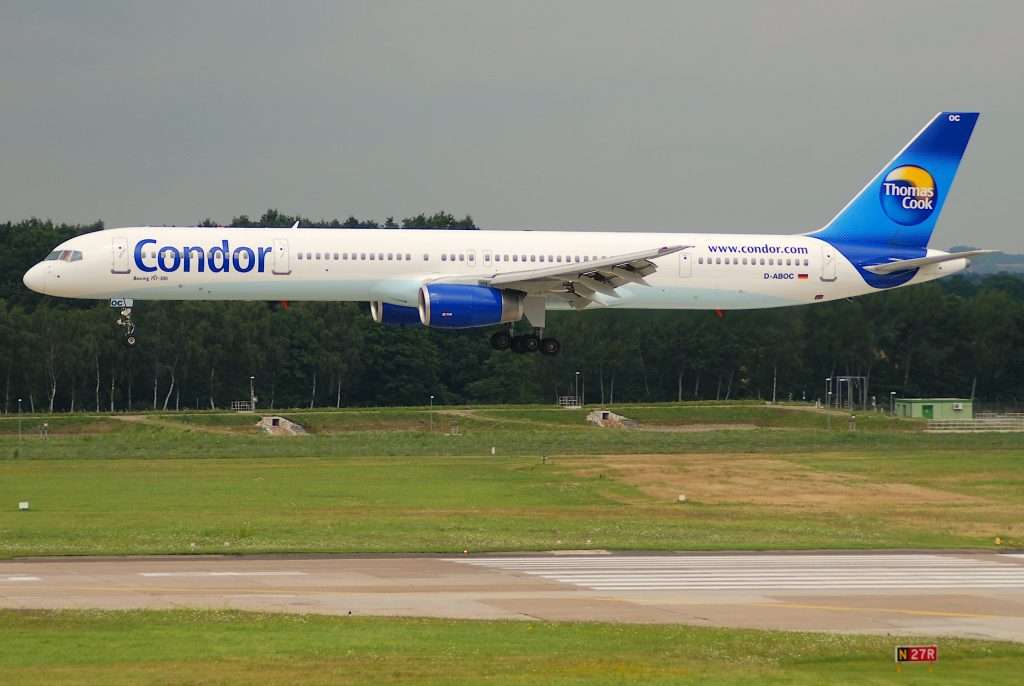
Despite several sales pushes for the 757-300, Boeing could not once more garner interest. In the end, Boeing gave it up. Unfortunately, several factors contributed to the 757-300’s commercial failure.
Wrong Timing For The 757-300
One significant challenge was the timing of the 757-300’s introduction. By the time Boeing offered the extended version of the 757, industry trends were shifting. Airlines preferred smaller, more fuel-efficient aircraft or larger, wide-body jets capable of longer-range flights.
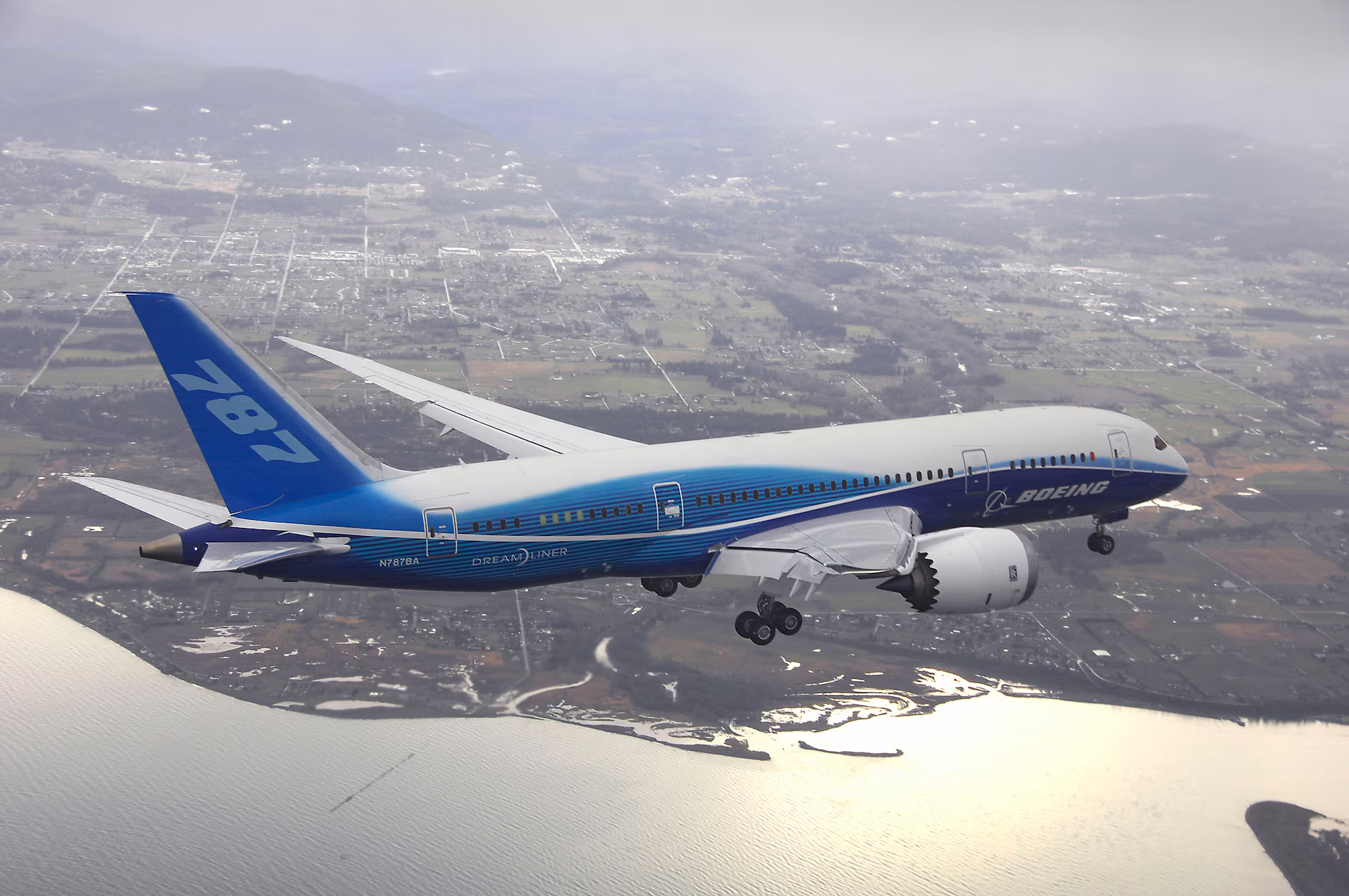
These preferences translated into the 737 program or the A320 series. However, they were even seen upwards to larger emerging aircraft such as the A330, 777, or, in the future, the 787.
The demand for a higher-capacity narrow body was less intense than it had been when the original 757 series was introduced. Therefore, when the 757-300s was introduced towards the 2000s, its presence wasn’t required to meet the capacity Boeing may have imagined.
No Need For More 757s
Moreover, many existing 757 customers had already committed to the 757-200 and were not inclined to order more 757s. They were firm believers that they had already exhausted the series.
Not all customers shared this feeling, but the vast majority believed their need for more 757s had expired. This is more than evident when comparing the total deliveries of -200 and -300. 1,049 deliveries of the 757 program took place. Of these, 913 came from the 757-200, but only 55 from the 757-300.
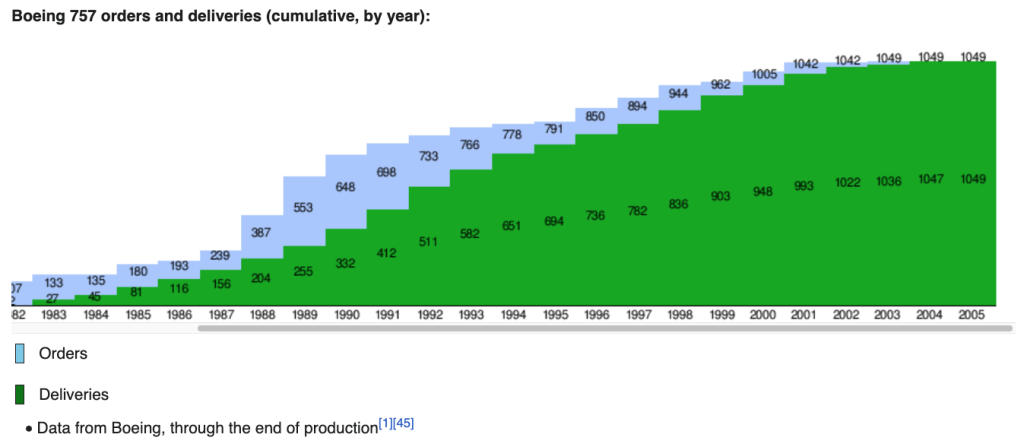
Timing plays a crucial role in the commercial viability of aircraft types both now and in the past. Had the 757-300 been introduced earlier, when the demand for such planes was more present, its fate might have been different.
Unfortunately, the delay in its release resulted in a mismatch between the capabilities and the airline industry’s evolving needs. It didn’t add up, and that was more than evident in the aircraft’s eventual performance in the market.
However, the 757-300s overarching performance had larger repercussions on the 757 program than just the one variant.
The End Of The 757
The lack of sufficient orders and commitments for the 757-300 ultimately led Boeing to close the 757 program. This only came after several last-ditch sales attempts were pushed to no avail.
With the market signalling a shift away from the 757’s niche, or at least moving towards more of the next-generation types being offered, Boeing’s focus moved away from the highly successful 757 line to new things.
Today, the Boeing 757 holds a unique place in aviation history as a workhorse. From transcontinental flights to charter services to being a freight solution, albeit in limited capacity, the series has had its fair share of ups and downs.
However, despite a production closure towards the early 2000s, the aircraft is still pivotal to several airlines’ day-to-day operations. As a result, in some cases, these very customers who rely on it daily also need help finding an adequate replacement.
According to several analysts, Boeing has never released the perfect 757 replacement; for several carriers, especially within the United States, that statement couldn’t be more accurate.

ABOUT THE AUTHOR
Daniel Fowkes is a Melbourne-based aviation analyst and journalist with over a decade of industry experience. As founder of Dj’s Aviation, he delivers trusted analysis on aircraft, airline strategy and global aviation trends for djsaviation.net
Related Articles




Stay Informed
Get the latest aviation news, analysis and route updates delivered to your inbox.
We respect your privacy. Unsubscribe at any time.
Enjoyed this story?
Make us your go-to for aviation news
Add us as a preferred source on Google and see our latest stories first in Top Stories.
Add Us On Your News Feed