

The COVID-19 pandemic seriously damaged several airlines’ operations and caused significant adjustments in fleets.
Singapore Airlines used the pandemic as an opportunity to cut aircraft, a necessary decision to prioritise the business for the expected turbulent years ahead.
While not removing all its Airbus A380s, the Changi-based carrier did axe several units from its fleet. Why was this?
Singapore Airlines & The Airbus A380
The Airbus A380 remains the world’s largest passenger plane, and often its most significant impact is seen through Emirates’ strong commitment to the type.
However, other operators also committed in numbers to the aircraft, including Changi-based Singapore Airlines.
The carrier played an integral role in the early building blocks of the A380s hopeful long-term success. At the same time, this didn’t pan out as Airbus intended; commitments from Singapore Airlines were important.
The plane represented an essential piece in the ever complex jigsaw of this carrier’s operations, with the traditional hub and spoke model continuing to reign true.
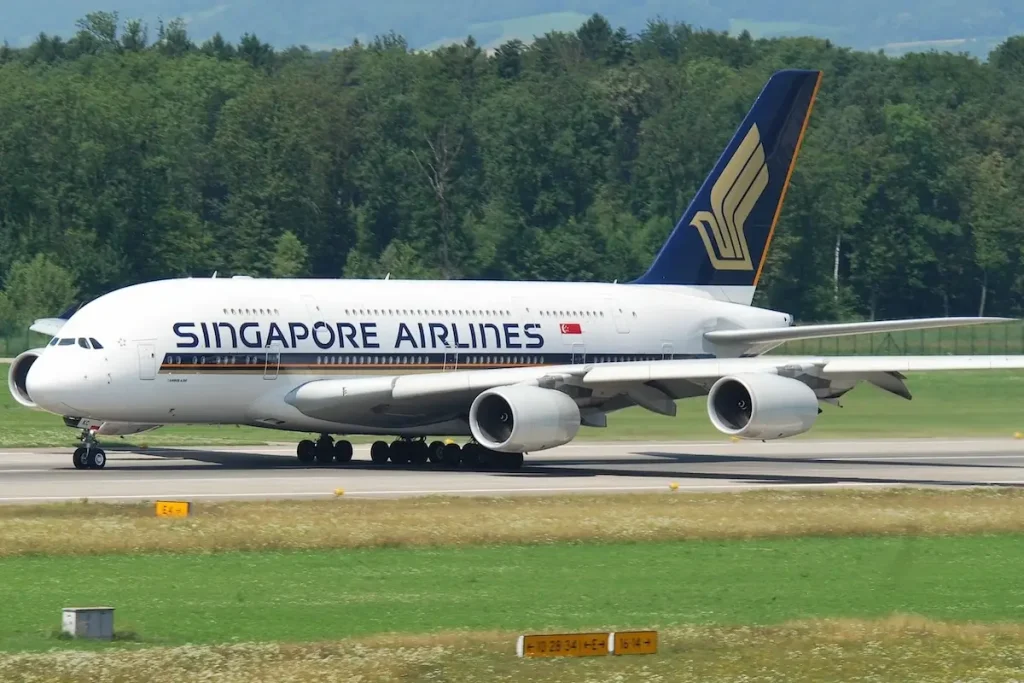
As a result, Singapore Airlines was the first operator to introduce the jet in 2007. The A380 was crucial in enabling high-capacity travel between some of the world’s most established cities.
Following the first delivery, Singapore Airlines increased its reliance on the A380, becoming the second-largest operator of the jet. The plane’s presence across global hubs also began to rise.
The COVID-19 Pandemic Arrives
However, during the first quarter of 2020, the threat of lockdowns and the emergence of the COVID-19 pandemic shifted the aviation industry into a position it had not seen.
Instead of airlines looking to grow their business, there was enhanced focus on coping with the newfound lack of demand, and major decisions had to be made.

Some analysts did not predict demand to return for at least four to five years, so airlines such as Singapore Airlines were axing flights, cutting employees, and equally focusing on the removal of aircraft.
Demand would return quicker than expected, and many airlines are still playing catch-up. However, hindsight remains a wonderful thing, and in the heat of the moment, these were the necessary decisions for an incredible situation unfolding that none had forecast.
The Airbus A380 Axing
Singapore Airlines confirmed in November 2020 that it would retire 26 planes. The confirmation came during its financial results for the first half of that fiscal year.
The retirement included Airbus A319s, Airbus A320s, Boeing 777-300s and Boeing 777-200s. However, the last aircraft included and arguably the biggest talking point was the axing of seven Airbus A380s.
While this didn’t represent the whole A380 fleet, it was still a mammoth decision by Singapore Airlines.
This decision was reached after a thorough business review that aimed to remove aircraft deemed surplus to requirements, and the seven A380s were included in this.
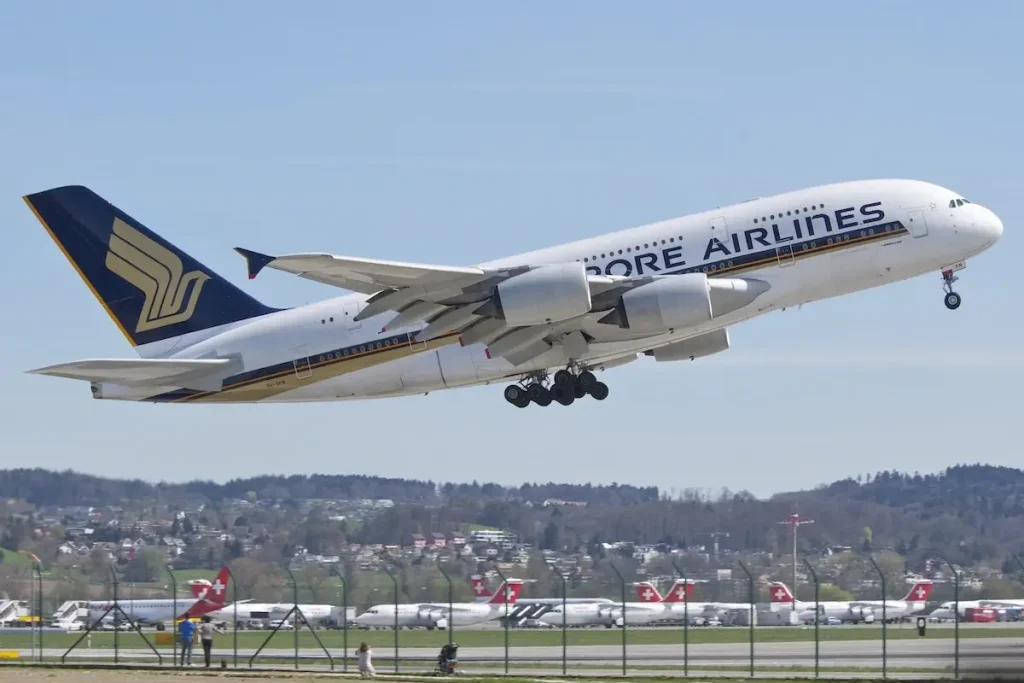
2020 was a difficult year for the A380. Singapore Airlines was just one of the many international airlines that decided to either permanently axe the type, retire some units, or park its whole fleet.
These decisions weren’t a shock, but they didn’t make those who enjoyed the program feel any better about the prospects of its return, as the industry continued to worsen for many airlines. Decisions were made to utilise the pandemic as an opportunity to renew fleets.
Why Singapore Airlines Decided This
Singapore Airlines axed some of its Airbus A380s for several reasons; however, the decision was mostly based on a thorough business review.
Many airlines used the pandemic as an opportunity to renew their fleet, with a greater focus on relying on next-generation widebodies for the future. In hindsight, this would have been the right approach; however, the execution would not have occurred as intended.
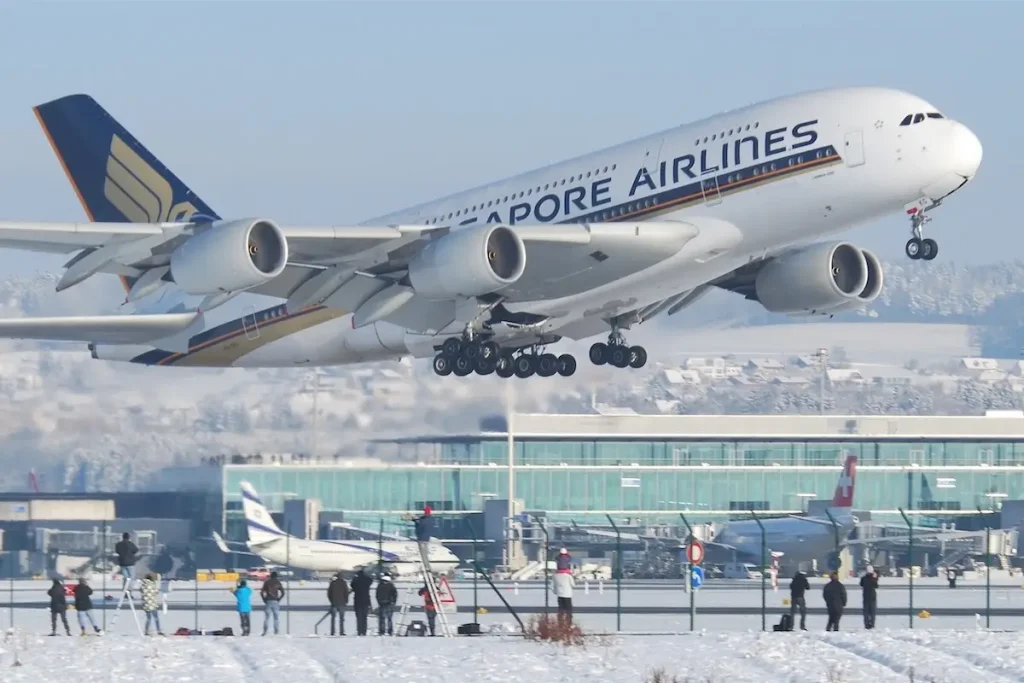
As a result, internal reviews determined that Singapore Airlines must begin moving towards newer planes. The airline didn’t, however, believe there wasn’t a need for the A380, but maybe with fewer active jets moving forward.
Demand would always return at some point. Singapore Airlines believed it would be better positioned to operate with fewer units, focusing on core markets such as London, Sydney, and beyond.
The Airbus A380 In 2025
Singapore Airlines still flies the Airbus A380, but there is a more modest total of these types active. In response to several units’ axing, they serve routes worldwide.
Many airlines have chosen to reduce their commitment to the jet but retain it to serve high-capacity markets.

However, for others, the plane is seen as a means to combat the capacity loss that would have occurred without it, due to next-generation delivery delays.
Regardless of Singapore Airlines’ future direction, it will continue to utilise a hub-and-spoke model around the world and require high-capacity jets, which will not be available through the A380 for much longer.

ABOUT THE AUTHOR
Daniel Fowkes is a Melbourne-based aviation analyst and journalist with over a decade of industry experience. As founder of Dj’s Aviation, he delivers trusted analysis on aircraft, airline strategy and global aviation trends for djsaviation.net
Related Articles




Stay Informed
Get the latest aviation news, analysis and route updates delivered to your inbox.
We respect your privacy. Unsubscribe at any time.
Enjoyed this story?
Make us your go-to for aviation news
Add us as a preferred source on Google and see our latest stories first in Top Stories.
Add Us On Your News Feed