
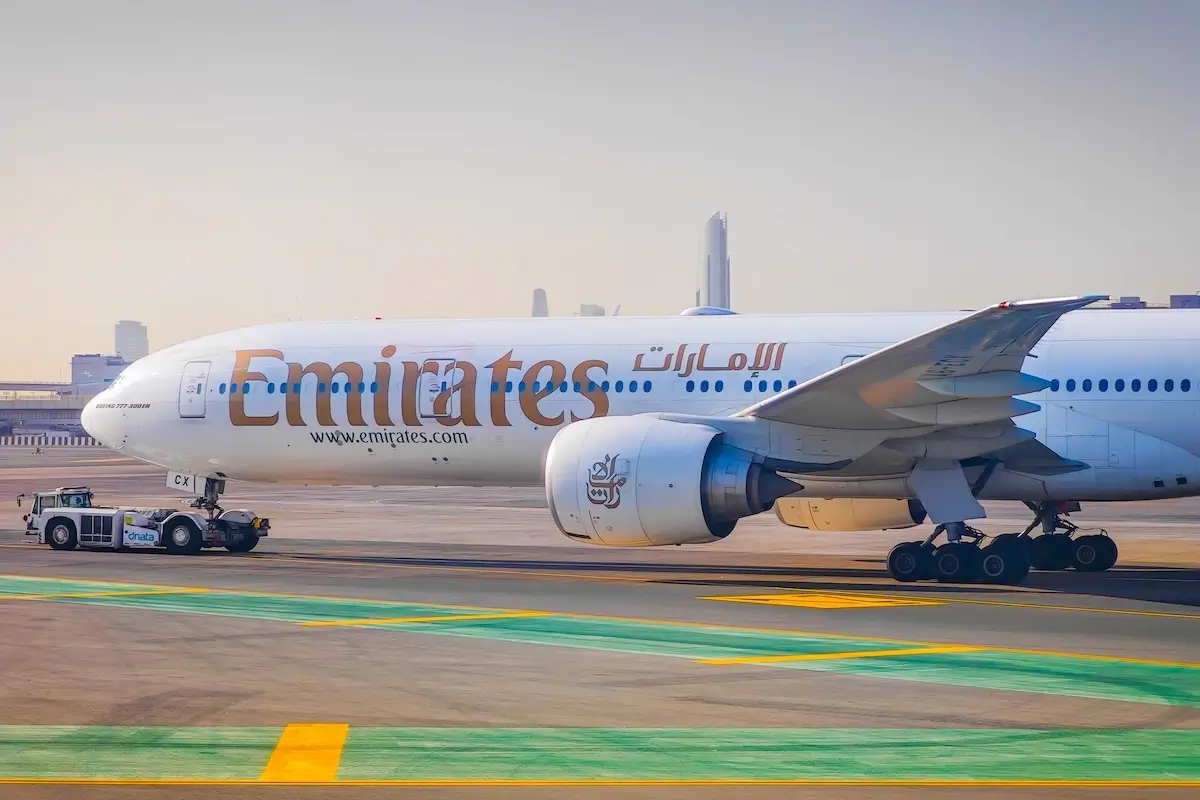
Emirates has become one of the largest airlines in the world and certainly one of the most recognised, a move that was no easy feat.
Over the years, the airline has expanded its fleet with a persistent appetite for new aircraft purchases from leading planemakers Airbus and Boeing.
While there have absolutely been frustrations for the airline during this period when dealing with these planemakers, the purchases have allowed it to develop to its liking.
So, with such a healthy backlog and recent orders for more widebodies, why does the planemaker have so many planes on order, and why does it keep going back for more?
Emirates’ Wide Array Of Needs
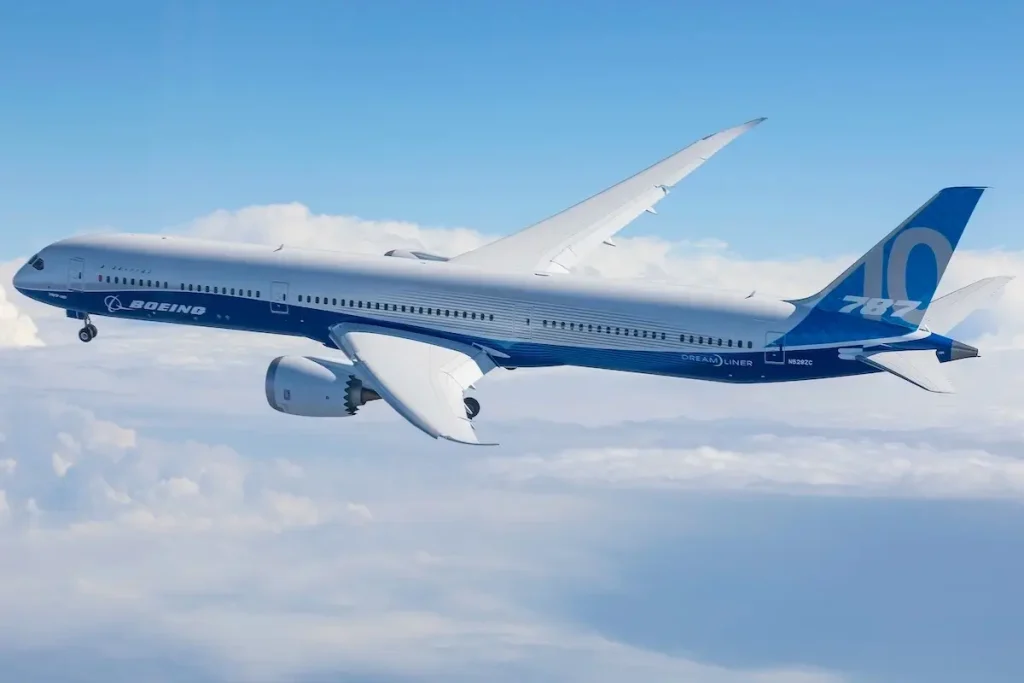
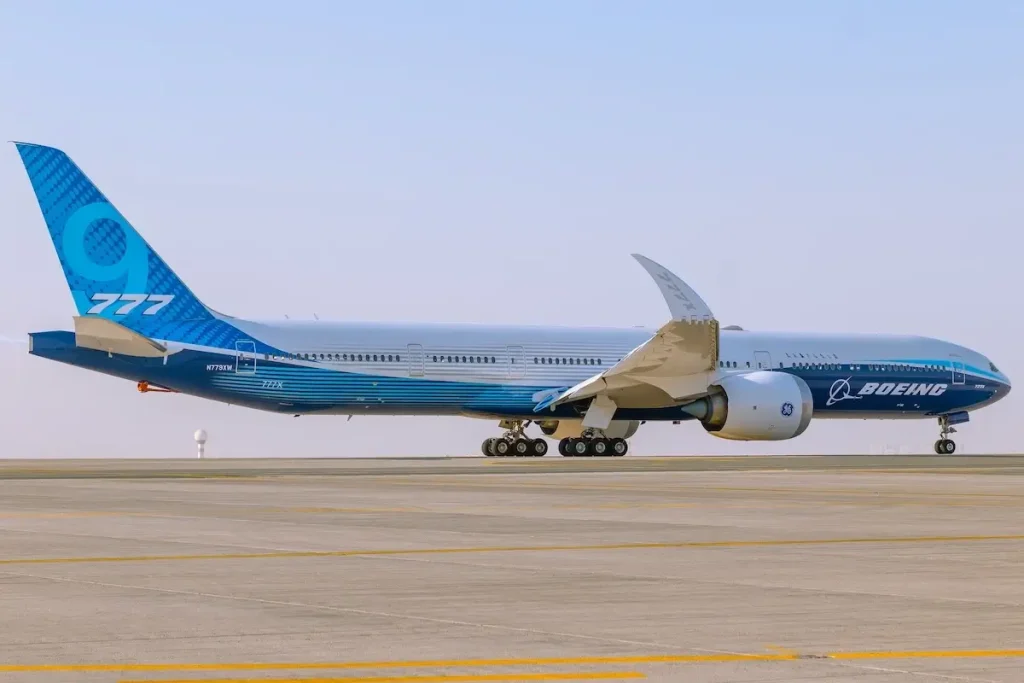
Emirates’ recent orders include the A350, the 787 Dreamliner, and its largest commitment: the upcoming long-haul 777X, a plane yet to be certified but pivotal.
These wide-body jets have been handpicked by the business to support the airline’s long-haul network and ambitious plans to connect Dubai to destinations around the world.

For some time, Emirates has relied almost exclusively on the Airbus A380 and Boeing 777 families, but it wasn’t always this way. Before a drive to simplify, the airline held many different aircraft types in its business, which gave it an advantage when serving specific markets, something it lost over recent years.
The A350-900 delivery marked the first new model the airline had taken delivery of in quite some time, and this plane will enable better access to medium- and long-haul routes, not just easing pressure on existing models but also opening up new opportunities that were previously unviable.
The Boeing 777X offers range and capacity, crucial for the hub-and-spoke part of the Emirates operation. The 787 is even optimal for thinner routes, but it still complements existing fleet types and focuses on efficiency.
A drive to order more planes comes with the airline’s desire to be flexible and able to cater to a wide array of markets; to achieve this, it needs a solid fleet composition.
The Dubai Economic Agenda D33
Looking ahead to the next decade as well, the need to purchase new planes is evident in the Dubai Economic Agenda D33, an initiative aimed at driving the economy in an upward trajectory.
With a focus on expanding global trade and bringing more people to Dubai, the biggest way this can happen is through investment in the aviation industry, and Emirates and flydubai will lead the way.
As a result, substantial investments have been made in purchasing new planes to not only renew existing fleets but also accelerate fleet development to meet demand.

Additionally, investments in infrastructure, such as the upcoming move to Dubai World Central, are all part of plans to expand Dubai’s reach even further, thanks to D33, a pretty ambitious undertaking.
The Drive To Keep A Youthful Fleet
For a considerable period, one of Emirates’ core strategies has been to maintain a youthful fleet wherever possible. It believes adopting this viewpoint has many benefits, but, as has been evident over the last half-decade, it also comes with its challenges.
Emirates’ current fleet comprises the Airbus A380, Boeing 777, and the recently joining Airbus A350, which began scheduled passenger services at the top of the year. This is a breath of fresh air and the actual first next-generation model to enter operations.
As older aircraft approach retirement age for most airlines, Emirates would’ve long since retired these models, instead opting for newer aircraft to ensure maximum efficiency; this has been a longstanding pillar of its day-to-day network.

Driven by this, the airlines’ backlog and the persistent need to order new planes have been critical to ensuring a healthy balance between older, more seasoned aircraft and newer models, but striking that balance has become more complex of late.
With supply chain challenges, keeping this youthful fleet has become more difficult, primarily because the plane maker has been unable to deliver planes on time to the Dubai-based carrier.
As a result, Emirates is forced to retain some of its existing fleet longer than initially planned, a decision that is frustrating and ultimately more costly, as older planes require more maintenance to maintain the highest standards.
Some Current Challenges In The Fleet
One of Emirates’ most pressing challenges is replacing its Airbus A380 fleet. While the airline has confirmed the plane will stick around at least until the early 2040s, it will eventually depart.

That challenge stems specifically from the lack of a dedicated replacement offered by any planemaker, as all manufacturers have sought to reduce their reliance on quad-engined planes in their production portfolios and instead rely strictly on twin-engine widebodies, which offer greater efficiency to customers and are increasingly appealing.
While the Boeing 777X offers a partial solution with its high capacity, it cannot replicate the A380’s unique two-deck configuration. After Airbus declined its calls to proceed with an A380neo, the carrier knew it would need to diversify its fleet, essentially being given no choice.
In the last month and at the Dubai Airshow, Emirates saw meaningful progress on its calls for larger aircraft, as both Airbus and Boeing confirmed their intent to move ahead with studies on larger planes.
In Boeing’s corner, it is the 777-10; for Airbus, it’s the A350 Stretch, both aiming to address airlines’ concerns about the capacity limitations of current aircraft types.

While neither of these models has been explicitly confirmed to move forward to the formal launch, they are both tracking in the right direction to eventually get off the ground, and that in itself is encouraging for Emirates.
Has It Been Easy For Emirates?
While Emirates’ extensive aircraft orders align with its longstanding business plan, to say it’s been easy on the business would be a lie; frustrations have reached a tipping point on more than one occasion, as widely documented.
The centre of the frustrations has been the delay in aircraft deliveries, the Boeing 777X at the heart of this, a plane that should’ve now been flying with passengers for five years.
However, as 2026 rapidly approaches, the model remains uncertified and is unlikely to enter scheduled passenger services until the back end of 2027, and possibly into 2028.
These delays cause quite the disruption and have wreaked havoc on the airline’s long-established goal of keeping its fleet youthful, requiring the neccesary investment in retrofitting its existing aircraft to keep them up to the standard of inbound planes, while also covering for the delayed widebodies.
The refurbishments, which are costing the airline billions, will take place over many years. Still, the rate and sheer scale of the aircraft involved far exceed initial expectations, driven by delays and the business’s need to increase scope.
Recapping The Emirates Order Book
Emirates’ order book as of the completion of the 2025 Dubai Airshow stands at 375 aircraft, up from a fleet of 269, all widebody aircraft.
In the airlines’ orderbook are 60 Airbus A350-900s; these are aircraft already in the company’s operations, but their presence is expected to grow further in due course.

Next, the carrier has 35 Boeing 787s on order; however, there remains great uncertainty about the future of this model in its fleet. Even years after purchase and many revisions, the finalisation of deliveries and the selected variants has yet to occur.
For the airline’s passenger operations, the biggest reliance sits on the 777-9, part of the 777X program. This model has 270 aircraft to be delivered and is part of a substantial order also confirmed at the Dubai Airshow.
With that in mind and such a healthy backlog, the airline is poised to grow over the coming decades, and given the airline’s history of repeated top-up orders, it certainly shouldn’t be ruled out that future aircraft orders will follow.
Emirates has quite a habit of popping back into programs it has already committed to for more aircraft as it sees demand increase, and considering what the airline believes the next few years will look like, this may very well take place, especially with the business finding itself in such a hotly contested part of the world for market share

ABOUT THE AUTHOR
Daniel Fowkes is a Melbourne-based aviation analyst and journalist with over a decade of industry experience. As founder of Dj’s Aviation, he delivers trusted analysis on aircraft, airline strategy and global aviation trends for djsaviation.net
Leave a Reply
Related Articles




Stay Informed
Get the latest aviation news, analysis and route updates delivered to your inbox.
We respect your privacy. Unsubscribe at any time.
Enjoyed this story?
Make us your go-to for aviation news
Add us as a preferred source on Google and see our latest stories first in Top Stories.
Add Us On Your News Feed
Thanks for your post on Emirates order for new modern aircrafts. The article correctly reflects on the need for upgrading the current fleet to achieve it’s goal as no. 1 airline in terms of brand loyalty, passenger comfort, time management, aircraft efficiency , environment compliance, high aviation standard, excellent pr, efficient supply chain management, healthy relationship between management and ground staff, cabin crew etc.