

Airbus is moving ahead with the launch of its next commercial aircraft and hopes to introduce it within the next five years.
But, with all aircraft programs enjoying significant success, why is the planemaker moving ahead with a new endeavour so soon?
An A320neo Replacement Is Coming
Talk of Airbus moving ahead with a new commercial airliner follows comments from Guillaume Faury, the Airbus CEO, who emphasised the importance of innovation and stated that a successor to the A320 family will be required.
The single-aisle market is fiercely competitive; however, the importance of developing a new iteration cannot be overstated.
Aviation Week led the reports, indicating that the planemaker was already moving ahead with a firm timeline for the eventual release of this latest iteration.
Current forecasts indicate that the selection of an engine is expected to occur in 2027. Following this, Airbus is expected to launch the program in 2030, marking the beginning of the new decade.
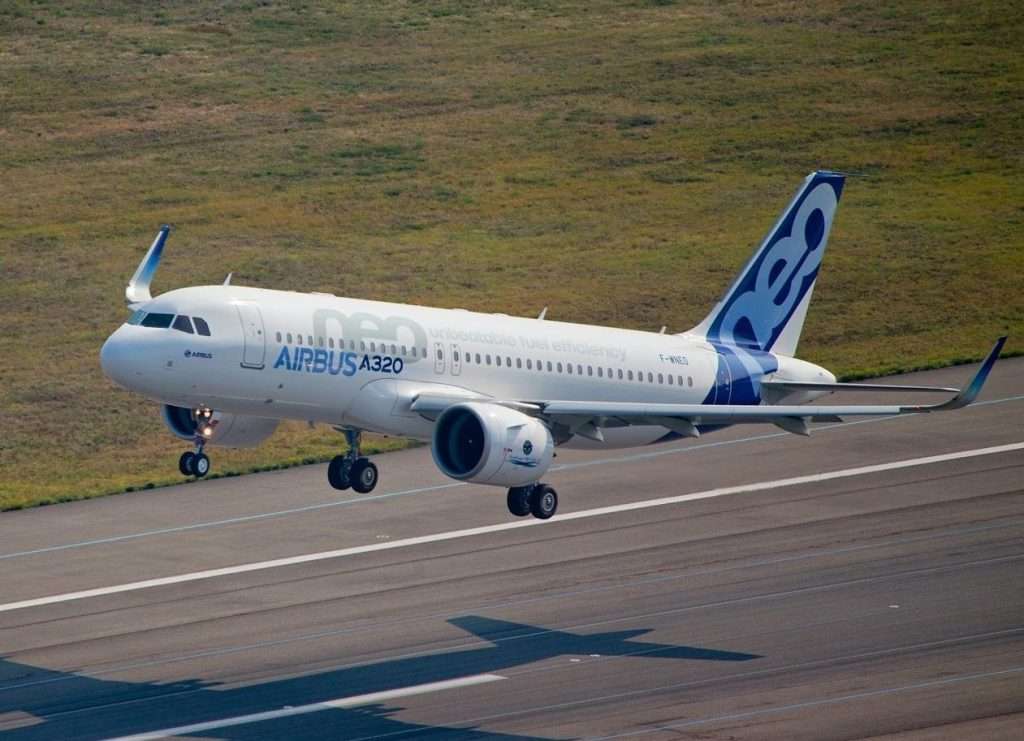
While a launch is a step in the right direction for the manufacturer, it does not mean it’s fully ready to begin deliveries. Airbus expects the new plane to enter service sometime in 2037 or 2038; therefore, it is still approximately 12 years away.
Airbus is already intently focused on innovation, attempting to understand through studies what the structure of the next commercial aeroplane will look like, let alone how it’ll be powered to maximise efficiency and align with government regulations for sustainable air travel.
The Desire For A Replacement
One of the primary reasons for Airbus’ launch of a new single-aisle aircraft program is the desire to replace its existing series of aircraft.
The A320neo was launched at the beginning of the 2010s, with its first flight occurring in 2014 and its first delivery in 2016. Therefore, in 2025, this program, now featuring new engines, still retains a youthful nature for most operators.
Additionally, the aircraft is in such high demand that its backlog is colossal, and many airlines have yet to receive their first plane or even have their entire order fulfilled.
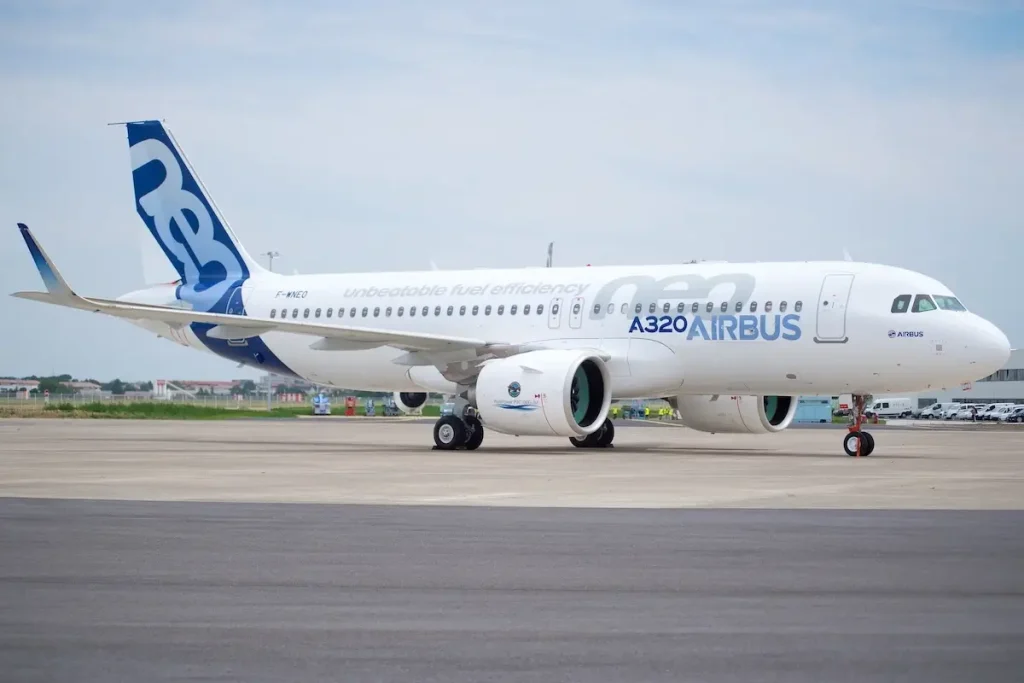
Therefore, the program will continue seeing deliveries well into the 2030s, but that doesn’t mean a replacement isn’t required. By the time 2037 comes around, the first A320neos delivered will be 21 years old.
While this assumes Airbus can stick to the outlined timeframe, which history has proven to be unlikely, it still means that airlines will begin seeking a replacement option, either to order or formally enter their operations.
Additionally, the single-aisle market is vital for many airlines, and if a new, innovative product comes along that fulfils the requirements of a carrier, they’ll have no hesitation in purchasing it.
Airbus’ Battle With Boeing
The single-aisle market is not only crucial for airlines, but also for the aircraft manufacturers who build the planes. Airbus competes with Boeing in this regard, with its A320 family challenging the 737 family.
For Boeing, the last half-decade has been a challenge unlike any other, and according to data, Airbus has outpaced its competitor in orders and deliveries.
While Boeing’s 737 MAX program experiences signs of improvement following years of turmoil, the A320neo family, despite a few hiccups along the way, has operated problem-free, and its production has remained steady.
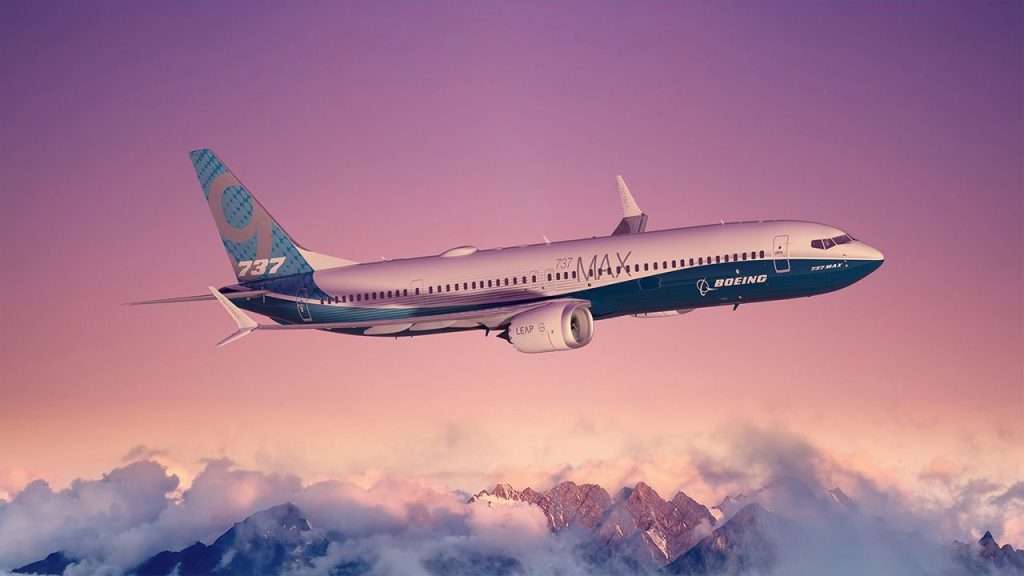
The 737 MAX’s problems were spurred on by Boeing’s eagerness to get its new-engine model to market, not solely to please customers, but also to counter the sales and success of the A320neo.
In that race, Boeing cut corners that are still hurting it to this day in the mid-2020s, with a cultural overall required and hundreds of millions invested into the establishment of quality control processes.
All those struggles alongside many other unnamed factors meant that Airbus has been, in recent years, able to claim its title as the largest manufacturer and most successful. Additionally, this has extended towards the development of other iniaitives.
While Boeing has struggled to certify remaining units in its 737 program, Airbus has launched its A321XLR and is progressing with the development of other endeavours in a bid to steal further market share from its competitor.
What’s Next For Airbus
All in all, the development of a new single-aisle plane to replace the A320neo, with a launch expected within the next five years, is part of Airbus’ latest phase of commercial flying.
Airbus cannot afford to take its foot off the gas, and the development of a new single-aisle aircraft will be key to ensuring long-term success, which will be evident as we move into the 2030s, 2040s, and 2050s.

A timeline outlined by Guillaume Faury is a positive step in the right direction towards innovation, but it doesn’t mean that these timelines are accurate.
More often than not, the launch of new programs encounters delays, whether it is due to the development stage or certification. However, Airbus has now publicly stated its intentions.
Now, all eyes will be on competitor Boeing, which still has half the variants in the 737 MAX series uncertified, and what their next move will be, albeit with their arms still tied.

ABOUT THE AUTHOR
Daniel Fowkes is a Melbourne-based aviation analyst and journalist with over a decade of industry experience. As founder of Dj’s Aviation, he delivers trusted analysis on aircraft, airline strategy and global aviation trends for djsaviation.net
Related Articles




Stay Informed
Get the latest aviation news, analysis and route updates delivered to your inbox.
We respect your privacy. Unsubscribe at any time.
Enjoyed this story?
Make us your go-to for aviation news
Add us as a preferred source on Google and see our latest stories first in Top Stories.
Add Us On Your News Feed