
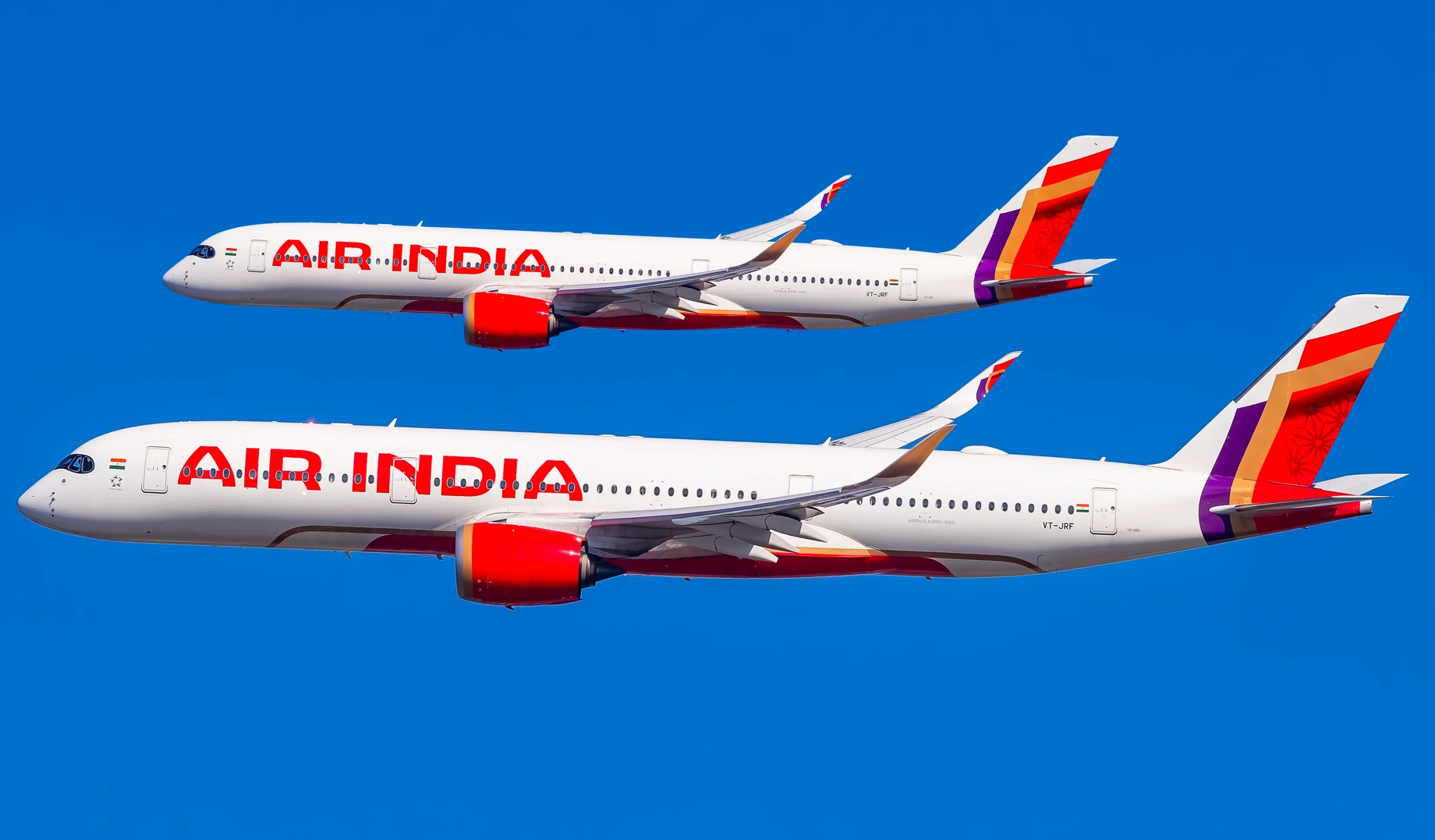
Air India’s recent aircraft orders are the centrepiece of what the new ownership of the Tata Group describes as a fundamentally new era.
Following years of financial struggles under government ownership, the airline’s acquisition by Tata in 2021 marked a new era. However, how effective that new era would be was still uncertain.
Since then, a strategic shift has allowed the carrier to operate without as many constraints and focus strictly on modernisation efforts.
A historic order of almost 500 planes in 2023, followed by an additional 100, highlights the airline’s ambitious plans to reclaim its position as a leading global airline.
But why has the airline been ordering so many aircraft?
Air India Focuses On The Future
The massive fleet expansion includes hundreds of Airbus aircraft, from the A350-900 and A350-1000 to the smaller A320neo family planes.
Meanwhile, hundreds of aircraft from the Boeing commercial airplane division will be featured, such as the 737 MAX, 787, and the upcoming long-haul jet, the 777X.
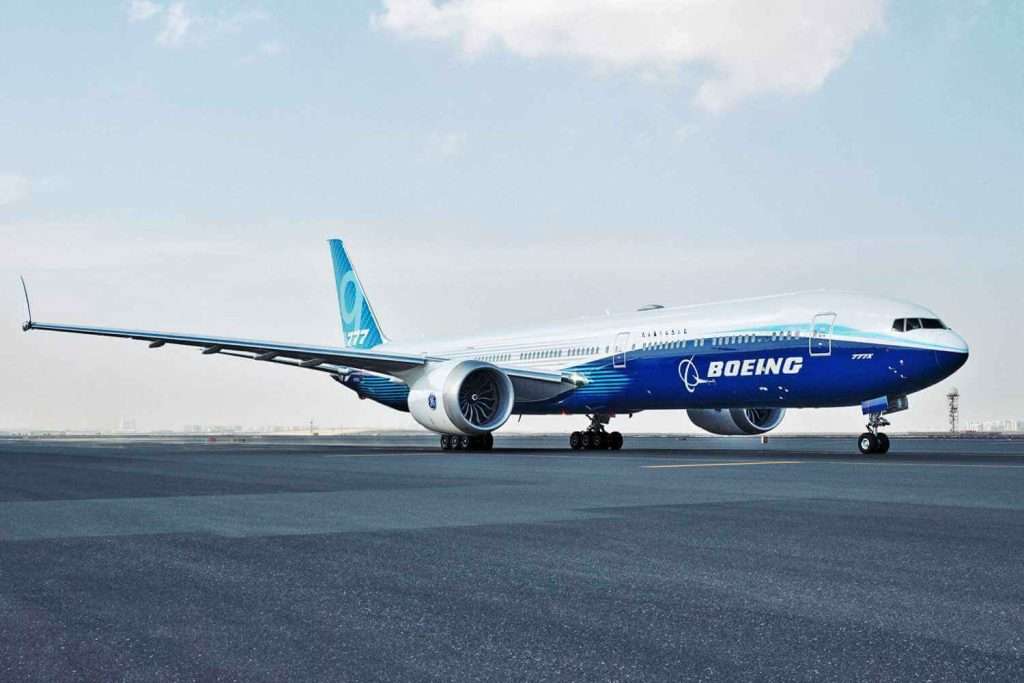
These planes are the blueprint for the new era at Air India. While there have been challenges in acquiring these planes spurred on by supply chain troubles and internal manufacturing complications, they present an exciting future.
Newly delivered aircraft such as the A350-900, aided by its long-range capabilities, enable next-generation flying with the new Air India on service to markets such as Europe and North America.
Flying towards these markets, among others, with the new product is essential for showcasing what the company will offer customers and highlighting the dominance it is attempting to achieve moving forward.
Air India Must Remain Competitive
A cornerstone of Tata Group’s vision for Air India is a younger, more efficient fleet. Modern aircraft offer significant advantages such as reduced consumption of fuel, lower maintenance costs, and enhanced reliability.
This shift, which Tata Group knows is taking shape, is essential for addressing Air India’s legacy issues, such as frequent delays and high operating costs, which have plagued it recently, and concerns about the onboard product.
A younger fleet also positions the airline to meet growing passenger expectations, which previous owners have poorly handled. Therefore, the new planes are the key to being competitive and flying India’s flag high in the future.
Cabin upgrades are another vital component of this transformation, especially given the emerging competition across key markets. More and more airlines are expanding and getting aircraft capable of allowing advancements into markets, putting Air India at risk.
Consequently, ensuring that the cabins are state-of-the-art and reflect passengers’ desires moving forward is vital. Air India must compete with other carriers in the country and even in markets such as the Middle East and Asia.
Aircraft Delivery Delays Hurt The Airline
Despite its ambitious plans, which could also be perceived as exciting, Air India faces challenges in acquiring aircraft on time due to global supply chain issues.
It’s a unique balance; Air India can only grow its fleet so quickly following the ability to obtain white-tail aircraft destined for airlines that couldn’t see the jets delivered them.

However, because of other challenges, Airbus and Boeing have struggled with production bottlenecks and, therefore, have been unable to deliver planes to customers such as Air India on time.
These challenges require the flag carrier to adapt its forecasting to focus on a long-term vision to cope. As a result, a great deal of planning is necessary to try and secure a stable future.
A Big Focus On National Pride
Another reason for the many aircraft orders is Tata Group’s commitment to rebuilding Air India as a flagship carrier. This includes a comprehensive rebranding effort with a refreshed logo, livery, and service.
Leadership under CEO Campbell Wilson has emphasised turnaround from day 1, attempting to align with standards featured by other major global carriers and what Air India is striving to become.
By investing in branding and the fleet’s modernisation through acquiring new planes, Air India hopes to regain loyalty and appreciation from its country.
However, by offering a truly competitive product, the company hopes to attract many travellers who may have previously frowned upon flying with it because of its complexities.
Old planes, while reliable, show their age at different times. Thanks to all the benefits of new planes such as the A350, further emphasis will be placed on restoring national pride.
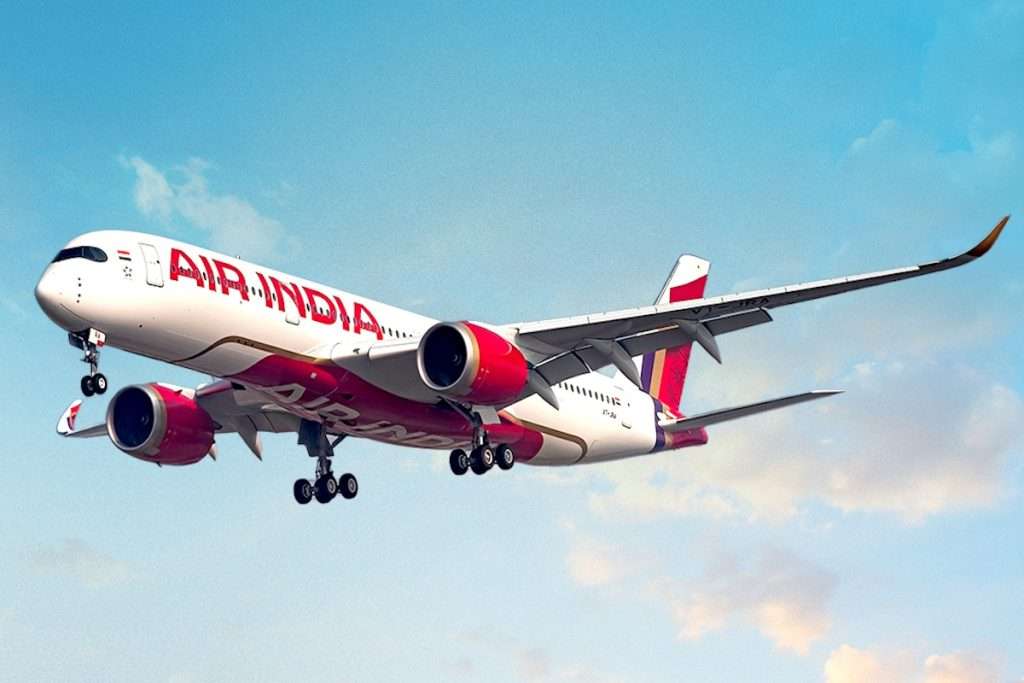
For example, next-gen planes can fly long-haul with quieter cabins for customers flying aboard. They also have filtration systems that help reduce jet lag and provide a smoother flying experience.
Moreover, Air India has invested heavily and appointed some of the best designers in the world to create a product that is genuinely worth flying. Thus far, they’ve been commended for this investment.
Why The Turnaround Matters
Air India’s massive aircraft orders and overhaul is more than just a simple decision, it’s for the airline a way of life as it attemps to recover from the many bruises accumulated across recent years.
The turnaround will not be simple and will not happen overnight; worse still, it will not be guaranteed. Much work must be done before Air India can formally say it has turned the corner.
However, implementing strategies and purchasing new planes is the first step of these efforts. The new planes, among other endeavours, allow the carrier to work towards something, see progress can be achieved, and pounce on all these investments.

ABOUT THE AUTHOR
Daniel Fowkes is a Melbourne-based aviation analyst and journalist with over a decade of industry experience. As founder of Dj’s Aviation, he delivers trusted analysis on aircraft, airline strategy and global aviation trends for djsaviation.net
Leave a Reply
Related Articles




Stay Informed
Get the latest aviation news, analysis and route updates delivered to your inbox.
We respect your privacy. Unsubscribe at any time.
Enjoyed this story?
Make us your go-to for aviation news
Add us as a preferred source on Google and see our latest stories first in Top Stories.
Add Us On Your News Feed
With service & cabin improvements, a good network, increased frequencies and competitive pricing in time Air India will be a force to be reckoned with. If they get this right, especially when it comes to pricing, they will in time see more people switching to Air India.