
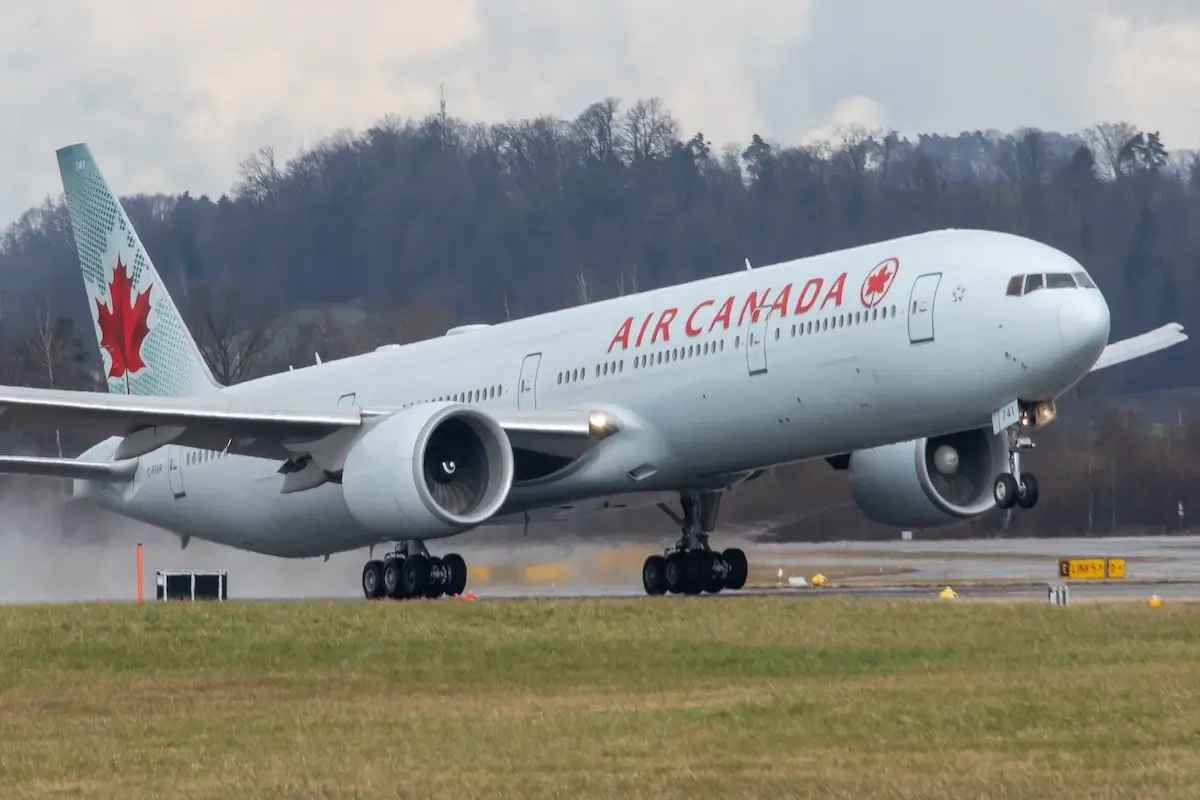
Air Canada is the flag-carrier of Canada, but the company faces problems across multiple fronts.
What is affecting the airline in 2025, from aircraft delivery delays to the perception of its customer base to demand drops, how does all this play a role in its problems?
Moreover, is there anything to look forward to? Ranging from future plans for the fleet to the extensive route network overhaul which is planned.
New Aircraft Delayed
One of Air Canada’s most significant struggles has been its ability to take on next-generation aircraft as intended.
During a fleet renewal process, timely delivery of new planes is crucial; if this cannot be achieved, there will be many negative ramifications.
Only in the last week did Air Canada become the latest airline to be forced to confirm delays in acquiring its next-generation aircraft.
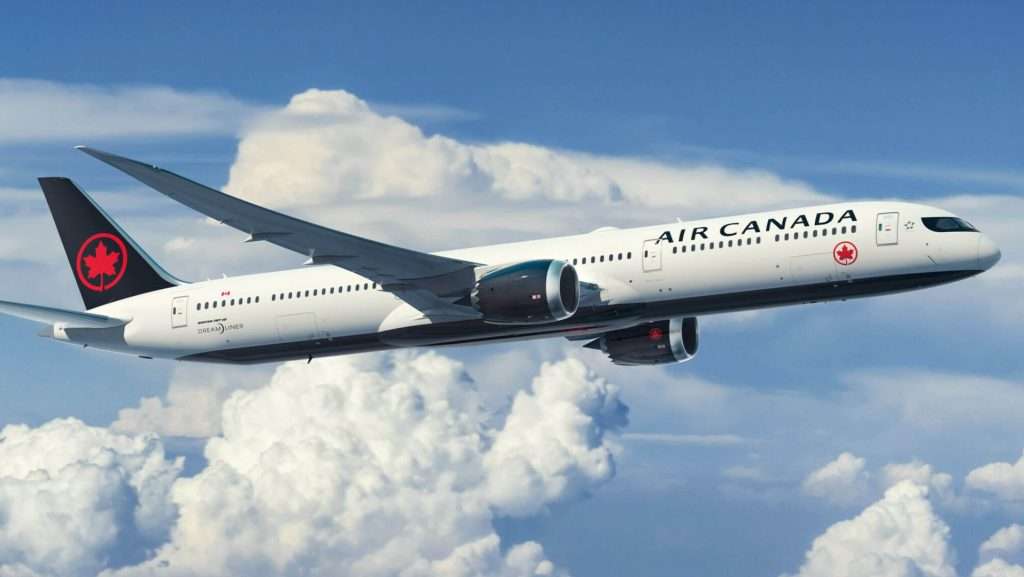
Air Canada is excited about taking on the Boeing 787-10 and the next-generation Airbus A321XLR. Each of these jets pushes the boundaries in its respective family.
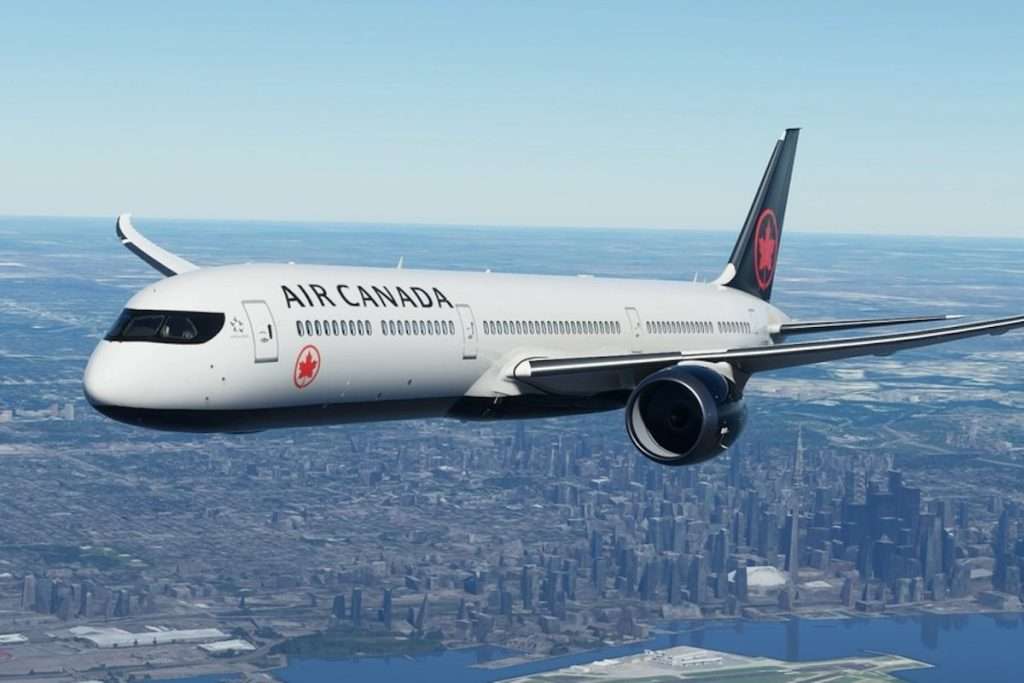
Unfortunately, upon publishing its first quarter results, the delayed entry into service of the aircraft was confirmed in a blow to the flag-carrier.
Under revised forecasting, the first delivery of the Airbus A321XLR will come months later than expected. It will now enter scheduled passenger operations in 2026 at the earliest.
Furthermore, the first delivery of the 787-10 will be delayed to 2026. The airline will work closely with Boeing to find ways to mitigate delays, as the manufacturer has its supply chain battles to overcome.
The A321XLR and 787-10 are integral to the airline’s future. Orders for 18 Dreamliners and 30 A321XLRs have been placed, with options for both should the company wish to activate them later.
As these planes continue to be delayed, there’s then evident struggles across the business, whether through growth or renewal efforts, and that trickles down to the route network, which relies on the delivery of new planes.
Demand Concerns To The USA
The recent first quarter earnings release and call signified that, away from the fleet, there were also other concerns, albeit potential short-term ones, surrounding demand drops.
The Canadian flag carrier says bookings towards the United States are declining, with drops of over 10% based on what was initially forecasted and achieved last year.
Air Canada’s drop in demand for the United States shouldn’t necessarily be a shock, as all these drops and tensions are driven by the political tensions that have arisen since the beginning of 2025.
Across the results, first-quarter revenue was lower, and the adjusted profit forecast was higher as the carrier battled drops in demand and shifted focus to its long-term approach.
While demand drops are present, one of the company’s bigger struggles centres around the uncertainty regarding when demand will return and how bookings will progress.
What Customers Think
As for customers, while Air Canada is still the leading choice for travel across the country, its perception from the public has dramatically changed.
For Air Canada, its customers feel that their trust has been broken in recent years, and inflated pricing and a lack of care have dropped its trust rating.
Driven by a monopoly in Canada, Air Canada controls the vast majority of the market. Despite competitors attempting to emerge or grow, the flag carrier remains at the heart of the country’s aviation sector.

Canadians, in particular, have continued publicly expressing dissatisfaction with the airline due to cancelled flights, a lack of compensation, rising airfares, and a substantial drop in customer service.
Therefore, when it was revealed that Air Canada was adding fees to its bookings and was ordered to pay for damages, it came at the worst possible time.
What’s Next For Air Canada
Despite the many problems, some short-term and others that will affect the carrier over a more prolonged period, there’s still a big future ahead.
Central to Air Canada’s growth strategy is introducing 67 next-generation aircraft by 2028, including Boeing 787-10s, Airbus A321XLRs, and Airbus A220s. However, this figure was published before the latest delivery delays were confirmed.
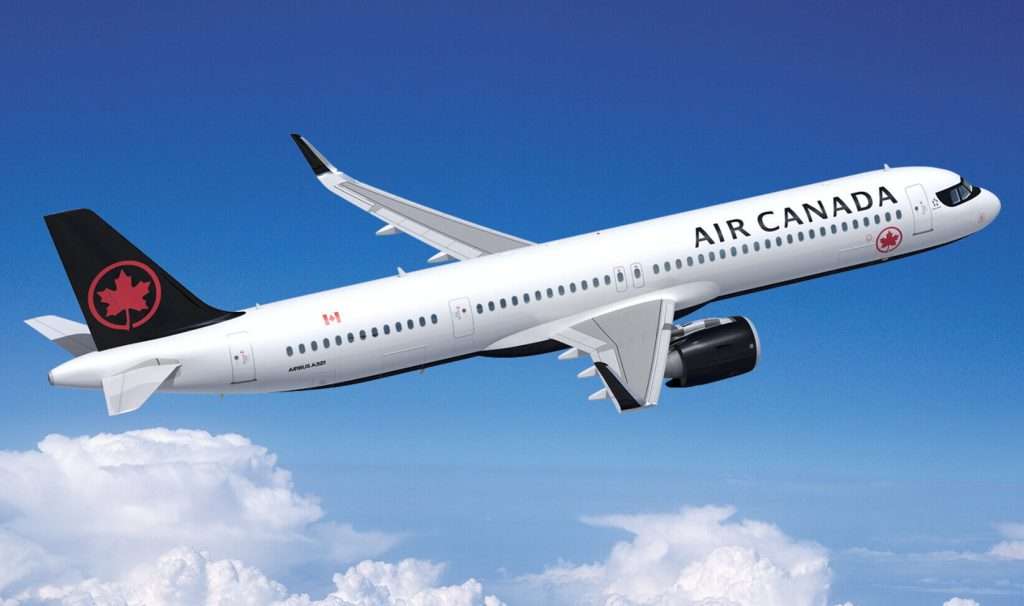
The A220s and A321XLRs are critical in serving medium-haul routes and thinner markets. These routes still require connectivity, but not to the extent of widebody planes.
These planes will be even more critical following Air Canada’s announcement that it would reposition its 737 fleet towards the leisure branding of Rogue moving forward. This will enable greater optimisation and a heavier reliance on planes such as the XLR.
Looking At The Future Network
Air Canada’s network expansion strategy involves leveraging its Toronto, Montreal, and Vancouver hubs to connect Canada with international markets.
The airline aims to capture a larger share of traffic where passengers transit through Canadian airports en route to other global destinations.
According to the airline’s latest estimates, this market is projected to contribute $900 million in additional revenue. It will help grow Canada as an end destination and a fantastic bridge.
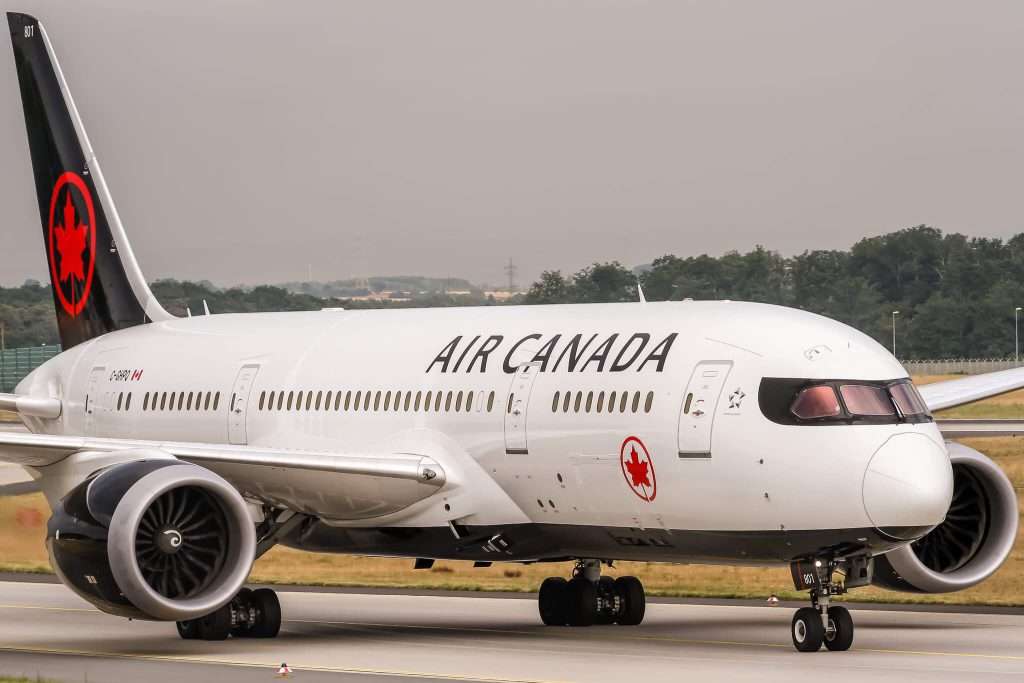
With the introduction of ultra-long-range aircraft like the A321XLR, Air Canada is poised to serve new direct routes to high-growth regions, including Asia, Europe, and South America.
These aircraft enable the airline to target underserved or emerging markets. This should strengthen the global market and allow the airline to compete with airlines looking to offer something similar.
Other investments are expected to align with new routes with fresh cabins and much more to elevate standards. However, it’s a long road ahead before all the rewards can be seen, and it’s not guaranteed.

ABOUT THE AUTHOR
Daniel Fowkes is a Melbourne-based aviation analyst and journalist with over a decade of industry experience. As founder of Dj’s Aviation, he delivers trusted analysis on aircraft, airline strategy and global aviation trends for djsaviation.net
Related Articles




Stay Informed
Get the latest aviation news, analysis and route updates delivered to your inbox.
We respect your privacy. Unsubscribe at any time.
Enjoyed this story?
Make us your go-to for aviation news
Add us as a preferred source on Google and see our latest stories first in Top Stories.
Add Us On Your News FeedRelated articles
· Airlines
Allegiant Air Buys Six More 737-8s From Boeing
Daniel Fowkes
26/10/2026
· Airlines
Emirates vs Qatar Airways: The Gulf Superhub Rivalry Compared
Bryan Shelmon
26/10/2026
· Airlines
Riyadh Air Is Moving Away From Riyadh
Daniel Fowkes
26/10/2026
· Airlines
Emirates Isn’t Worried At All
Daniel Fowkes
25/10/2026