

Emirates once put forward interest in acquiring Etihad Airways in a prospective move that would’ve looked to redefine the aviation industry forever.
While not eventuating then, the prospects sparked considerable intrigue and hypothetical over what this interest could’ve done for the two companies moving forward.
After all, these were two flagship carriers in the United Arab Emirates and served as two major global companies with highly recognised branding and expansive route networks.
While the deal never materialised, exploring its premise, possible outcomes, and eventual failure offers the opportunity to understand better.
The Emirates & Etihad Airways Deal
The premise of the purchase by Emirates of Etihad Airways is important to understand. By the mid-2010s, Etihad Airways found itself in a financial position far from ideal.
Its ambitious strategy involved investments in struggling carriers like Alitalia, Air Berlin, and Jet Airways, which had all backfired by the decade’s end.
Instead of securing partnerships to strengthen Etihad’s global presence, these investments became significant liabilities as the relative airlines they invested in either were struggling or collapsed.
Compounding this was Etihad’s large order book for aircraft. While, in theory, these next-generation aircraft would help redefine the business moving forward, it ultimately had the opposite impact. The airline couldn’t justify the purchases.
In stark contrast, Emirates had not experienced any of these issues and was able to solidify its position as a powerhouse in the industry with the hub and spoke model from Dubai.
Emirates could leverage its large aircraft fleet, which includes all widebodies, to serve destinations worldwide. Moreover, it was aided by financial stability, which made it an attractive option to help at the time struggling Etihad Airways.
Speculation about a potential acquisition or merger emerged to consolidate resources, reduce redundancies, and streamline operations between Dubai and Abu Dhabi.
Bloomberg heavily reported that Emiraates’ pursuit was seen as a last-ditch effort for another company that seemingly had little chance of surviving the unforgiving industry that had seen its losses grow.
But What Could’ve Happened?
A merger or acquisition of Etihad by Emirates would have created a major airline, similar to what is currently occurring between the two South Korean carriers, Korean Air and Asiana Airlines.
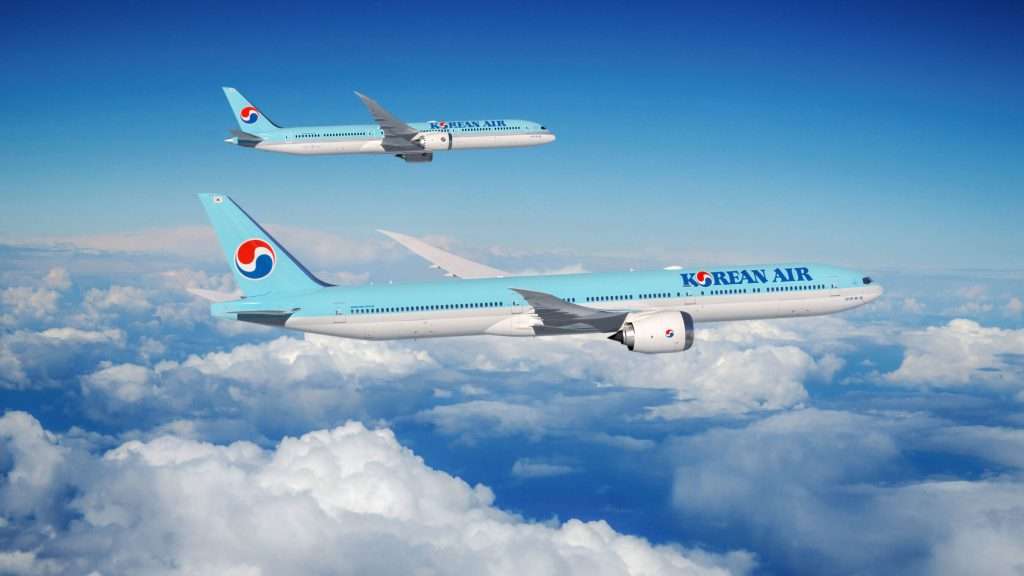
All this would’ve been highlighted by creating the world’s largest airline measured by available seat kilometres (ASKs). However, getting all this in working order would’ve been no easy task and presented many challenges.
Firstly, the airlines’ Dubai and Abu Dhabi hubs presented complications since the cities are geographically close, and consolidating operations would have required decisions about which hub to prioritise.
Given Emirates’ reliance on Dubai’s vast network and infrastructure, Abu Dhabi’s prominence as a hub would likely have diminished, especially with Emirates taking on Etihad Airways.
However, if this is the approach that would’ve been taken, it would have complicated relations with stakeholders in Abu Dhabi, especially considering Etihad’s symbolic nature here.
Secondly, there would have been an overlap in their route networks. Both airlines serve key long-haul markets right around the world. Therefore, merging operations would have necessitated route optimization efforts.
As a result, the isolation of specific customers and frequent connections could’ve occurred. Typically, when mergers occur, airlines will look to either consolidate to compete with larger airlines or because they believe the company they’re purchasing has something in their business that could be used.
While Emirates could’ve seen the struggling Etihad as a project to rebuild and truly own the Middle Eastern space is one thing, executing this would’ve presented another challenge.
Combining their fleets, though similar in composition, would have presented operational challenges but, to an ever so certain extent, opportunities as well. Both carriers relied heavily on the Airbus A380 and even the Boeing 777.
However, Etihad’s fleet composition has arguably been more relaxed than Emirates’ recently. These consolidation considerations translate to all other available assets, including factors such as crew.
The Merger Impact On Competitor Airlines
The ripple effects of such a transaction would have been felt across the aviation industry. Competitors like Qatar Airways, Turkish Airlines, and European legacy carriers would have undoubtedly felt the effects as even smaller nearby Middle Eastern carriers.
In particular, Qatar Airways was a key talking point and remains a major competitor of the two in-focus airlines. Most consider the Doha-based carrier the third airline that makes up the big three in this market.
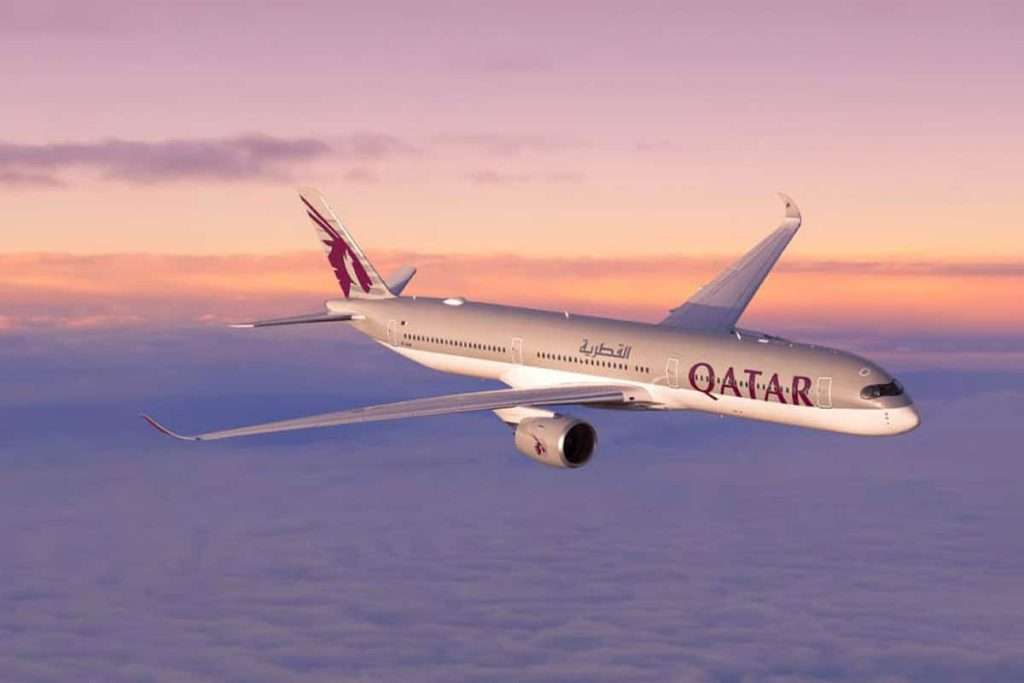
Had Emirates and Etihad progressed, this company would’ve needed to rethink its strategy to protect its market share and find ways to continue growing.
Likewise, European airlines, already wary of the Gulf carriers’ expansion, would have likely pushed for tighter regulatory scrutiny to mitigate the impact of a merged powerhouse.
Those very regulatory hurdles are worth discussing. These can be some of the biggest roadblocks in seeing consolidation efforts get the formal approval necessary to move towards the next step.
The Regulatory Challenges
Consolidating two major Middle Eastern carriers would not have been easy to see approved. It may have resulted in competitor watchdogs expressing their concerns in markets where both airlines held substantial market shares.
This could range from North America to Asia and even Australia. These watchdogs are essential as they play a fundamental role in understanding whether iniaitives being undertaken by businesses will hurt consumers and competitors.
Airline consolidation efforts always remain a big focal point for these watchdogs because of the fear that such progression will result in possible such as India, Australia, and Europe. Regulators might have hesitated to approve such a deal, fearing reduced competition and higher fares.
Additionally, the political dynamics within the UAE might have complicated the process. As national symbols, both Emirates and Etihad have been integral to promoting Dubai and Abu Dhabi, respectively.
Why The Airline Merger Never Happened
Despite its potential advantages, the Emirates-Etihad merger ultimately never came to fruition. The reasons are extensive but, with hindsight, make sense.
For one, while Emirates saw potential in Etihad Airways, especially as it struggled financially, there were obvious risks associated with taking on the burden at the time.
Moreover, there was no guarantee, despite Emirates’ backing, that it would be able to turn around the fortunes of the fellow Middle Eastern carrier.
Additionally, the regulatory hurdles posed obstacles that likely wouldn’t have been worthwhile the time and patience required. Finding a means to align the two carriers from a network, branding, culture, and other standpoints would’ve been challenging.
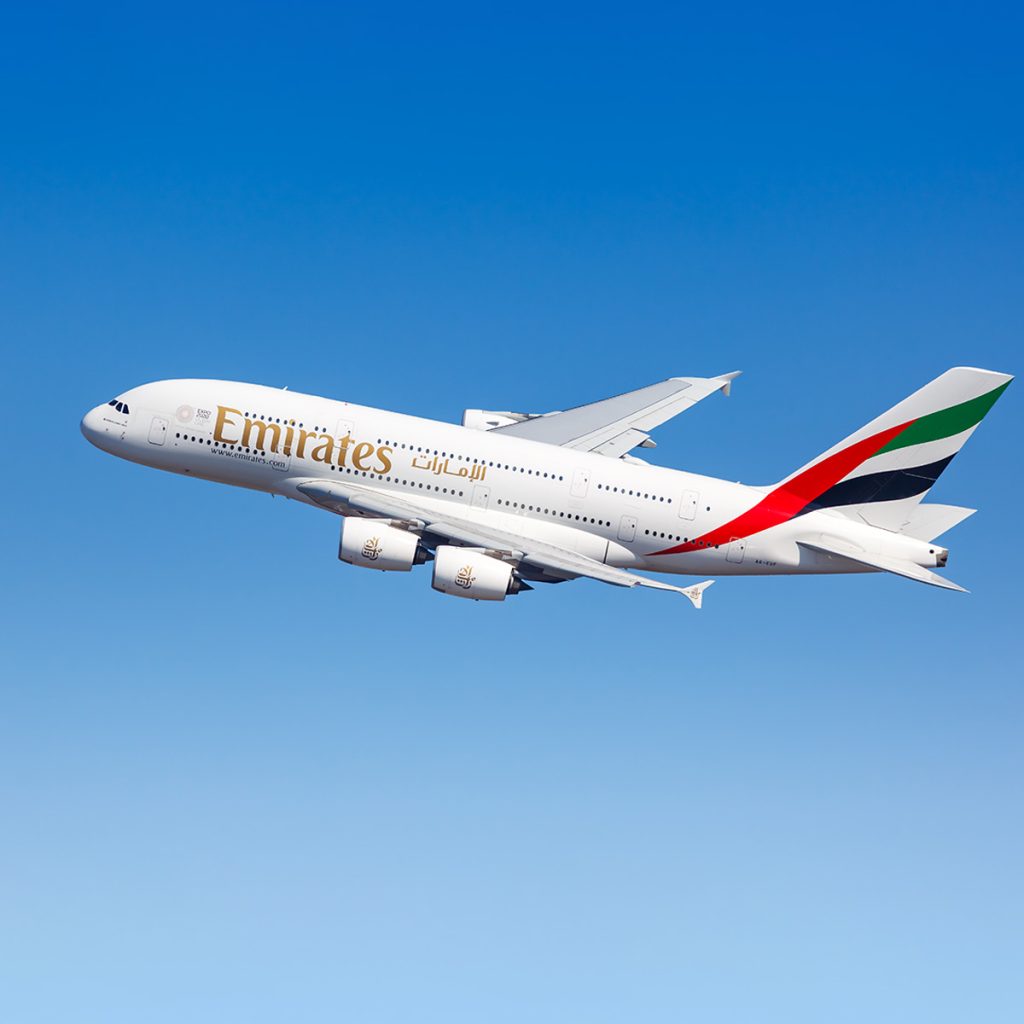
However, as confirmed by the executives at Emirates, Etihad Airways recovered and became stable as its own business. At this point, Emirates felt no need to purchase the airline.
It is firmly believed that they, as a pair, could find other ways to collaborate, which they have done with time. This collaborative effort has not ultimately resulted in a purchase and thus has had far easier approval processing.
To Conclude
The prospect of Emirates acquiring Etihad Airways, while at one point did have some backing, never eventuated. However, if such a deal had progressed, it would’ve had a profound impact.
From the finances, operational factors, and even down to competitors, creating an even mega airline would’ve ensued, if the required regulatory approval had come through.

ABOUT THE AUTHOR
Daniel Fowkes is a Melbourne-based aviation analyst and journalist with over a decade of industry experience. As founder of Dj’s Aviation, he delivers trusted analysis on aircraft, airline strategy and global aviation trends for djsaviation.net
Leave a Reply
Related Articles




Stay Informed
Get the latest aviation news, analysis and route updates delivered to your inbox.
We respect your privacy. Unsubscribe at any time.
Enjoyed this story?
Make us your go-to for aviation news
Add us as a preferred source on Google and see our latest stories first in Top Stories.
Add Us On Your News FeedRelated articles
· Airlines
Allegiant Air Buys Six More 737-8s From Boeing
Daniel Fowkes
26/10/2026
· Airlines
Emirates vs Qatar Airways: The Gulf Superhub Rivalry Compared
Bryan Shelmon
26/10/2026
· Airlines
Riyadh Air Is Moving Away From Riyadh
Daniel Fowkes
26/10/2026
· Airlines
Emirates Isn’t Worried At All
Daniel Fowkes
25/10/2026
they will acquire more traffic rights particularly from india by bribing officials
and will operate to more gateways in india which will ultimately erode the
revenues of the indian domestic carriers on domestic portion
india will even grant them all kinds of freedoms 5th and 6th freedom
with anytype of equipment like 380 or 350 1000 and take all traffic beyond indian
cities to both west bound and east bound routes they will kill indian carriers
It will take years to approve and a lot “market restructure” from regulatory body. As we can see with Asiana Airways and Korea Air