
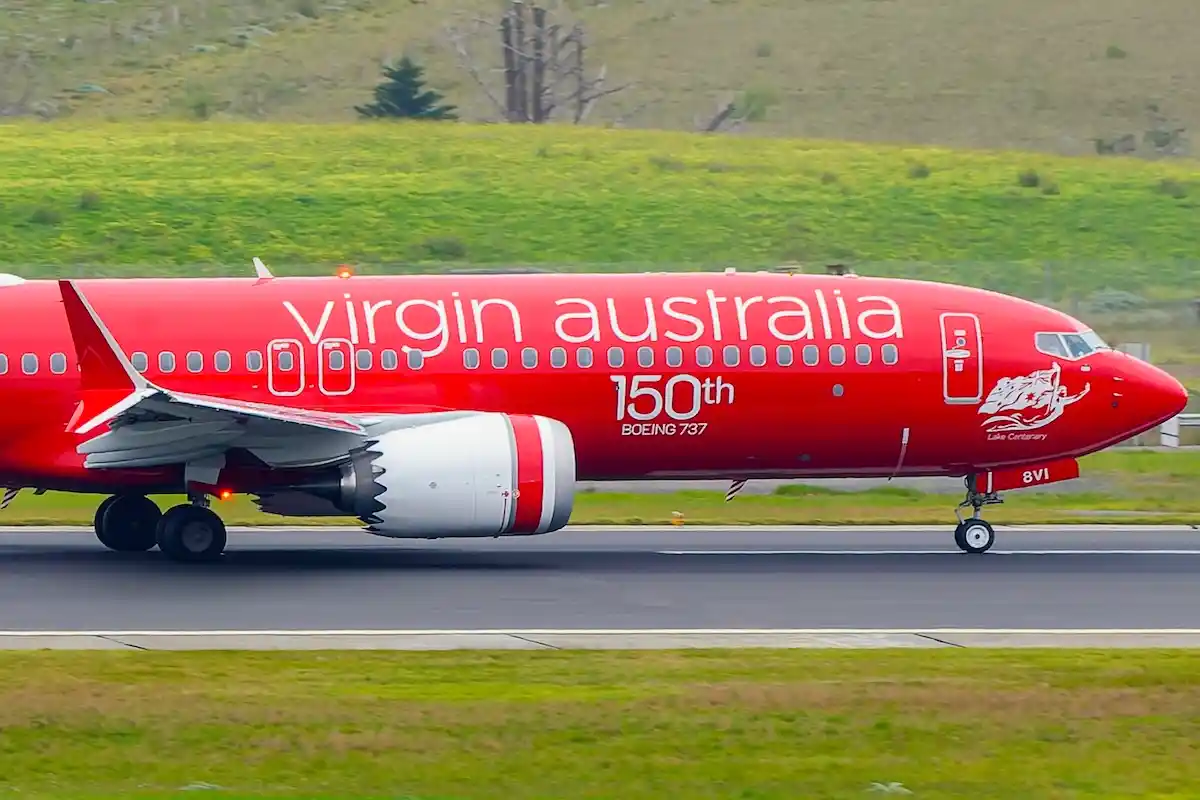
Virgin Australia plans to buy five Boeing 737-8 aircraft and two Embraer E190-E2s during FY27 as it extends the fleet renewal and lifts its owned fleet share to 39%.
The airline confirmed the purchases in its FY26 results announcement as part of its capital-allocation roadmap, following a year in which it added 17 aircraft to the fleet.
Five Boeing 737-8s Planned for FY27
Virgin Australia forecasts total capital expenditure of AUD 900 million to AUD 1 billion in its FY26 results, including the purchase of five Boeing 737-8s and two Embraer E190-E2s.
The Australian carrier says the purchases will lift the owned component of its fleet to 39%, a vital percentage as it moves towards a greater reliance on owned aircraft after a traditionally more leasing-reliant fleet.
The fleet totalled 108 aircraft as of 30 June 2026 and the close of FY26; that figure excluded the three Airbus A320s held for return and eight domestic wet-lease aircraft. The owned fleet mix, however, will remain a focus in FY27 as it brings seven additional aircraft onto its balance sheet.
By 30 June 2027, Virgin Australia expects to have 110 aircraft in the fleet; that excludes wet-leased capacity and marks a modest fleet increase, but aligns with broader strategies to be disciplined with growth and finances.
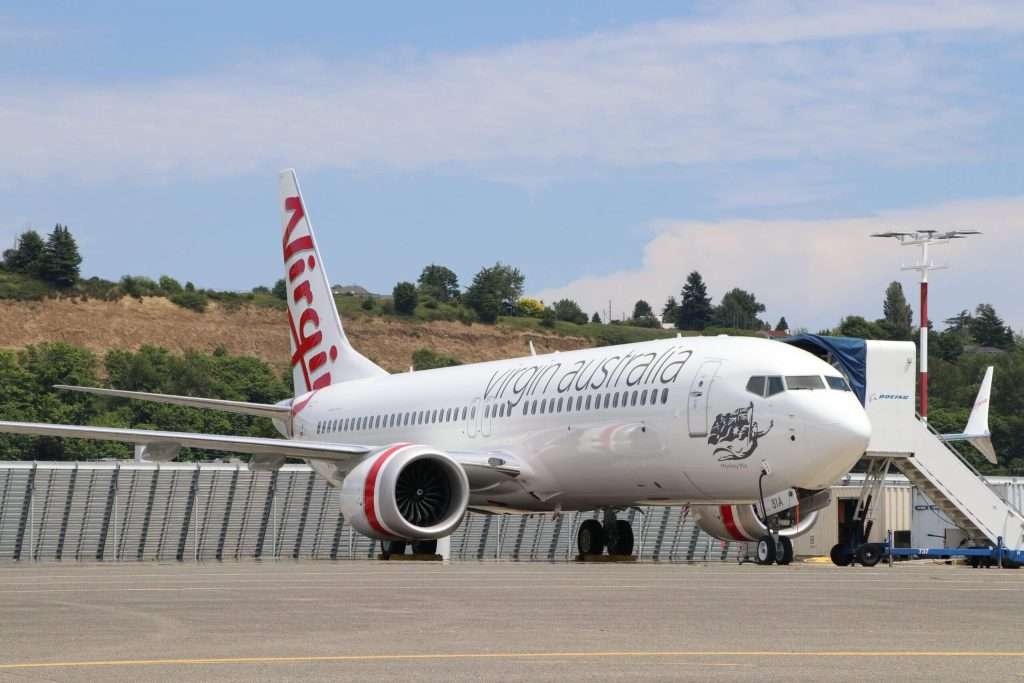
The Boeing 737-8 specifically marks the next generation of the airline’s fleet strategy, with 21 in the fleet at the end of FY26, up significantly with 13 deliveries in the 12 months, supporting the airline’s fleet renewal alongside the older 737-800s.
For the moment, the Boeing 737-8s being delivered will continue to operate for Virgin Australia alongside the existing 737NG fleet, with the type operating domestic trunk routes and short-haul international services until the NGs begin being phased out, once the Australian carrier is comfortable with its fleet mix.
Why Virgin Australia Is Buying 737s
Virgin Australia has historically relied more heavily on leases to operate its aircraft, so the approach is not unprecedented, although airlines may favour outright ownership when financially able.
Buying aircraft rather than leasing gives airlines more flexibility and long-term control over deployment and value as the aircraft age. However, it also adds risk through the implications of outright ownership.
In Virgin Australia’s case, buying more next-generation 737-8s early in their operational life can reduce dependence on lessors for decades. While the airline flags the higher capital expenditure, it can be beneficial if executed correctly.
The planned purchase is supported by an improved balance sheet, with net debt at the end of FY26 of AUD 1.2 billion, including capitalised lease liabilities. The figures were below the stated target leverage range, and the company held AUD 1.8 billion in cash, term deposits, and cash equivalents, leaving AUD 1.6 billion in liquidity available.
During FY26, the company generated AUD 1.3 billion in operating cash flow, and capital expenditures reached AUD 884 million, reflecting ongoing fleet-renewal investment and debt-financed aircraft purchases. Despite adversity, the airline has continued to push forward with its outlined renewal and growth targets, albeit now more conservatively.

ABOUT THE AUTHOR
Daniel Fowkes is a Melbourne-based aviation analyst and journalist with over a decade of industry experience. As founder of Dj’s Aviation, he delivers trusted analysis on aircraft, airline strategy and global aviation trends for djsaviation.net
Related Articles




Stay Informed
Get the latest aviation news, analysis and route updates delivered to your inbox.
We respect your privacy. Unsubscribe at any time.
Enjoyed this story?
Make us your go-to for aviation news
Add us as a preferred source on Google and see our latest stories first in Top Stories.
Add Us On Your News Feed