
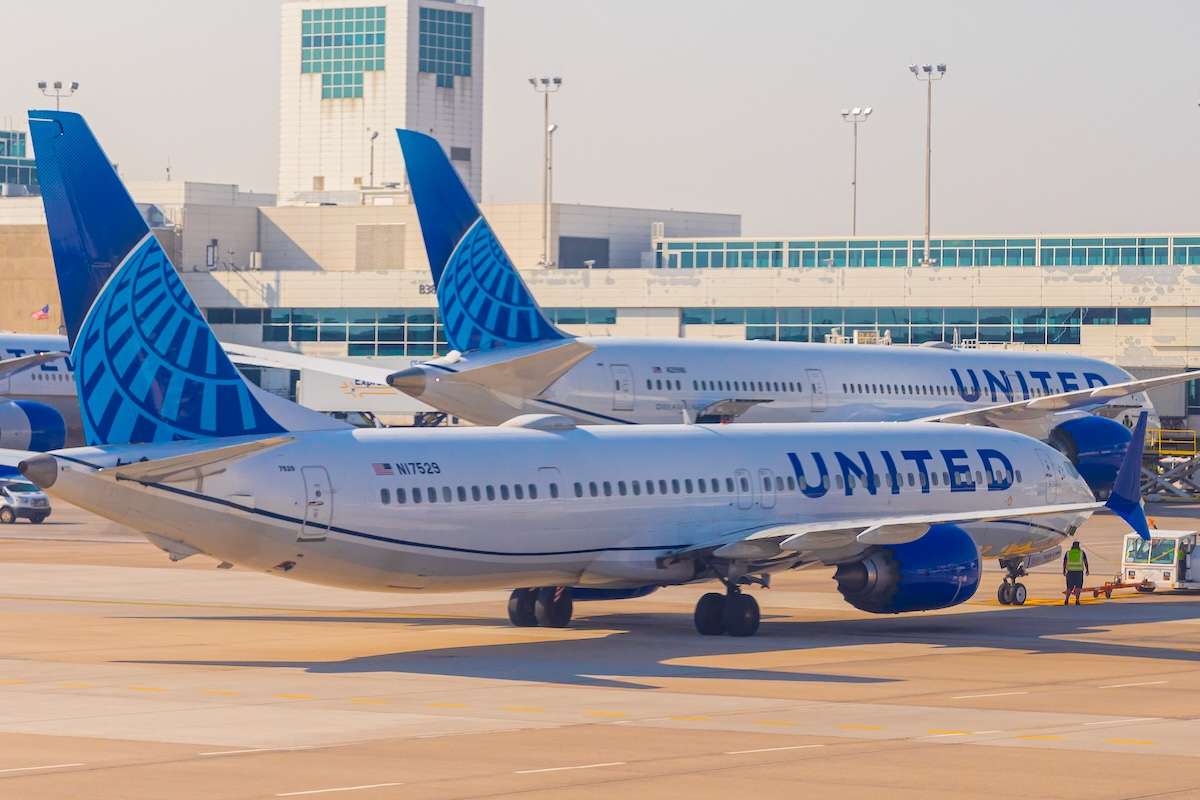
United Airlines CEO Scott Kirby is downplaying talk of a possible megamerger in the United States after weeks of heavy reporting on his airline’s interest in it.
Now, Kirby says that further airline consolidation will not occur, especially after American Airlines’ public rejection of such an initiative, which created a ripple effect across the global industry.
A Bold Pitch Goes Public
In late April, the discussion of consolidation was headlined by Kirby’s acknowledgment, following reporting, that he had approached the White House and American Airlines about a possible merger between the two.
This would have been a move to create the world’s largest airline if it had been approved. A pitch that involved the idea of a combination that drives growth, not subtracting value but more so adding it, in what would be a win for the country and globe, the creation of a mega-airline that is beloved.
American Airlines, however, swiftly shut the door on this. In a mid-April statement, the airline said that it was not interested nor had it engaged with United Airlines concerning the possibility of a merger. That possibility was rejected on the grounds of competition and consumers who would face the negatives, making any possible pitch hard to get over the line, regardless.

In fresh comments reported by U.S. media, Kirby has now cooled that interest, saying that the public statements from American, alongside appetite across the U.S., mean that a consolidation push isn’t viewed as the best option at this stage, but that doesn’t mean forever.
But Why Did United Airlines Want American?
Typical mergers involve one airline acquiring a struggling competitor or seeking an opportunity to consolidate to grow market share, fend off competition, and expand into specific regions. However, in the case of United and American, it’s rare to see giants come together, though this was visible in the late 2010s with the speculated Emirates-Etihad merger that fell through.
The logic behind Kirby’s pursuit lies in what has been his view for quite some time. That logic is that the U.S. market has been struggling. It cannot sustain so many airlines, whether international, domestic or low-cost. As a result, change is required.
Certainly, and more specifically focusing on the global network, there needs to be a larger premium airline capable of competing with, more often than not, state-owned foreign airlines that, in his view, have been taking market share and expanding with support that these U.S. airlines cannot match.
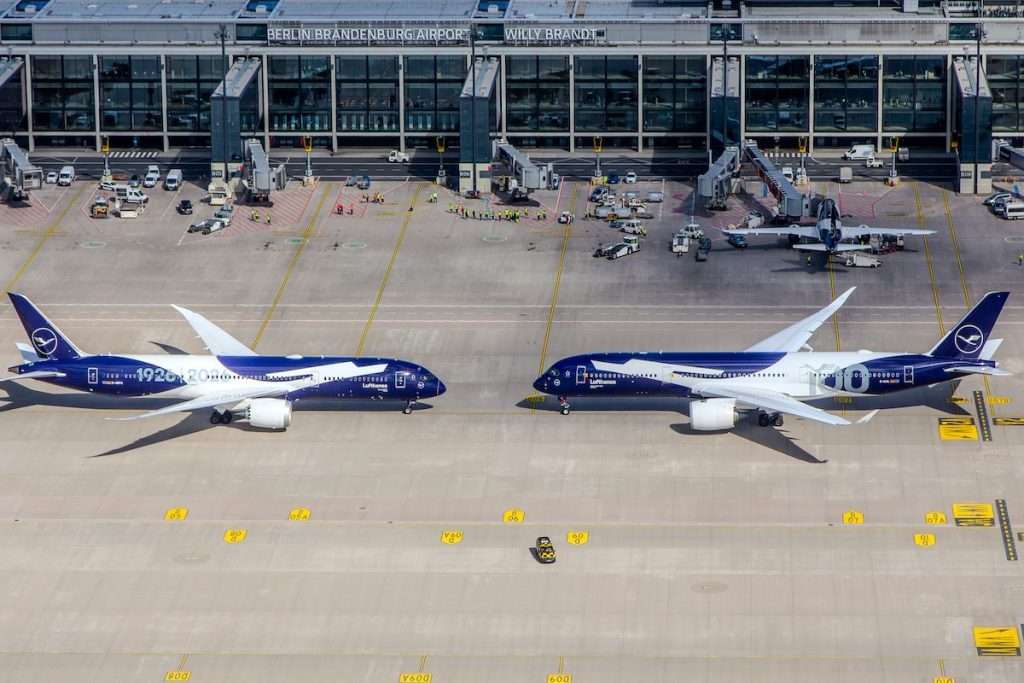
With this view, Kirby felt that a tie-up between United and American would’ve created a mega airline within the United States, finally capable of going toe-to-toe with Gulf carriers, those in China, and even groups in Europe such as Lufthansa, IAG, or Air France-KLM.
The timing of all these discussions ultimately also aligned with the sharp rise in jet fuel prices from the Iran war. As a consequence, and coupled with other rising operating costs, airlines have incurred billions in additional annual costs that, if left elevated, will put many at risk.
To support the industry, make sure it’s stable and can withstand what seems to be persistent economic volatility, a chance to combine with other airlines has often been touted as a possible means of future success, which is why Kirby has been so interested in whatever capacity works.
A Reality Check Somewhat?
For United Airlines, the problem has been many things, but certainly it’s that neither the regulators nor the counterparts the business is pursuing have the same confidence in Kirby as CEO.
American Airlines’ public rejection framed the idea not just as a bad idea for customers and competitors, but also as one directly tied to antitrust risks and to gaining approval without considerable tweaking, cost, and resources.
The prevailing view is that such deals would reduce competition and harm consumers by leading to higher fares and fewer choices. The larger airlines in the U.S. already control nearly 80% of capacity in the domestic market. Thus, a merger between the two would put intense pressure on existing and prospective airlines.
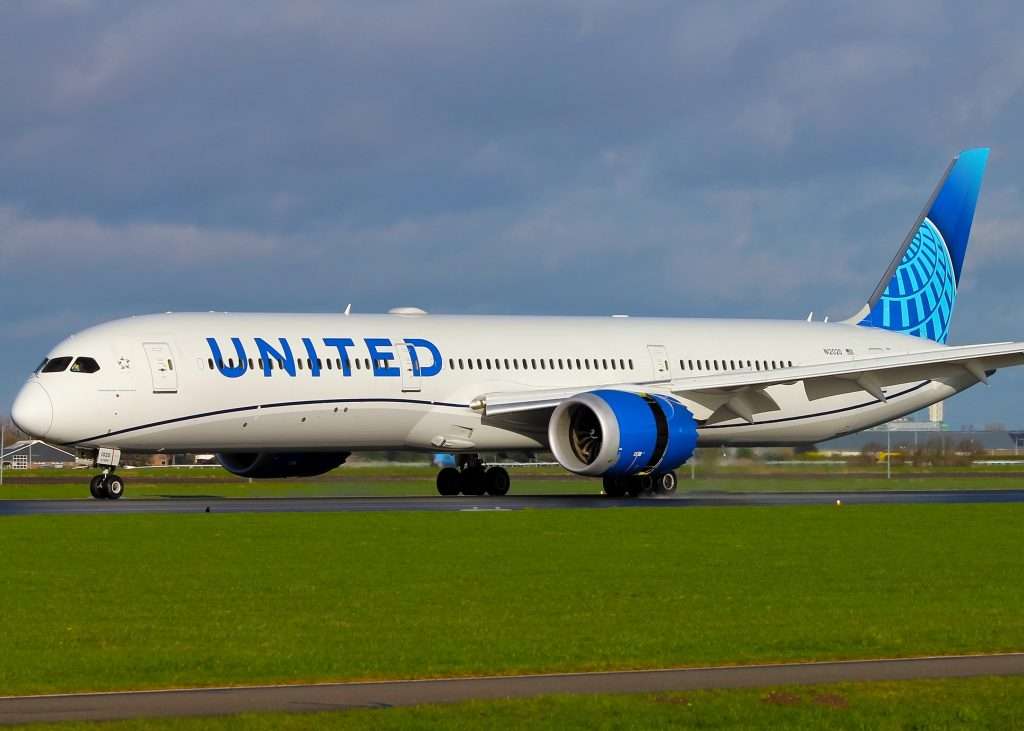
Additionally, beyond the regulators who are the final verdict-givers, the public and analysts have shared their views. Analysts often believe that a United-American combination, or anything similar, would never get over the line, even with heightened White House encouragement to consolidate.
A lot of the arguments are the same: the view that competition would be impacted, that legal challenges would mount, that prices would rise, and that the result would be the opposite of what Kirby has long been pushing for and has been rather confident of achieving until now.

ABOUT THE AUTHOR
Daniel Fowkes is a Melbourne-based aviation analyst and journalist with over a decade of industry experience. As founder of Dj’s Aviation, he delivers trusted analysis on aircraft, airline strategy and global aviation trends for djsaviation.net
Related Articles




Stay Informed
Get the latest aviation news, analysis and route updates delivered to your inbox.
We respect your privacy. Unsubscribe at any time.
Enjoyed this story?
Make us your go-to for aviation news
Add us as a preferred source on Google and see our latest stories first in Top Stories.
Add Us On Your News FeedRelated articles
· Airlines
Allegiant Air Buys Six More 737-8s From Boeing
Daniel Fowkes
26/10/2026
· Airlines
Emirates vs Qatar Airways: The Gulf Superhub Rivalry Compared
Bryan Shelmon
26/10/2026
· Airlines
Riyadh Air Is Moving Away From Riyadh
Daniel Fowkes
26/10/2026
· Airlines
Emirates Isn’t Worried At All
Daniel Fowkes
25/10/2026