
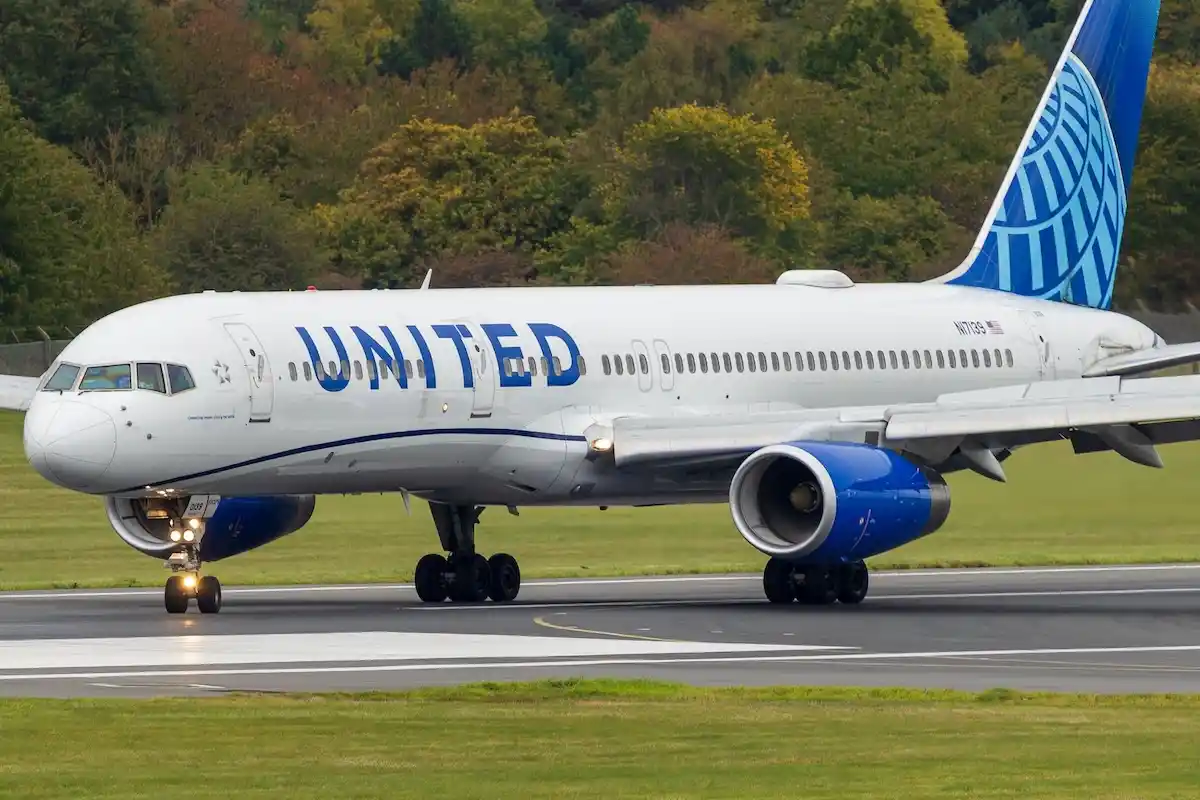
United Airlines isn’t happy with Airbus and Boeing, with its chief executive, Scott Kirby, accusing them of refusing to invest in new aircraft designs.
Speaking with John Collision and Ben Tompson on the Cheeky Pint podcast, one of the many podcasts that have appeared over the last week, Kirby argued that the two’s dominance and the duopoly leave airlines without sufficient choice.
Kirby is pushing planemakers and their development priorities, challenging them to work through the duopoly and the quiet agreement not to invest in new designs and instead to reverse course to be bold, ambitious and innovative.
Going as far as calling for a third manufacturer to challenge the established suppliers of Airbus and Boeing, it has since posed questions about the role of Embraer and COMAC as possible disruptors and the current duopoly that seems unbreakable.
United Airlines challenges Airbus and Boeing
Kirby said in his podcast interview that the fundamental problem with Airbus and Boeing is that their long-established history, while recognised, has created the clearest global duopoly and one that seemingly cannot be broken.
He also feels they have quietly, though not officially, agreed not to invest in new airframes right now. Kirby has been outspoken about his desire for innovation and to align closely with his airline’s pursuit of rapid expansion and a chance to set the tone for future decades in the United States.
Most publicly, Kirby expressed interest in a replacement for the Boeing 757, its iconic single-aisle workhorse, still pivotal today and for decades in serving markets with efficiency and strong capacity that separates it from widebodies and more standardised single-aisles like the 737 and A320.
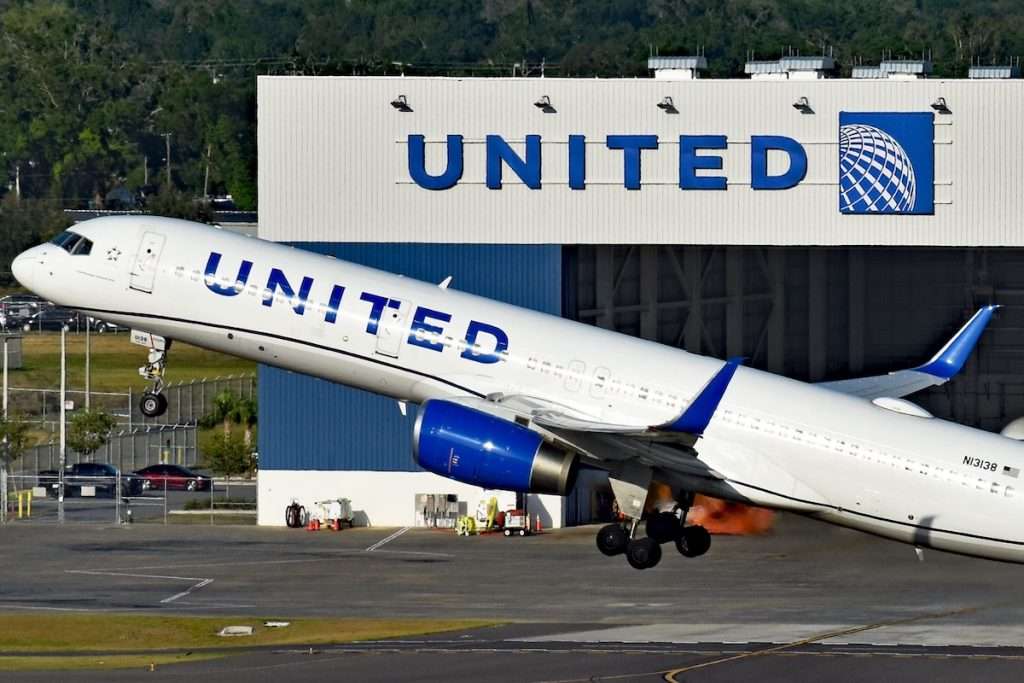
Kirby and United Airlines pushed hard for a 757 replacement, with him going as far as saying they begged for more than 20 years, not just from Boeing but also from Airbus, and there was never a result that came from this. Instead, it left a fleet problem that’ll never be fully solved.
United Airlines’ pursuit of a 757 replacement is similar to Delta Air Lines. This competitor also relies heavily on the 757 and 767 families and pursued a dedicated replacement for years, but similarly, they didn’t get the result they were looking for.
Kirby was blunt in his assessment, stating that there needs to be a third manufacturer, with his frustration boiling over at many failed attempts to push for innovation at planemakers and not getting the desired result, only to be feeling the effects on the network now without the intended outcome.
Airbus A321XLR front of the frustrations
United Airlines has bought heavily into the A321XLR; this jet launched in 2019 and was part of the business’s efforts to replace the Boeing 757-200 fleet when the realisation hit that neither planemaker was coming with a like-for-like replacement.
In 2019, United Airlines described the A321XLR as a like-for-like replacement for older aircraft that had been operating some of the more pivotal connections on its intercontinental network. Still, that feeling hasn’t held in the years that followed.
While the A321XLR’s economics and overall performance metrics suit United Airlines’ needs, Kirby ultimately feels his hands were tied after pursuing genuine innovation with no result.
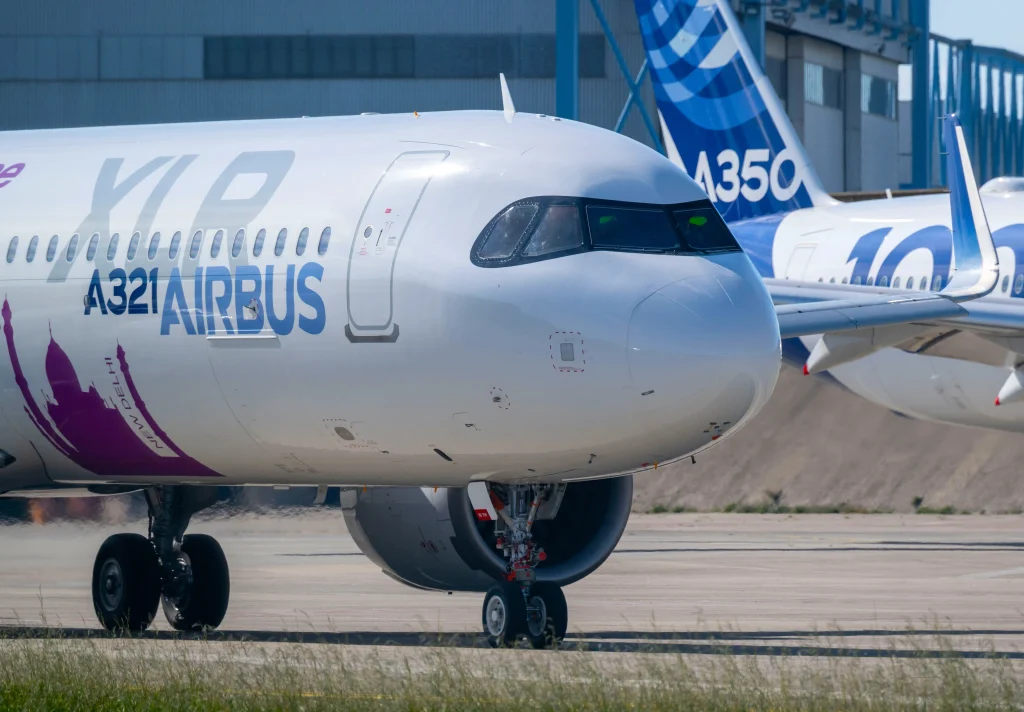
The A321XLR isn’t a clean sheet, and while innovation was another safe option for Airbus to extend a family and platform further, it would have ensured a smoother entry into service and regulatory clearance at a fraction of the cost.
The A321XLR does not satisfy every requirement United Airlines had when considering replacing the Boeing 757 or larger 767; as such, the jet was positioned as not the most suitable option, but rather the only option, and a deal had to be made.
Why are Airbus and Boeing being so slow?
Kirby’s accusations that Airbus and Boeing have mutually agreed not to proceed with new designs quietly can’t be supported, as neither has publicly confirmed it.
Airbus and Boeing are not only in the early stages of studies for their next single-aisle aircraft to replace the A320neo and 737 MAX, respectively, but also in feasibility studies for stretches on existing commercial families.
However, Kirby argues that while development is underway, the timing, technology, and overall investment are flawed. The technologies include more efficient engines, and while not locked down, open fan propulsion, folding wings, lighter materials and other power solutions are all being studied.
While Airbus has been better positioned to make the investments, Boeing, despite its financial concerns, has also begun work; per chief executive Kelly Ortberg, it has made it clear that it needed to strengthen its finances before truly committing to a new programme, as without strength it would crumble further.
As fleet development stretches further and further out, United Airlines is finding it harder to assess aircraft today and for the future, given the lead times and the lack of clarity on the next ten years. Manufacturers have their rationale for waiting and studying developing tech, but this has led Kirby to criticise the businesses.
A third manufacturer is something many would push for. While COMAC has aimed to become a disruptor with its C919 and future jets, its geographic positioning and certification woes, paired with ongoing safety concerns from the West, limit its scope.
Embraer, while well established in the regional space, hasn’t yet made the jump to truly disrupt Airbus and Boeing. While it has expressed interest, it remains limited to the supplier level, leaving the duopoly unaffected and able to move more slowly than airlines would like.

ABOUT THE AUTHOR
Daniel Fowkes is a Melbourne-based aviation analyst and journalist with over a decade of industry experience. As founder of Dj’s Aviation, he delivers trusted analysis on aircraft, airline strategy and global aviation trends for djsaviation.net
Related Articles




Stay Informed
Get the latest aviation news, analysis and route updates delivered to your inbox.
We respect your privacy. Unsubscribe at any time.
Enjoyed this story?
Make us your go-to for aviation news
Add us as a preferred source on Google and see our latest stories first in Top Stories.
Add Us On Your News Feed