
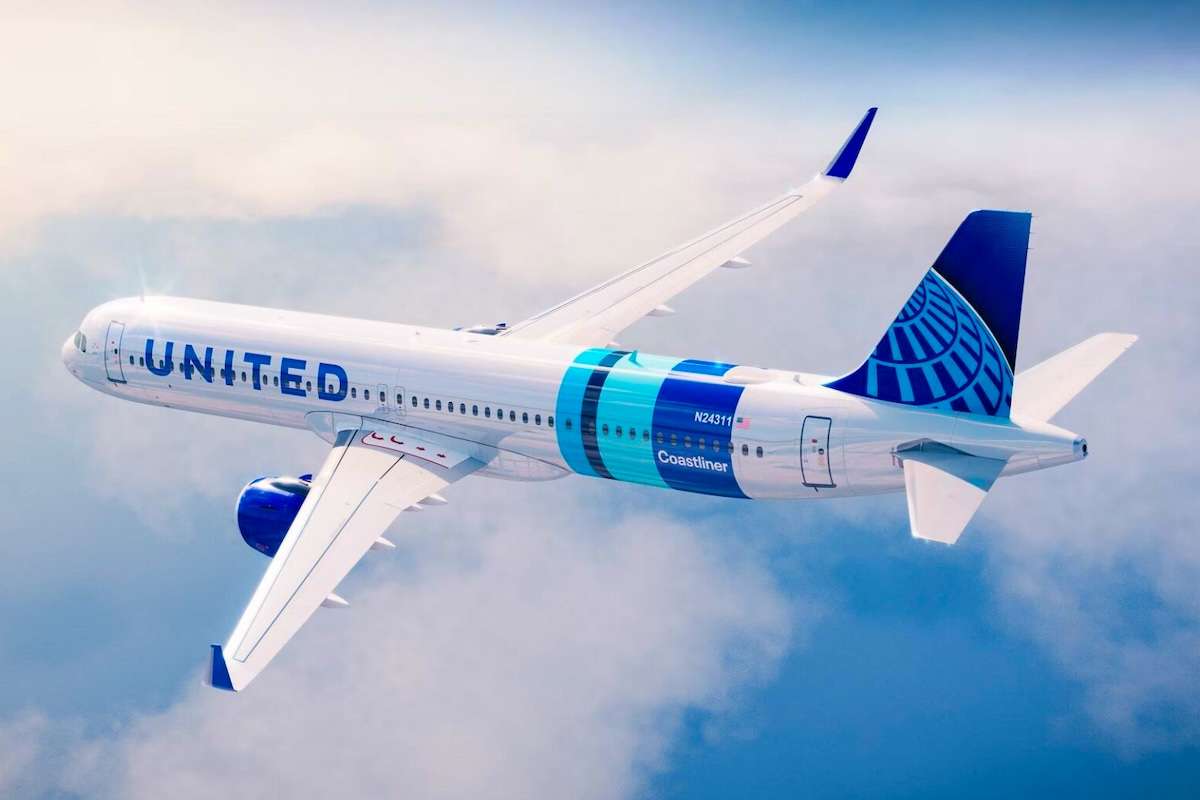
United Airlines is doing its brand new Airbus A321XLR fleet to do something different, an experiment in how it can stretch the single-aisle aircraft to innovate and evolve traditional flying.
As part of the experiment, not just visible in the range and capacity, United Airlines will take this one step further by creating a Eurobusiness-style product located in Economy that blocks certain middle seats and reduces the seat count.
Why The Blocked Middle Seat?
Business Insider, among other outlets, is reporting that United is ultimately planning to permanently block a small number of middle seats in economy across the A321XLR. These will turn the rows into a two-across seating with more elbow room and a larger shared tray table.
The concept is part of an evaluation of how to differentiate itself from competitors further, add value, and ensure it remains competitive and agile in an industry that is evolving and innovating, requiring airlines to respond and take the next game-changing step.
For United, the Eurobusiness-type product at the back of the plane serves multiple purposes for a jet with game-changing capabilities on the network. For United, they can monetise the desire for comfort and/or preferred options on longer flights while still using a single-aisle aircraft, which, for specific locations, will offer superior economics.
United Airlines, through this move, is also able to keep its certified seat count locked at 150, with the Federal Aviation Adminsitration requiring one flight attendant for each block of 50 passenger seats. Therefore, by capping the jet at 150, United can operate with one fewer cabin crew member.
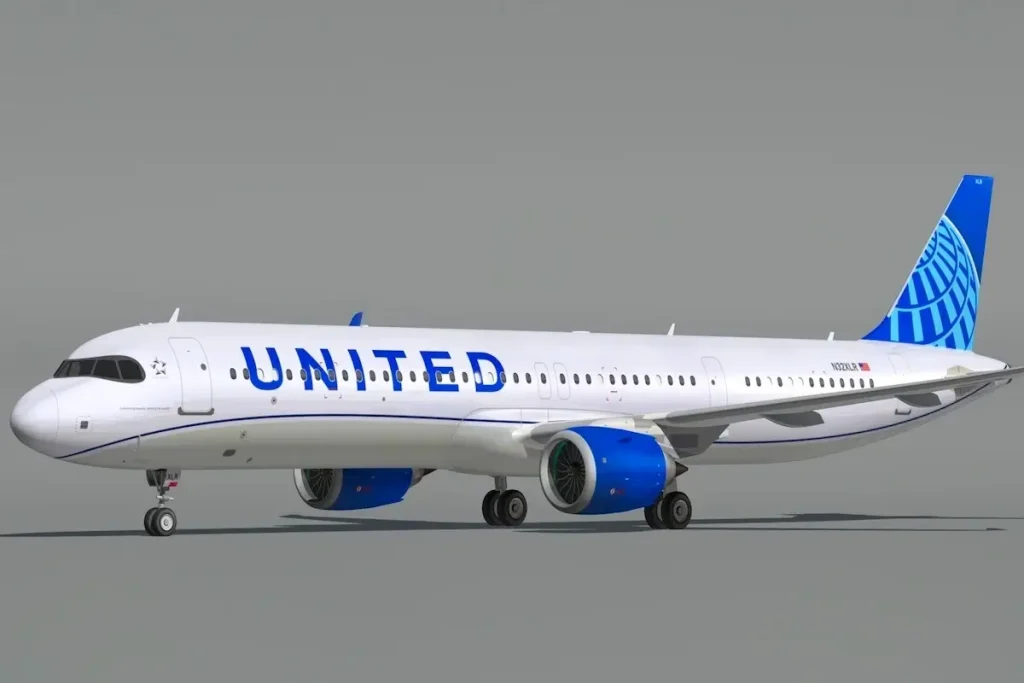
The airline has confirmed that the rows will not be present on the A321neo Coastliner subfleet; this jet has 161 seats and operates on more premium transcontinental routes, per a United spokesperson.
Over the thousands of long-haul flights on which this new initiative would be deployed, the belief is that the labour and weight savings would add up and further benefit margins beyond the efficiency improvements found on the jet.
How Is The Cabin Change Going To Work?
United Airlines, according to early indications, would use the blocked-middle-seat concept, with a table or console installed over the current seat, turning the row into a two-passenger layout with a wider surface for laptops, drinks, and snacks, preventing a third person from coming in.
The seat would be structurally blocked so that it would no longer count towards the aircraft’s maximum capacity while airborne. However, this wouldn’t mean the remaining seats would be different from the base economy seat; rather, it would just offer more space and a more private experience.
The rows would appear as a more comfortable Economy product, priced above the regular Economy seat for the additional space, and tailored to those travelling as a couple or solo travellers who don’t want to be squished between strangers for a six- to eight-hour journey and would prefer to guarantee an empty seat.
At United Airlines, this type of initiative, if executed, offers straightforward advantages, including the ability to introduce a new economy-class tier to generate additional revenue on 6-8-hour flights. Additionally, it’s another talking point for long-haul flying to help reduce the stigma around narrowbody flights over longer durations.
Ultimately, moves like these show that the A321XLR isn’t just any narrowbody; it’s an aircraft helping reshape the airline’s approach to single-aisle flying. The aircraft is allowing the business to experiment and find new ways to innovate without requiring hefty clearance for completely reshaping existing cabins to deliver strong margins in locations.
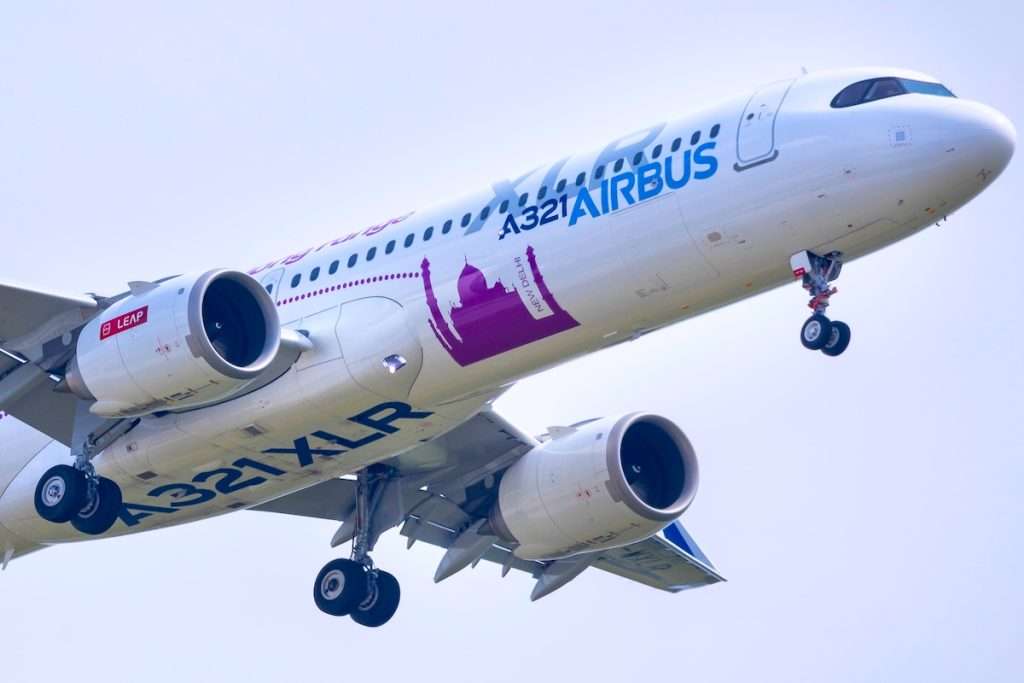
As more of the United Airlines A321XLRs are delivered and the jet begins deployment across its intended network, further details will be revealed, along with customer responses at launch and whether the extra space proves an attractive option.
Aside from customer response, United Airlines, while it already has a fair idea of the economics, will need to determine whether this is sustainable in the long term or only for certain jets. It’ll use metrics on existing services, while looking at competitors and more to understand how it can put its own twist on these narrowbody jets intended for long-haul usage.

ABOUT THE AUTHOR
Daniel Fowkes is a Melbourne-based aviation analyst and journalist with over a decade of industry experience. As founder of Dj’s Aviation, he delivers trusted analysis on aircraft, airline strategy and global aviation trends for djsaviation.net
Related Articles




Stay Informed
Get the latest aviation news, analysis and route updates delivered to your inbox.
We respect your privacy. Unsubscribe at any time.
Enjoyed this story?
Make us your go-to for aviation news
Add us as a preferred source on Google and see our latest stories first in Top Stories.
Add Us On Your News FeedRelated articles
· Airlines
Allegiant Air Buys Six More 737-8s From Boeing
Daniel Fowkes
26/10/2026
· Airlines
Emirates vs Qatar Airways: The Gulf Superhub Rivalry Compared
Bryan Shelmon
26/10/2026
· Airlines
Riyadh Air Is Moving Away From Riyadh
Daniel Fowkes
26/10/2026
· Airlines
Emirates Isn’t Worried At All
Daniel Fowkes
25/10/2026